
old fashioned jury box in a courtroom where jury research services will take place

What To Expect From Jury Research Services

Preparing for trial can feel overwhelming without the right support. Jury research services give attorneys reliable tools to test strategies, gauge reactions, and build stronger cases. By working with skilled consultants, legal teams gain clear direction on how jurors think, feel, and decide. Magna offers a wide range of jury research services that help attorneys move forward with confidence and clarity. See how these services work and why so many firms rely on them to improve trial outcomes.

How Jury Research Services Shape Case Strategy

Jury research services provide more than surveys or simple feedback. They combine scientific methods with practical experience to show what jurors find persuasive or unconvincing. This process helps attorneys adjust arguments, presentation styles, and witness preparation well before trial begins.

Magna offers Jury Confirm®, an online research platform that uses validated scoring to measure juror reactions. This tool delivers both qualitative feedback and quantitative data, so attorneys see exactly how mock jurors evaluate case themes and evidence. Consultants recruit a demographically balanced panel that mirrors your venue, then guide the group through structured presentations, questions, and surveys. This approach ensures attorneys leave with clear, reliable data, so they can move forward with a strong strategy.

Focus Groups and Mock Trials Offer Honest Feedback

in person jury focus group as part of jury research services

Traditional in-person focus groups and mock trials help attorneys see how jurors respond to a case long before trial begins. In focus groups, consultants guide structured discussions where participants review case themes, arguments, and evidence. These sessions take place in professional research facilities with observation rooms and recording capabilities. Attorneys and consultants can watch through a one-way mirror or video feed while participants share opinions and deliberate. Each focus group includes moderated feedback, written questionnaires, and detailed reports that highlight strengths and weaknesses.

Mock trials build on this process by simulating real courtroom conditions. Attorneys present opening statements, witness examinations, and closing arguments to a panel that reflects the actual jury pool. Jurors then deliberate and return a verdict. Magna records every moment so attorneys can review how jurors analyze the issues and weigh evidence. Consultants collect feedback, including verdicts, damage assessments, and explanations behind each decision.

These research methods give legal teams a clear, evidence-based picture of how jurors think and feel. Attorneys can refine their strategies, strengthen their presentations, and prepare with confidence for trial.

Jury Selection Consulting Improves Voir Dire

Selecting the right jury can shape the entire case outcome. Jury research services often include consulting support during voir dire to help attorneys spot biases and pick jurors who will view the case fairly. Magna’s consultants work closely with trial teams to develop tailored voir dire questions and create juror profiles based on public records, social media research, and pre-trial surveys. This preparation gives attorneys a clear sense of each juror’s background, opinions, and possible leanings.

During jury selection, consultants sit at the counsel table to provide real-time feedback and help attorneys read nonverbal cues and body language. Their experience makes it easier to recognize subtle signals that may reveal hidden biases or strong views. With this support, attorneys can use peremptory strikes and challenges confidently and seat a jury that offers the best chance for a fair verdict.

Shadow Juries Provide Ongoing Feedback During Trial

Shadow juries give trial teams daily insights while court is in session. Magna recruits people who closely match the actual jurors’ backgrounds and attitudes. These shadow jurors watch the trial live or by video and share their reactions with consultants. Consultants gather feedback on witnesses, arguments, and evidence, then deliver daily reports showing what works and what may need adjustment. Attorneys can fine-tune strategy in real time instead of waiting until deliberations end. Magna handles all recruiting, monitoring, and reporting so the team always stays informed.

Witness Preparation Builds Confidence and Credibility

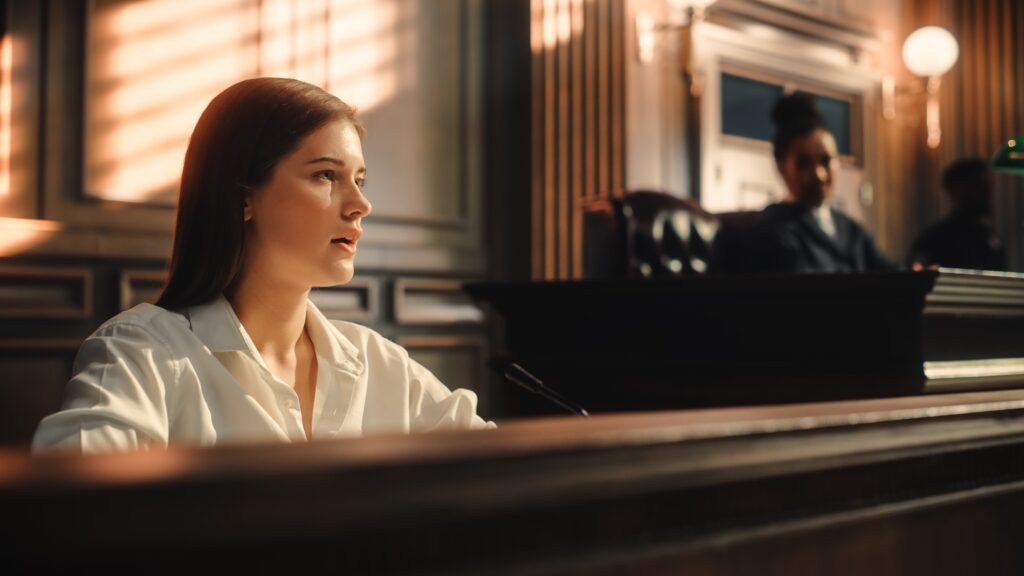
witness preparation during jury research services

Witnesses can strongly influence how jurors see a case. Magna’s witness preparation services, powered by CogentEdge, help people testify with clarity and confidence. Consultants work one-on-one with witnesses to improve communication skills, manage stress, and handle cross-examination calmly. Sessions cover tone of voice, body language, and how to stay composed under pressure. Witnesses also practice answering tough questions so they don’t get flustered or make statements that could damage credibility. This focused preparation helps ensure jurors see witnesses as trustworthy and professional.

Community Attitude Surveys Reveal Local Biases

Every community has its own beliefs and experiences that can impact a case. Magna’s community attitude and perception studies measure how people in a specific area view key issues, industries, or parties involved. Consultants use scientific surveys to gather reliable data about potential juror opinions and any strong biases that could affect a verdict. Attorneys receive clear reports outlining the community’s attitudes, so they can plan voir dire questions, adjust case themes, and prepare strategies that fit the local mindset. This research helps legal teams avoid surprises and build a stronger connection with the jury.

JuryScout Monitors Jurors’ Online Activity

Jurors’ online activity can influence their views and even violate court instructions. Magna’s JuryScout service tracks public social media profiles and online posts to help attorneys spot risks early. JuryScout monitors jurors before and during trial, looking for public comments, shares, or likes that reveal bias, misconduct, or outside research. Consultants collect and document all relevant activity in organized reports, making it easy for attorneys to respond if a juror’s behavior threatens a fair trial. This proactive monitoring helps protect the integrity of the proceeding and gives legal teams the information they need to address problems before they grow.

See the Difference Jury Research Services Can Make

Choosing the right jury research services can mean the difference between winning and losing. Magna combines proven tools with skilled consultants who care about your case as much as you do. Whether you need a focus group to test themes, a mock trial to forecast outcomes, or voir dire support to seat the best jury, Magna stands ready to help. Reach out today to learn how these services can give you the clarity and confidence you need in the courtroom.

Woman using social media app on her phone

The Necessity of Social Media Forensic Preservation in Litigation

Approximately of 79% of U.S. adults use at least one social media platform. That means evidence from Instagram, Facebook, TikTok, or LinkedIn can easily find its way into a legal dispute. But if that evidence disappears or gets altered, your case might collapse. Digital forensics preservation helps legal teams collect, secure, and analyze online data before it vanishes. Learn what digital forensics preservation is, why screenshots won’t hold up in court, and how to protect your case from spoliation risks and admissibility issues.

What Counts as Social Media Evidence?

Social media evidence includes far more than a post or photo. Lawyers and investigators often collect comments, messages, profile metadata, location tags, timestamps, Stories, and more. Both public and private content can become relevant, especially in personal injury, employment, family law, or defamation cases.

But the real value often hides in the background. Embedded metadata, such as when a post was made, where it was made from, and even which device was used, can help prove or disprove claims. That data disappears quickly and isn’t captured by a regular screenshot.

Screenshots Aren’t Enough

Screenshots are easy to fake. Anyone can alter the HTML code in their browser and take a screenshot that makes it looks real. That makes authentication a serious problem. To use online evidence in court, lawyers must show that the content is original and unchanged. This process, called authenticating social media evidence, relies on having a clean chain of custody, technical proof of originality, and sometimes expert testimony. Taking screenshots does not create a valid forensic record. Without forensic preservation tools, the evidence might get thrown out for being unreliable.

The Legal Duty to Preserve ESI

Once litigation is reasonably expected, parties have a legal duty to preserve evidence. That includes social media emails, messages, photos, and all forms of electronically stored information (ESI). But many people forget that their duty includes social platforms. Deleting a Facebook photo or deleting a damaging comment after a complaint is filed counts as spoliation. Courts take this seriously. Violating the duty to preserve evidence can lead to sanctions, financial penalties, and even case dismissal.

In Lester v. Allied Concrete, a man deleted Facebook photos at his attorney’s request. The judge sanctioned the plaintiff and his lawyer, costing them hundreds of thousands of dollars and harming their reputation.

What Happens When Evidence Is Spoiled

Spoliation happens when someone intentionally or carelessly destroys or changes relevant data after a duty to preserve it has started. That can mean deleting a post, account, or failing to collect something before it vanishes.

Spoliation often leads to:

  • Court sanctions
  • Adverse inference instructions (jury assumes the missing data was harmful)
  • Dismissal of claims or defenses
  • Loss of credibility
  • Professional malpractice claims

Once a demand letter, HR complaint, or internal investigation begins, legal teams should assume that the duty to preserve has kicked in.

Why Digital Forensics Preservation Matters

close up on man hand using tab pad on laptop Digital forensics preservation

Digital forensics preservation is the process of collecting and securing online data in a legally defensible way. Investigators use certified tools to save both what’s visible and the hidden metadata behind it. They also create hash values (digital fingerprints) that prove the data hasn’t been changed.

Magna LS uses trusted tools like X1 Social Discovery, PageVault, and Hunchly to collect online content. These tools capture what is seen on the user interface and the HTML source code, metadata, timestamps, and links. Then they lock the data down with cryptographic hash values and chain-of-custody logs. This makes it easier to meet court rules for admissibility of social media evidence.

An attorney or paralegal can’t just find a post and submit it. Courts require foundation or proof of how and when the evidence was collected. That’s why using a neutral third-party is smart. It protects the evidence and reduces risk for your legal team.

Going Beyond Collection: Full Analysis

Forensic preservation is the first step. What follows is just as important: the investigation. Magna’s social media investigators don’t just collect posts. They look at surrounding clues—time gaps, inconsistent photos, sudden account name changes, missing story highlights. These pieces help identify if something was altered or hidden.

In cases where the other side only provides a screenshot, investigators check for signs of tampering. They compare it to known posts, cross-check public activity, and scan related content to see what might be missing.

Challenges in Modern Social Media Collection

A woman's hands holding white coffee cup and mobile phone while using social media in modern loft cafe

Social platforms change constantly. Instagram Stories vanish after 24 hours. Posts can get deleted without warning. Some apps encrypt messages or throttle data access. That makes early forensic preservation even more important. Another growing issue is deepfakes and AI-generated content. A digital fingerprint alone isn’t enough. Investigators need to look at surrounding data, history, and technical cues to confirm what’s real.

For fast-disappearing content, investigators often keep automated capture sessions running every day. This way, nothing important slips through. Magna can also monitor certain profiles over time to build a full record.

How Lawyers and Clients Can Preserve Social Media Evidence

To protect online evidence and build strong cases, legal teams should:

  • Act quickly: Social media content can disappear in seconds.
  • Use certified tools: Don’t rely on screenshots or manual saves.
  • Keep a clean chain of custody: Document who collected the data, when, and how.
  • Educate employees and clients: Everyone should understand their duty to preserve ESI.
  • Budget early: Digital forensics preservation is far cheaper than dealing with spoliation penalties.

If you’re unsure whether you need to preserve something, collect it now and ask questions later.

A Smart Move Now Saves You Later. Contact Magna LS.

If you’re dealing with online evidence, you can’t afford to cut corners. Screenshots won’t hold up. Deleted posts won’t come back. And courts won’t be lenient if social media spoliation ruins your case. Digital forensics preservation gives you the tools and protection to do things right. Magna’s experienced team uses industry-trusted software, proven workflows, and sound legal strategy to make sure every piece of data stands up in court.

Need help preserving social media evidence the right way? Contact Magna’s expert investigators to schedule a consultation. We’ll secure your digital evidence and document every step.

sign on a wooden door that says jury room

How to Avoid a Biased Jury

A biased jury can destroy months of case preparation. All it takes is one juror with a strong opinion or personal experience that they keep hidden during voir dire. Bias doesn’t always show up in obvious ways either. It can hide in tone, silence, or even in a glance exchanged between jurors. Trial attorneys know they need to act fast to spot it and even faster to remove it. But how exactly can you reduce the risk of a biased jury before the trial begins?

Start with Strong Jury Research Before Voir Dire

Waiting until voir dire to think about juror bias is too late. Attorneys need to understand the local jury pool long before they step into the courtroom. One of the best ways to do this is through large-scale community attitude studies. These surveys uncover how people in the trial area feel about certain industries, issues, or even parties.

You can learn which types of jurors tend to favor the plaintiff or defense. Once you have that profile, you can start preparing questions and strike strategies with a clear focus. Without this research, attorneys may rely too much on instinct. But instinct can’t compete with tested data showing what jurors actually believe and how those beliefs connect to verdict outcomes.

Ask the Right Voir Dire Questions

Voir dire gives attorneys a small window to identify potential bias. You can’t waste that time with vague or standard questions. Instead, ask questions that reveal not just what a juror thinks but why they think that way. Attorneys should also avoid yes-or-no questions that make it easy for jurors to hide bias. Open-ended questions help uncover opinions that may affect how a juror sees the case, even if they try to appear neutral.

Use Supplemental Juror Questionnaires Wisely

Written questionnaires can give you honest answers that jurors might hesitate to say out loud. They also help speed up voir dire by narrowing down who needs more follow-up. But not all questionnaires work the same. The wording must be specific and focused. Generic or vague language won’t give you the clarity you need to spot potential bias.

Carefully designed questionnaires let you go deeper on key issues before voir dire even starts. You can filter out jurors who might bring strong emotions or beliefs into the courtroom without saying a word during jury selection. This early insight can guide your strike decisions more effectively.

Use Mock Trials To Identify Potentials For Bias

Mock trials show how different jurors react to case facts, arguments, and witnesses. These reactions can highlight which types of jurors are more likely to show bias. Some may distrust certain types of evidence. Others may strongly support one side based on personal experience. By tracking how different juror profiles respond during mock trials, you build a roadmap. This helps you predict who will lean pro-plaintiff or pro-defense in your real jury. It also helps you refine your voir dire strategy. You’ll know what topics to push, what to avoid, and which answers should raise red flags.

Mock trials also reveal group dynamics. You may find that a single biased juror can sway others during deliberation. That kind of juror becomes especially dangerous. Spotting them early and striking them from the panel can make the difference between winning and losing.

Create Juror Profiles That Predict Verdict Risk

Juror profiles connect dots between beliefs, experiences, and likely verdict leanings. These profiles are not just based on one question or answer. They are built from patterns found through surveys, mock trials, and statistical analysis. With this information, attorneys can spot dangerous jurors faster. You’re not guessing based on how someone looks or sounds. You’re using tested data to build your strike list with confidence.

Ask Smarter, Strike Smarter

The jury you seat will control the fate of your case. If even one biased juror gets through, your evidence and arguments may be in jeopardy. Don’t let that happen. Bias is real, and it can be hard to spot without the right tools. But with strong pre-trial research, smarter voir dire questions, and strategic profiling, you can take control. Biased juries don’t just happen by chance. They happen when attorneys walk into jury selection blind. You don’t have to.

Strike Bias Before It Strikes Your Case

Magna Legal Services helps attorneys identify and remove biased jurors before trial even begins. Our team runs large-scale community attitude studies, mock trials, and statistical juror profiling. We use real data, not guesswork, to find the jurors most likely to hurt your case. Then we help you craft the questions and strategies you need to strike them during voir dire. If you’re preparing for trial and worried about jury bias, we’re ready to help you fight it before it ever reaches the courtroom. Contact us today. 

lawyer talking to room of jurors during a mock trial

Find Out What Jurors Will Think With A Mock Trial

Attorneys spend months preparing their case, but once trial begins, everything depends on how jurors respond. Jury selection plays a major role in this. Finding out who might support or oppose your case before it ever reaches court can make a difference. One of the most reliable ways to do this is through a mock trial.

What Is a Mock Trial?

Mock trials give attorneys a chance to test their case in a controlled setting before it reaches a real courtroom. They present arguments to a group of people who reflect the makeup of the actual jury pool. The goal isn’t to win. It’s to understand how jurors respond, what influences their thinking, and which arguments stick.

These sessions mirror real trials but allow more flexibility. Lawyers can try out different strategies, adjust their approach mid-presentation, and ask questions throughout. Most mock trials end with jury deliberations, which reveal how jurors process the evidence together and where confusion or disagreement starts. This feedback shapes everything from voir dire to closing arguments. It also helps attorneys recognize which types of jurors are likely to favor or resist their case.

Why Attorneys Use Mock Trials

Attorneys use mock trials to find out what works and what doesn’t before the real trial starts. Every trial has strengths and weak points. A mock jury will help show where jurors lose interest or stop believing a witness.

Lawyers also use mock trials to practice the rhythm and timing of their presentation. It’s one thing to plan a strong opening; it’s another to see how it lands with a jury that doesn’t know the case. Sometimes a key detail needs to be explained more clearly. Other times, jurors make up their minds early and stop listening. That kind of reaction is hard to predict without testing it first.

Mock trials also help attorneys recognize what kind of jurors they want. If certain backgrounds or attitudes tend to support one side, the legal team can tailor voir dire to find them or avoid them. That’s not guesswork. It’s targeted preparation.

How Mock Jury Results Guide Case Strategy

Once the mock trial wraps up, the real work begins. Consultants and trial teams analyze the juror feedback, look at verdict trends, and examine how individual traits connect to decision-making. This step helps build profiles of who is most likely to vote for the plaintiff or the defense.

These profiles come from watching how different people react to the same case facts. Sometimes the result points to a specific group being consistently skeptical of one party. Other times it reveals that certain themes need to be highlighted or downplayed.

The data from mock trials doesn’t just help with jury selection. It can shape the entire trial strategy. Lawyers can cut weaker parts of their case, bring stronger witnesses forward, or rethink their cross-examinations. In some cases, it leads to settlement talks when the likely trial outcome looks worse than expected.

Finding the Best and Worst Jurors for Your Case

Every trial team wants to know which jurors will support them and which ones might be a problem. Mock jury research helps make that clearer. A lawyer might assume that someone with a legal background will favor the defense, but the mock trial may show the opposite. Or, a juror with a personal experience related to the case might be more open-minded than expected.

Mock juries allow attorneys to stop relying on assumptions and start working with evidence. The feedback helps teams draft better voir dire questions and strike jurors who are most likely to hurt the case. It’s a smarter, more focused way to prepare.

Mock trials are also a good way to test how jurors interpret case themes. In an employment case, for example, jurors might respond strongly to fairness and respect. In a personal injury case, they might care more about accountability. Knowing which messages stick helps attorneys keep their arguments focused and persuasive.

Turn Mock Trial Feedback Into an Advantage

Magna Legal Services offers large-scale mock jury and profiling studies that give you detailed answers, not just surface reactions. Our team studies how jurors’ backgrounds, attitudes, and experiences affect their verdict choices. We build juror profiles by tracking patterns and drawing real conclusions from the data.

We use mock trials and focus groups to refine those profiles and zero in on what matters most. This research helps you shape voir dire and draft juror questionnaires that work. You’ll know what to ask and who to strike, based on real evidence, not guesswork.

Make Jury Selection Smarter With Real Feedback

If you want to stop guessing about jurors and start building a case strategy based on real reactions, a mock trial is your best tool. Magna Legal Services can help you find the strongest arguments, avoid costly mistakes, and get ahead of jury bias before trial begins. Let us help you test your case, identify key jurors, and walk into court with confidence. Contact us today.

group of lawyers discussing jury selection

Should You Utilize Online Activity for Jury Selection?

Jury selection is a critical part of a trial. The people who make it into the jury box bring their life experiences, beliefs, and biases with them. Attorneys and their teams do everything they can to learn who those jurors are before making their decisions. But with courts limiting access to jurors more than ever, that job has become harder. That’s where online activity can offer a big advantage.

Why Online Activity Matters During Jury Selection

In most cases, lawyers only get limited access to a juror’s background during jury selection. Voir dire might give some helpful answers, and public records can add a little more. But that barely scratches the surface. People share far more online than they do in a courtroom. Public social media posts, blog entries, usernames, and comments can all help build a clearer picture of how a juror thinks.

Online activity may reveal how someone feels about political issues, religion, law enforcement, or civil rights. It may show strong opinions about issues directly related to the case. If a person is highly vocal online about workplace discrimination, for example, and they’re sitting on a panel in an employment trial, that’s something an attorney needs to know.

Magna Legal’s JuryScout uses this kind of information to support smarter, more informed jury selection.

How JuryScout Builds Juror Profiles

JuryScout works alongside traditional jury selection methods. It doesn’t replace voir dire or background checks; rather, it strengthens them. The tool scans public online behavior and compiles a digital profile for each juror. These profiles include:

  • How often a juror posts, comments, or shares photos
  • The number and types of social media accounts they have
  • Whether their content is public or private
  • How many usernames or aliases they use
  • The kind of topics they discuss in public spaces

This data helps attorneys decide whether a juror may carry bias into the courtroom. Maybe a juror runs a personal blog where they’ve written strong opinions on healthcare policy. If the trial involves a healthcare provider, that post becomes highly relevant.

JuryScout also tracks whether jurors continue posting during trial or after a verdict. Courts usually instruct jurors not to discuss the case, but not everyone listens. Some jurors have posted about trial details in real-time, violating those rules and risking the fairness of the process.

Using Online Habits to Spot Bias

Bias isn’t always obvious. Jurors don’t always say how they feel during questioning. But online, they might show it. A juror might “like” dozens of posts related to a specific social cause or share memes that suggest a strong opinion on law enforcement or the court system.

Let’s say a juror frequently shares posts about distrust in large corporations. That could matter a lot in a product liability trial. Or maybe their public comments show a strong loyalty to a political party, which could affect how they view government regulation, taxes, or civil rights.

This kind of online behavior gives attorneys better information during jury selection. Instead of guessing, they have facts.

The Real-World Impact of JuryScout

After a high-profile trial involving sexual harassment, Magna Legal Services was hired post-verdict to review the jury’s online behavior. The verdict had gone against the defendant, and the legal team suspected misconduct.

Magna Legal used JuryScout to pull cached online data from before and during the trial. The tool found four jurors who broke the judge’s rules. They had looked up case information, posted about the trial online, and discussed it with others. This information became key evidence in an appeal. Without JuryScout, those jurors’ actions may have never come to light.

Stay Ahead with Smarter Jury Selection

Lawyers can’t afford to guess during jury selection. They need every piece of information they can legally gather, and online activity is one of the richest sources available. Courts continue to limit what attorneys can ask jurors in person, and jurors continue to reveal themselves online. JuryScout helps bridge that gap and gives your team a sharper toolset.

Discuss Your Next Case With Magna Legal

Every juror makes a difference. Don’t leave your case to chance. Talk with Magna Legal about how JuryScout can support your trial strategy. Whether you’re preparing for voir dire or handling a post-verdict review, our team gives you the information you need to make smart choices. Reach out today and get the clarity you deserve before your case reaches the jury box.

empty jury box in a courtroom before voir dire questions

Best Voir Dire Questions You Should Ask for Civil and Criminal Cases

Choosing a jury isn’t about luck. It’s about asking the right voir dire questions that help attorneys build trust, identify bias, and select jurors who can be fair. In both civil and criminal trials, these questions can shape everything that follows. The way a juror answers often gives you more than a yes or no. It gives you a glimpse into how they think, what they fear, and what may push them toward one side. Here are some of the most effective voir dire questions for both civil and criminal trials to get you on the right track for conducting a voir dire.

Voir Dire Questions That Work in Civil Cases

Find Out How Jurors Feel About Lawsuits

Some jurors believe most lawsuits waste time. Others think businesses never take responsibility. You can’t afford to guess.

Ask this:

“Have you ever been involved in a lawsuit, whether as a plaintiff, defendant, or witness?”

This question helps identify jurors with personal experiences that might affect how they see your client. Follow up by asking how that experience felt and whether they thought the outcome was fair.

Ask this:

“Do you think people file lawsuits too easily these days?”

People who agree may see your client as part of the problem—especially in personal injury or product liability cases.

Spot the “Nuclear Jurors” Early

A nuclear juror tends to favor massive damage awards, no matter the facts. You don’t want one deciding your client’s future.

Ask this:

“What do you think is the best way to hold a company accountable for wrongdoing?”

Jurors who mention large financial penalties may push for verdicts based on emotion, not evidence.

Ask this:

“Do you think high verdicts are a way to send a message to big companies?”

If the juror agrees, be ready to follow up. You need to know if they’ll listen to facts over feelings.

Test Their Comfort With Experts and Technical Evidence

woman with hand on bible taking oath in a courtroom

Civil trials often depend on expert witnesses. But not every juror trusts them or even understands what they’re saying.

Ask this:

“How do you feel about experts being paid to testify in trials?”

This question can reveal distrust. You can also ask whether they think experts tend to “take sides” based on who pays them.

Ask this:

“If this case involves technical or scientific evidence, would you feel comfortable making a decision based on it?”

Some jurors feel overwhelmed by technical language, especially in medical or engineering cases. If they say no, that’s a red flag.

Learn About Personal Grudges or Biases

Everyone brings personal baggage. Your job is to find out what it is before opening statements.

Ask this:

“Have you had a bad experience with a company, service provider, or insurance claim?”

A negative story from years ago could turn into bias against your client. This is especially important in insurance defense or product cases.

Voir Dire Questions That Work in Criminal Cases

Check for Bias About Police and the Justice System

police putting a man in handcuffs for a crime

Many criminal cases rely on police testimony. Some jurors trust law enforcement completely. Others don’t trust them at all.

Ask this:

“Have you or someone close to you had a negative or positive experience with police or the legal system?”

You’ll learn more than just opinion. You’ll often hear personal stories that shape how they see authority.

Ask this:

“Do you believe the criminal justice system treats everyone fairly?”

Jurors with strong views here might lean heavily toward one side before hearing any evidence.

Make Sure They Understand Presumption of Innocence

Some people walk in assuming guilt just because there’s a trial. You need to fix that before it hurts your case.

Ask this:

“If you were accused of a crime, would you want jurors to wait until they hear the full case before forming an opinion?”

This flips the situation and helps them think more personally.

Then ask: “Can you do that for this defendant?”

If they hesitate, they may not be right for this trial.

Look for Strong Views on Crime and Punishment

Some jurors see criminal trials as a chance to push a moral agenda. That can create problems, especially if the case is emotional.

Ask this:

“Do you believe people who break the law deserve second chances?”

This helps you understand how they feel about rehabilitation, punishment, and the idea of redemption.

Ask this:

“What do you think about plea deals in criminal cases?”

This shows how they see the prosecution process. Some jurors see plea deals as unfair, which can shape how they view the defense or the system as a whole.

Uncover Bias Based on the Type of Crime

Every juror has lines they won’t cross. Some crimes trigger deep emotional responses. You need to know those limits.

Ask this:

“Are there any kinds of criminal charges that would be hard for you to stay neutral on?”

Don’t sugarcoat this. If someone says they can’t stay open-minded in a drug or sexual assault case, they shouldn’t be on the jury.

Your Voir Dire Questions Should Match Your Case

Every trial is different. The best voir dire questions help you spot hidden bias, encourage honesty, and build a jury that’s willing to listen. Start with general questions, then go deeper. Pay attention to body language, tone, and hesitation. The goal isn’t to trip anyone up. It’s to create a fair trial from the very first step.

If you’re not sure where to start or need help sharpening your voir dire strategy, you don’t have to handle it alone. Jury consultants and legal support teams can help you plan and test your voir dire questions before trial even begins.

Get Support That Strengthens Your Case from Day One

Jury selection can make or break your trial. Great voir dire questions do more than gather information. They help you connect, uncover bias, and guide your trial strategy. Magna Legal Services offers trial consulting, mock jury testing, and support with voir dire preparation for both civil and criminal cases.

If you’re preparing for trial and need help fine-tuning your voir dire approach, Magna Legal is ready to support you. From identifying nuclear jurors to strengthening your jury strategy, we’ll help you walk into court with confidence. Contact us today.

Request Rates & Info

Peeking through window blinds. Hand separating the slats of the window curtain with fingers to look out at process server to avoid being served

What Happens If a Defendant Avoids Process Service

When a defendant avoids process service, it stalls the entire case. Deadlines get pushed, court dates move, and your client’s goals slip further away. Serving legal documents isn’t just a formality. It’s a critical part of due process, and without it, the case cannot move forward.

Some defendants don’t want to be found. They change addresses, dodge process servers, or rely on misinformation to stay hidden. This behavior creates real headaches for attorneys and legal teams. But the law still requires proper notice, and courts won’t excuse service just because someone made themselves scarce.

Evasive Defendants Can Derail Your Progress

Process service is not optional; it’s a legal requirement. If you can’t get the defendant properly served, the case doesn’t start. Judges can’t rule. Discovery doesn’t begin. Even the best evidence won’t matter if the court never gains jurisdiction. Some people go to great lengths to avoid being served. They might stop answering the door, stop checking their mail, or leave town altogether. In other cases, the defendant may lie to friends and family about their location, or even use aliases to avoid detection.

This is a known tactic. Many defendants believe that avoiding service will buy them time or make the lawsuit disappear. But legal professionals know better. Delaying service only increases legal costs, frustrates clients, and clogs up your workflow.

Don’t Let Delays Win the Case for the Other Side

Process servers are trained to locate and serve defendants. But in especially tricky cases, that’s not enough. When a defendant goes off the radar, traditional process service methods fall short. This is where persistence and strategy make a difference.

Courts don’t let cases hang in limbo forever. If you can show that a person is actively avoiding service, a judge may allow alternative service, like posting on a front door, sending documents by certified mail, or publishing notice in a newspaper. But judges don’t approve these methods lightly. You’ll need proof that you’ve made serious, repeated efforts to serve the defendant through regular means. Attorneys who document each service attempt, time, and location have a much stronger chance of getting alternative methods approved. Judges look for evidence of effort, such as multiple visits at different hours, confirmation of the address, and reliable reports from process servers.

Why Standard Methods Sometimes Aren’t Enough

Process service depends on good information. If the defendant moved, left no forwarding address, or uses multiple residences, you’re working in the dark. In some cases, it’s not even clear if the defendant lives at the listed address anymore.

That’s where experienced investigators make a difference. These professionals go beyond basic service. They look at public records, talk to neighbors, verify employer details, and track patterns that reveal where a person might actually be living. This type of legwork takes time and expertise, which are two things most legal teams don’t have room for in a busy caseload.

Professional investigators can also anticipate evasive behavior. If someone works a night shift, they won’t be home during the day. If someone shares a residence, they might be hiding behind roommates or family members. Knowing how and when to approach these situations helps avoid wasted trips and costly delays.

How to Protect Your Case from Unnecessary Delays

Start With Strong Information

Make sure your client provides all possible details about the defendant’s work, habits, known addresses, social media, and contact history. The more you know, the better your chances of successful process service on the first try.

Don’t Wait Too Long To Escalate

If your process server has attempted service multiple times without success, it’s time to bring in support. Professional investigators offer skip tracing and surveillance methods that locate hard-to-find individuals quickly and legally.

Stay Organized

Keep records of every service attempt, communication, and address check. These details show the court you’re acting in good faith and doing everything required to notify the defendant.

Communicate With Your Client Early

Let them know that avoiding service isn’t unusual, but it does increase legal costs. Being transparent about the process and next steps builds trust and helps them stay patient through delays.

Ready to Track Down Hard-to-Serve Defendants?

If you’re dealing with someone who keeps dodging service, don’t let it stall your case any longer. Magna Legal Services has professional investigators, advanced skip tracing tools, and the field experience to locate even the most evasive parties. We’ll help you move the case forward quickly, legally, and without the frustration. Let us do the heavy lifting so your legal team can stay focused where it counts. Contact us today.

Request Rates & Info

Magna Legal Services Merges with EveryWord to Expand National Footprint in Court Reporting and Litigation Support

PHILADELPHIA, May 8, 2025 /PRNewswire-PRWeb/ — Magna Legal Services (Magna LS), an ALM award-winning leader in court reporting, medical record retrieval and litigation consulting, is proud to announce its merger with EveryWord, a prominent court reporting firm based in Columbia, SC. The merger, effective April 25, was facilitated by Chase Culbertson, Head of M&A at Magna Legal Services.

“After more than 15 years of building EveryWord into a trusted name in the Carolinas, this merger represents an exciting new chapter for our team and our clients.”
 – David First, EveryWord Co-Founder

Founded over fifteen years ago, EveryWord has built a strong reputation as one of the leading independent court reporting firms in the Carolinas. EveryWord’s founders, David First and Cindy First, will be staying on to lead the EveryWord team that has joined Magna. Together, the companies boast a workforce of over 800 employees, 4,000 court reporters, 2,000 interpreters and 100 litigation consultants across more than 30 locations nationwide, forming one of the largest litigation support and consulting firms in the country.

“After more than 15 years of building EveryWord into a trusted name in the Carolinas, this merger represents an exciting new chapter for our team and our clients,” said David First, co-founder of EveryWord. “Magna’s national scale and cutting-edge resources will allow us to deliver even greater value—without compromising the local service and relationships our clients rely on.”

Clients of EveryWord will now have access to Magna’s full suite of services, including document translationinterpretingmedical record retrievalsocial media surveillancevisual communicationsjury consultinginvestigative servicesservice of process, and nationwide court reporting services.

Peter Hecht, Founding Partner & Executive Vice President of Sales of Magna Legal Services, added, “When you find another firm that aligns with your values, work ethic, and obsession with client service, the decision to join forces is easy. EveryWord has built something special in the Carolinas, and we’re excited to combine our strengths to deliver even more firepower, flexibility, and responsiveness to clients nationwide.”

Mark Williams, CEO of Magna Legal Services, expressed his enthusiasm for the merger, stating, “The combination of EveryWord with Magna Legal Services will continue to strengthen our presence nationally, particularly in North Carolina and South Carolina. We are so enthusiastic to be joining forces with EveryWord and to further our national and global leadership together.”

To learn more about the end-to-end litigation services provided by Magna Legal Services, click below:

Learn More

person sitting in front of a lap top for a virtual deposition. you can see 4 people on the laptop screen

How to Prepare Your Witness for a Virtual Deposition

Preparing a witness for a virtual deposition requires more than just sharing a Zoom link. Legal teams need to account for technical setup, psychological readiness, communication skills, and the unique dynamics of presenting testimony on-screen. Here are some tips for preparing your witness for a virtual deposition and ensuring it goes smoothly.

Understanding the Virtual Deposition Environment

A virtual deposition is different from an in-person setting in several key ways. The room setup is digital, eye contact is through a camera, and there are fewer physical cues to guide the conversation. Witnesses can feel isolated, distracted, or unsure of how to present themselves effectively. Without the comfort of being in the same room as their attorney, some witnesses struggle to stay focused or manage their nerves. Screen fatigue and unfamiliar technology only add to the pressure.

Helping The Witness Understand The Tools, Equipment, and Environment

Witness prep should start with a thorough tech check. Make sure your witness uses a device with a reliable webcam and a quality microphone. A hardwired internet connection is best, but a strong Wi-Fi signal works when tested in advance. Position the camera at eye level with a clean, neutral background and soft lighting. Avoid windows behind the witness and check for clutter. Headphones help reduce echo and prevent feedback. A quiet space with the door closed is essential since interruptions can break focus and affect testimony.

Building The Witness’s Confidence

Speaking into a screen can feel unnatural. Many witnesses don’t know where to look or how to carry themselves on video. Others struggle with nerves or overthink their answers. Coaching makes a big difference. Virtual prep should include tips for posture, eye contact, and facial expressions. Show witnesses how to stay present and aware without becoming stiff or robotic.

Practicing with Realistic Scenarios

Rehearsing for a virtual deposition helps witnesses feel prepared and in sync with their legal team. Mock sessions give them the chance to practice answering questions under realistic conditions. They get feedback in real time, so they can adjust their delivery and stay alert for common mistakes. Many witnesses struggle with things like interrupting the attorney, pausing too long, or looking off-screen when thinking. These habits are easy to fix when caught early.

Communication Skills in a Remote Setting

Talking over someone in a virtual deposition can create confusion and disrupt the transcript. Witnesses need to speak clearly and wait a beat before answering each question. This helps the court reporter and prevents missed words.

Body language also matters, but it’s harder to read on camera. Teach witnesses how to be expressive without overdoing it. It is also important to discuss how to recognize tone shifts in the opposing counsel’s voice, even when facial cues are limited. Encourage your witnesses to pause, think, and speak with intention. That keeps testimony clean and avoids giving the other side extra material to challenge.

Introducing and Handling Exhibits Virtually

Witnesses should know how to handle documents that appear on screen. They may be asked to scroll, zoom, or mark sections without fumbling. Practicing with digital exhibits ahead of time helps them stay focused and composed.

Screen sharing adds another layer. Witnesses need to know what others can see and how to interact with shared files. Moderators can help guide the flow of exhibits and ensure the witness understands what’s being shown and where to look to keep the session smooth and prevent technical confusion from derailing testimony.

Offering Day-of Deposition Tips

Before logging in, every witness should go through a final checklist. Test the tech, set the environment, and do a quick confidence reset. Offer last-minute reminders to help the witness stay centered. Having this pre-deposition pep talk will allow the witness to focus on the deposition and not the tech.

Let Magna Help You Win the Room. Even the Virtual One.

Virtual depositions bring new challenges, but they don’t have to create stress. Magna Legal Services helps attorneys prepare witnesses for every aspect of remote testimony—from technical setup and coaching to day-of support. During the deposition, Magna’s moderators and real-time court reporters support the process. Our team handles any tech hiccups, manages exhibits, and helps maintain a professional tone throughout the session. We’ve helped thousands of legal teams handle virtual depositions with confidence, and we’re ready to do the same for you.

To get started, request a free consultation or request a demo of the Virtual Deposition platform. Let Magna make your next virtual deposition a win.

red letters missing stamp

Skip Tracing: How Investigators Locate Missing Witnesses and Defendants

When individuals involved in legal cases go missing, tracking them down can be a difficult and time-consuming task. Investigators use skip tracing techniques to locate people who have intentionally or unintentionally gone off the radar, including witnesses or defendants in legal proceedings. Learn how skip tracing works and how it helps investigators track down missing individuals.

What Is Skip Tracing?

Skip tracing is the process of locating a person’s whereabouts, often when they are intentionally hiding or avoiding contact. While the term may sound like something out of a detective novel, it’s actually a critical tool in legal and investigative work. Investigators rely on it when individuals are needed for testimony, court appearances, or even to settle financial matters like unpaid debts.

Unlike general searches on social media or public databases, skip tracing involves a more detailed and investigative approach, utilizing databases, records, and sometimes even physical surveillance to track down the missing person. It’s an essential tool for private investigators, legal professionals, and collections agencies.

Why Skip Tracing Matters in Legal Cases

Without reliable information about these individuals, cases can be delayed, and justice may be hindered. In criminal cases, missing defendants can cause significant delays in the judicial process. If the defendant cannot be located for a court date, the case could face postponement or even dismissal in some situations. In civil matters, such as debt collections, locating the individual is key to ensuring the issue is resolved.

How Does Skip Tracing Work?

Skip tracing relies on a combination of technology, databases, and traditional investigative methods. Investigators begin with the basic information they have on the person, such as their name, last known address, phone number, and place of employment.

Database Searches

The first step involves searching through various databases. These databases hold information from public records, credit bureaus, and utility companies, which can provide current and past addresses, phone numbers, and employment history. By cross-referencing these records, investigators can gather leads on where the person might be hiding or residing.

Social Media and Online Presence

The modern-day skip tracer often turns to social media platforms and online resources to find additional clues. People may leave traces of their location through photos, posts, or comments. A defendant or witness who’s active online may unknowingly reveal their whereabouts or even share plans about their daily activities.

Interviewing Sources

Sometimes, the best clues come from people who know the missing individual. Investigators may conduct interviews with family members, neighbors, or colleagues who can provide valuable tips or confirm the person’s last known location. These firsthand accounts help narrow down potential places to search.

Surveillance and Fieldwork

In cases where digital methods fall short, fieldwork becomes necessary. Investigators may conduct surveillance to track the movements of the person they are searching for. By following leads and gathering real-time information, they can uncover important details that lead to a successful recovery.

When Skip Tracing Becomes Challenging

While skip tracing can be incredibly effective, it’s not without its challenges. People who deliberately want to avoid being found often take extra steps to erase their digital footprints and hide their whereabouts. They may use false identities, change phone numbers frequently, or live under assumed names, all of which complicate the search.

Additionally, legal restrictions in certain regions may limit access to some databases or records. Investigators must stay within the boundaries of the law while employing their techniques. That’s why working with professionals who understand the legal landscape of skip tracing is crucial.

Techniques for Accurate Skip Tracing

While skip tracing can be a complex process, investigators who use these techniques increase their chances of success:

  1. Start with accurate and detailed information: The more precise and up-to-date the information you have on the missing person, the more effective the process will be.
  2. Utilize multiple resources: Don’t rely on just one method. A combination of databases, social media, and fieldwork often leads to the best results.
  3. Follow the law: Always ensure that your efforts respect privacy laws and data protection regulations.
  4. Work with experts: Skip tracing is a skill that requires knowledge, experience, and the right tools. Professionals specializing in this area are often best equipped to locate a missing person efficiently.

Need Help Finding Someone?

If you’re struggling to locate a missing witness or defendant in your case, skip tracing can offer a solution. At Magna Legal Services, we specialize in skip tracing, using the most advanced tools and techniques to track down missing individuals. Our team of experts works efficiently to gather the necessary information and help your case proceed without unnecessary delays. Contact us today.