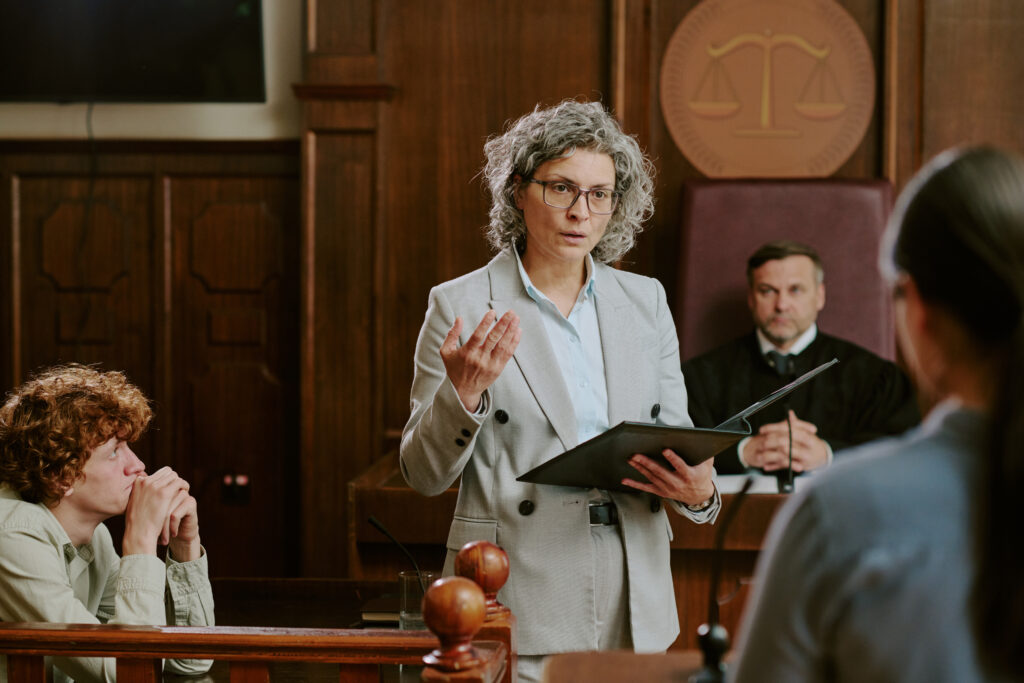
Attorneys preparing for a 30b6 deposition.

What Are 30(b)(6) Depositions?

Corporate litigation often requires testimony that reflects an organization’s official position instead of one employee’s personal knowledge. A 30(b)(6) deposition allows attorneys to question a business, government agency, or other organization through a designated representative who testifies on its behalf. This type of deposition plays an important role during discovery because it helps establish facts that bind the organization rather than an individual witness. Unlike a traditional deposition, a 30(b)(6) deposition places the responsibility on the organization to identify and prepare the appropriate representative for each topic listed in the deposition notice. Attorneys who understand this process can draft stronger notices, ask more effective questions, and obtain testimony that carries significant weight throughout the case.

What Makes a 30(b)(6) Deposition Different?

Rule 30(b)(6) of the Federal Rules of Civil Procedure allows a party to depose an organization instead of naming a specific employee. The deposition notice identifies the subjects for examination with reasonable particularity, giving the organization an opportunity to prepare a representative who can testify about those topics.

One important distinction separates this process from a traditional individual deposition. The designated witness does not testify solely from personal experience. Instead, the organization must educate that witness by reviewing records, speaking with employees, and gathering information that reflects the company’s knowledge. As a result, the testimony represents the organization’s knowledge and position regarding the identified topics, making it valuable throughout the litigation process. Organizations sometimes designate more than one representative if the notice covers several departments or specialized areas. Dividing testimony among multiple witnesses often allows each representative to answer questions with greater accuracy while still satisfying the organization’s obligations under the rule.

How the Process Works

A successful deposition begins well before the witness takes an oath. Careful preparation from both sides often determines whether the testimony produces useful information or creates unnecessary discovery disputes.

Drafting the Deposition Notice

The attorney requesting the deposition must describe each examination topic clearly enough for the organization to understand what information it must prepare. Specific requests encourage meaningful testimony because they give the responding organization a clear roadmap for gathering documents and identifying knowledgeable representatives. Broad or vague topics often lead to objections, scheduling delays, or disagreements about the scope of questioning. Well-written notices reduce those issues while helping everyone focus on the facts that matter most.

Selecting the Right Corporate Representative

After receiving the notice, the organization must select one or more individuals who can testify about each listed subject. Seniority alone does not determine who should serve as the representative. The organization should choose witnesses who can learn the necessary information, communicate it accurately, and answer questions on behalf of the company. Many organizations assign different representatives to separate topics involving finance, operations, human resources, product development, or compliance. That approach often produces more complete testimony without requiring one person to master every subject.

Preparing the Witness

Preparation extends far beyond simply reviewing a few documents. Counsel frequently gathers contracts, emails, internal policies, reports, meeting notes, training materials, and other records that relate to the noticed topics. Attorneys also interview employees who possess relevant information so the designated representative can provide complete and accurate testimony. Strong preparation reduces the risk of inconsistent answers and demonstrates that the organization fulfilled its obligation to educate its witness. Courts expect meaningful preparation, and they may require additional testimony or impose sanctions when organizations present witnesses who cannot answer reasonable questions within the scope of the notice.

Common Mistakes Attorneys Should Avoid

Many problems associated with a 30b6 deposition arise during preparation rather than questioning. Recognizing common mistakes allows attorneys to avoid unnecessary disputes and obtain stronger testimony.

Drafting Overly Broad Topics

Requests covering every fact related to a lawsuit rarely produce productive testimony. Narrow, clearly defined topics encourage focused preparation and provide a better foundation for meaningful questioning during the deposition. Thoughtful drafting also reduces motion practice because the responding organization can identify exactly what information it must gather before the deposition takes place.

Assuming Personal Knowledge Is Enough

A designated representative cannot simply answer, “I don’t know,” because they lacked personal involvement in the underlying events. Rule 30(b)(6) requires the organization to educate its witness using information reasonably available to the company. Attorneys should evaluate witness preparation carefully during the deposition. If the representative cannot answer questions that fall within the noticed topics, the testimony may demonstrate that the organization failed to satisfy its obligations.

Missing Opportunities During Questioning

Effective attorneys listen carefully instead of relying entirely on prepared outlines. Follow-up questions often uncover inconsistencies, clarify confusing testimony, or reveal additional witnesses and documents worth pursuing. These depositions frequently uncover information that shapes later discovery, influences settlement discussions, and strengthens dispositive motions. Careful questioning allows attorneys to develop testimony they can use throughout the life of the case.

Why 30(b)(6) Depositions Matter in Litigation

A well-planned 30(b)(6) deposition often becomes one of the most valuable discovery tools available in complex litigation. Because the testimony represents the organization’s official position, attorneys frequently rely on it during summary judgment motions, mediation, settlement negotiations, and trial preparation. These depositions can establish corporate policies, explain decision-making processes, identify responsible individuals, confirm recordkeeping practices, and clarify technical issues that individual witnesses may not fully address. They also help narrow disputed facts before trial, saving valuable time and reducing unnecessary litigation costs. Attorneys who prepare carefully, draft focused deposition notices, and question designated representatives strategically place themselves in a stronger position throughout the case.

Build Stronger Deposition Strategies With Magna Legal Services

Support Complex 30(b)(6) Depositions With Magna Legal Services

A successful 30(b)(6) deposition requires careful preparation, accurate documentation, and dependable support throughout the process. From scheduling and technology management to transcript delivery and exhibit handling, every detail can impact the quality and usefulness of the testimony obtained.

Magna Legal Services provides nationwide deposition support, including court reporting, remote and in-person depositions, legal videography, realtime reporting, exhibit management, interpretation, legal translation, and secure transcript delivery.

Whether your team is preparing for a complex corporate deposition or managing a large-scale litigation matter, Magna Legal Services provides the experience and resources needed to keep your case moving forward.

Contact Magna Legal Services today to schedule your next deposition and experience reliable litigation support from preparation through resolution.

How to Build an Unshakable Case with Strategic Trial Presentation

This free virtual Magna LS CLE originally aired live on August 21st, 2026

This presentation discussed how you can learn to can apply strategies such as video playback, on demand exhibit displays, databases, graphics, and more from Pre-Trial to Post-Trial to build an ironclad defense or an unstoppable argument.

  • Scott Horwitz, Esq., National Managing Director of Graphics Consulting & Trial Tech, Magna Legal Services
  • Joseph Boxer, Director of Graphics Consulting, Magna Legal Services
  • Ross Suter, Senior Vice President, Litigation Solutions, Magna Legal Services

DISCLAIMER: Watching this recording does NOT make you eligible to receive CLE credit. Stay tuned for more Magna CLE invites in the future so you can tune in live next time and receive credit!

Attorney using catchy trial themes examples​

Trial Theme Examples

A compelling trial theme gives jurors a simple idea they can carry from opening statements through deliberations. Every witness, exhibit, and argument should reinforce that central message, making the evidence easier to organize and remember. Without a consistent theme, strong facts can lose their impact because jurors must decide for themselves how each piece of evidence fits together.

Many attorneys devote substantial time to discovery, depositions, and motion practice, yet trial themes sometimes receive far less attention until shortly before trial. A well-crafted theme creates a roadmap that guides every stage of the presentation. Reviewing examples of catchy trial themes early in trial preparation can help attorneys identify language that supports their theory of the case while remaining grounded in evidence.

Why Trial Themes Matter

Jurors rarely remember every exhibit number or every answer a witness gives on the stand. They tend to remember the story that connects those facts. An effective trial theme provides that story by giving jurors a clear reason why the evidence matters and how it supports your client’s position. Strong themes also create consistency throughout the trial. Opening statements introduce the idea, direct examinations develop it, cross-examinations reinforce it, and closing arguments remind jurors how each piece of evidence supports the same message. Repetition builds familiarity, making it easier for jurors to recall important facts during deliberations. The most effective themes stay true to the evidence. A memorable phrase may capture attention, but it only succeeds if every witness and exhibit continues to support that message throughout the case.

Catchy Trial Themes Examples for Different Case Types

Many attorneys review catchy trial themes examples as part of their brainstorming process. These examples should serve as inspiration rather than language to copy because every case presents different facts, witnesses, and legal issues.

Personal Injury Cases

Personal injury trials often focus on responsibility and preventable harm. Themes that emphasize accountability often resonate with jurors because they focus attention on the decisions that caused the injury.

Examples include:

  • “Safety should never take a day off.”
  • “One careless choice changed everything.”
  • “Rules exist because people matter.”
  • “Preventable harm deserves accountability.”

These themes work best when accident reconstruction, medical records, and witness testimony consistently reinforce the same message.

Medical Malpractice Cases

Medical malpractice cases often center on trust between patients and healthcare providers. Jurors expect medical professionals to exercise careful judgment, making trust and responsibility natural themes throughout the trial.

Examples include:

  • “Patients deserve careful decisions.”
  • “Trust requires accountability.”
  • “Every chart tells someone’s story.”
  • “Attention saves lives.”

Medical experts, treatment timelines, and clinical records should support these themes from beginning to end.

Employment Litigation

Employment disputes frequently involve fairness, honesty, and workplace responsibility. Jurors often evaluate how employers treated people just as carefully as they evaluate written policies.

Examples include:

  • “Respect belongs in every workplace.”
  • “Promises made should be promises kept.”
  • “Retaliation has no place at work.”
  • “Speaking up should never cost a career.”

Reviewing examples of effective trial themes in employment cases often helps attorneys develop language that fits their specific facts without overstating the evidence.

Building a Theme That Fits Your Case

Every successful trial theme begins with identifying the strongest fact in the case. Sometimes that fact appears in a deposition, a key document, or an admission made during discovery. Once that central point becomes clear, attorneys can develop a concise statement that ties the evidence together. Simple language usually creates stronger results than clever wording. Jurors should understand the theme immediately without needing additional explanation. If someone cannot repeat the theme after hearing it once, the message probably needs refinement. Testing the theme with colleagues before trial can reveal weak spots. Fresh feedback often identifies confusing language or highlights opportunities to make the message more memorable without sacrificing accuracy.

Every Witness Should Reinforce the Theme

Witness preparation should always support the trial theme. Each witness should contribute information that strengthens the same central message instead of introducing unrelated ideas. This consistency helps jurors recognize patterns across testimony instead of treating each witness as a separate source of information. Cross-examination offers another opportunity to reinforce the theme. Carefully planned questions can highlight admissions that support your theory while limiting attention on issues that distract from the strongest evidence.

Use Demonstratives to Reinforce the Story

Visual presentations can make a trial theme easier for jurors to understand and remember. Timelines, medical illustrations, accident reconstructions, financial summaries, and document callouts help jurors connect complicated evidence to a simple, consistent message. Every demonstrative exhibit should support the same story introduced during opening statements. Graphics that compete with the trial theme or introduce unrelated ideas can reduce the overall impact of the presentation. Clear visuals paired with consistent messaging give jurors another way to absorb and retain important evidence throughout the trial.

Turn Your Trial Theme Into a Persuasive Courtroom Strategy

A strong trial theme requires more than a memorable phrase—it requires preparation, organization, and courtroom execution. Every witness, exhibit, and presentation should support the same message while helping jurors understand the evidence.

Magna Legal Services helps attorneys strengthen trial presentations with jury consulting, trial presentation services, legal videography, court reporting, and record retrieval solutions. Our experienced teams help legal professionals refine case strategy, organize critical evidence, and present compelling arguments from opening statements through closing arguments.

Contact Magna Legal Services today to learn how our trial support services can help bring your case strategy to life.

photo of a jury box representing the importance of understanding jury decision making psychology​

How Jurors Think: Jury Decision Making Psychology

Every trial depends on more than the evidence presented in court. Jurors must evaluate testimony, weigh conflicting accounts, and decide which version of events they believe. Although attorneys spend significant time preparing legal arguments, the outcome often depends on how jurors process and interpret the information they receive.

That is why understanding jury decision making psychology deserves careful attention. Jurors bring their own experiences, beliefs, and expectations into the courtroom. Those influences shape how they assess credibility, organize evidence, and reach conclusions during deliberations. Attorneys who understand these patterns can build stronger case strategies from voir dire through closing arguments.

Why Jury Decision Making Psychology Matters

Jurors do not evaluate every piece of evidence in isolation. Instead, they naturally organize information into a story that explains what happened. As witnesses testify and exhibits are introduced, jurors continuously adjust that story based on new information. This process explains why a clear case theme matters so much. When evidence consistently supports one narrative, jurors have an easier time connecting facts and remembering important testimony. If a case lacks organization or presents conflicting messages, jurors may struggle to understand how individual pieces of evidence fit together. Research into jury decision making psychology shows that people often remember stories more easily than disconnected facts. Attorneys who present a logical sequence of events help jurors retain information throughout lengthy trials.

Mental Shortcuts Shape Juror Decisions

Every person relies on mental shortcuts to process large amounts of information. Courtrooms present an especially demanding environment, requiring jurors to process testimony, legal instructions, expert opinions, and documentary evidence over several days or weeks. One common pattern involves confirmation bias. Once jurors begin leaning toward a particular explanation, they may give greater weight to evidence supporting that view while paying less attention to conflicting information. Attorneys can reduce this risk by addressing weaknesses openly rather than hoping jurors ignore them. Anchoring creates another challenge. Early information often influences later decisions, even after jurors hear additional evidence. Strong opening statements and well-organized early testimony can establish reference points that remain influential throughout the trial.

First Impressions Influence Credibility

Jurors begin evaluating credibility almost immediately. They notice how attorneys present themselves, how witnesses answer questions, and how confidently each party communicates. Witness preparation plays an important role in building credibility. Jurors generally respond well to witnesses who answer naturally, remain consistent, and acknowledge reasonable limits in their knowledge. A witness who appears overly rehearsed or defensive may lose credibility even when the underlying testimony remains accurate.

Emotion and Logic Work Together

Jurors strive to follow the law and base their verdicts on evidence. Even so, emotional responses naturally influence how people remember testimony and evaluate credibility. Effective trial presentations connect emotional themes directly to the facts of the case. Personal stories supported by reliable evidence often leave stronger impressions than technical explanations alone. Attorneys should never rely on emotion instead of evidence, although presenting the human side of a case helps jurors understand why the facts matter.

Voir Dire Provides More Than Jury Selection

Many attorneys view voir dire primarily as an opportunity to identify potential bias among jurors. It also serves as one of the best opportunities to learn how prospective jurors think. Open-ended questions encourage meaningful conversations that reveal attitudes toward lawsuits, corporations, law enforcement, medical providers, or personal responsibility. Those discussions often uncover experiences that influence decision-making throughout the trial. Patterns across multiple jurors frequently prove more valuable than isolated responses. Shared attitudes may identify themes that deserve attention during opening statements, witness examinations, and closing arguments.

Witnesses Often Matter More Than Documents

Documents and expert testimony remain critical pieces of many cases, yet jurors often place greater emphasis on witness credibility. They evaluate confidence, honesty, consistency, and demeanor alongside the substance of the testimony itself. Witnesses who communicate clearly without exaggeration generally earn greater trust. Jurors appreciate honest answers, including admissions when a witness does not know something. That type of authenticity often strengthens credibility rather than weakening it. Attorneys should prepare witnesses to explain complicated subjects using everyday language whenever possible. Clear communication helps jurors stay engaged and improves retention during deliberations.

Visual Evidence Strengthens Retention

Visual exhibits help jurors organize information more effectively than spoken testimony alone. Timelines, diagrams, photographs, and demonstrative exhibits reinforce key points while making complicated facts easier to understand. The strongest visuals support witness testimony instead of distracting from it. Every exhibit should reinforce the central narrative and help jurors connect important pieces of evidence.

Jury Research Improves Trial Preparation

Many successful trial teams test their cases before appearing in court. Mock trials, focus groups, and jury consulting allow attorneys to observe how potential jurors react to evidence, witnesses, and legal arguments before trial begins. Participants frequently identify confusing testimony, weak themes, or exhibits that fail to communicate effectively. Those observations give attorneys an opportunity to refine their presentations well before entering the courtroom. Jury decision making psychology becomes much more practical through jury research because attorneys receive feedback from people who closely resemble the actual jury pool. Rather than relying on assumptions, trial teams can adjust their strategy based on measurable reactions and thoughtful discussion.

Turn Jury Psychology Into a Trial Advantage

Understanding jury decision making psychology gives attorneys an advantage long before opening statements begin. Strong trial preparation combines legal analysis with an appreciation for how jurors process information, evaluate credibility, and make decisions during deliberations. Attorneys who recognize these patterns can develop stronger themes, prepare witnesses more effectively, and present evidence in a way that is easier for jurors to follow and remember.

Build a Stronger Jury Strategy With Magna Legal Services

Understand Your Jury Before Entering the Courtroom

Successful trial preparation requires more than strong arguments—it requires understanding how jurors may interpret evidence, evaluate witnesses, and respond to case themes.

Magna Legal Services helps attorneys make informed trial decisions through comprehensive jury research and consulting services, including mock trials, focus groups, juror investigations, social media research, and case strategy testing.

By gaining insight into potential juror reactions before trial begins, legal teams can refine their arguments, strengthen witness preparation, and approach jury selection with greater confidence.

Whether you are preparing for jury selection or refining your overall trial strategy, Magna Legal’s jury consulting services provide the research and analysis needed to approach the courtroom with greater confidence. Contact Magna Legal Services today to learn how jury consulting services can help your team prepare a stronger trial strategy.

photo showing a finger on the delete button representing deleting of evidence and adverse inference meaning.

Adverse Inference Explained

Attorneys build cases around evidence, so missing records can create serious problems during discovery and trial. Deleted emails, lost text messages, overwritten video footage, and destroyed documents may prevent one party from proving a claim or defense. Courts may respond by allowing an adverse inference against the party responsible for the missing material. Understanding the adverse inference meaning is important because this sanction can affect motions, settlement discussions, witness credibility, and trial strategy. Attorneys who recognize preservation risks early can help clients protect relevant information and avoid disputes over lost evidence.

Adverse Inference Meaning

The adverse inference meaning refers to a conclusion that a judge or jury may draw when a party loses, destroys, or fails to preserve relevant evidence. The court may permit the fact finder to infer that the missing evidence would have been unfavorable to the party responsible for its loss.

An adverse inference does not automatically establish liability or decide the entire case. It gives the opposing party a way to address the unfair disadvantage created by missing evidence. A jury may then consider the loss alongside testimony, documents, expert opinions, and other proof presented during trial. Courts often connect adverse inference requests to spoliation, which occurs when a party destroys or fails to preserve evidence relevant to existing or expected litigation. The standards vary by court, so attorneys should review the controlling rules and case law before seeking or opposing the sanction.

What Courts Consider Before Granting an Adverse Inference

Judges do not grant adverse inference sanctions simply because evidence no longer exists. They review the preservation duty, the conduct that caused the loss, the importance of the evidence, and the harm suffered by the opposing party.

Did a Duty to Preserve Exist?

A party’s preservation duty usually begins when litigation becomes reasonably foreseeable. The duty may arise after a demand letter, accident report, government inquiry, internal complaint, threat of litigation, or another event that signals a likely dispute. Once the duty begins, attorneys should help clients identify relevant custodians, devices, accounts, and record systems. A litigation hold can suspend routine deletion practices and instruct employees to preserve materials related to the matter.

How Did the Evidence Disappear?

Courts examine whether the party took reasonable steps to protect the evidence. A judge may view intentional deletion more severely than an isolated technical failure, although careless handling can still lead to sanctions. Common problems include automatic email deletion, expired cloud storage, discarded mobile phones, lost paper files, and security systems that overwrite footage. Attorneys should investigate these systems early because many deletion schedules continue automatically unless action is taken.

Was the Loss Caused By Prejudice?

A court will consider how the missing information affected the opposing party’s ability to present its case. Evidence tied to liability, damages, notice, causation, or witness credibility may carry greater importance than records that repeat information available elsewhere. The party requesting an adverse inference should explain why the missing material matters and why another source cannot replace it. The responding party should identify duplicate records, alternative evidence, or preservation steps that reduced any harm.

Why the Adverse Inference Meaning Matters in Discovery

The adverse inference meaning carries practical importance during every stage of discovery. A preservation failure can lead to motion practice, forensic examinations, added depositions, increased costs, and unfavorable jury instructions. The risk often grows because digital information disappears quickly. Employees delete messages, companies replace devices, software platforms limit retention periods, and surveillance systems record over older footage. Attorneys who wait until formal discovery begins may lose access to evidence that existed when the dispute first arose. Early planning also helps counsel demonstrate that a client took reasonable preservation efforts. Written hold notices, custodian interviews, collection logs, chain-of-custody records, and documented follow-up can show that the legal team took reasonable steps to protect relevant material.

Protect Your Case From Evidence Preservation Risks

Missing evidence can create unnecessary challenges during discovery, motion practice, and trial. Taking proactive steps to preserve records, document collection efforts, and maintain reliable discovery processes can help legal teams reduce the risk of adverse inference issues. Magna Legal Services helps attorneys protect critical evidence through digital forensics, record retrieval, court reporting, deposition services, and litigation consulting. Our experienced professionals help legal teams preserve, collect, and manage important information while maintaining organized and defensible processes. Contact Magna Legal Services today to strengthen your evidence preservation strategy and reduce the risks associated with missing or lost information.

Attorneys in a metting discussing with clients about what happens after a deposition

What Happens After a Deposition?

A deposition marks an important milestone in litigation, but it rarely signals the end of discovery or the beginning of trial. Instead, it provides attorneys with sworn testimony that often shapes the next phase of the case. Every answer a witness gives has the potential to influence settlement discussions, motion practice, additional discovery, and trial preparation.

Many attorneys want to know what happens after a deposition because the focus shifts from gathering testimony to using it strategically. Strong deposition testimony can strengthen legal arguments, expose weaknesses in an opponent’s case, or identify issues that require additional investigation. Knowing what follows allows attorneys to make informed strategic decisions while keeping the case moving efficiently.

Reviewing the Deposition Transcript

One of the first priorities after a deposition is reviewing the certified transcript prepared by the court reporter. Attorneys carefully compare the testimony against documents, written discovery responses, and previous statements to identify admissions, inconsistencies, or testimony that supports important legal arguments. Small details often carry significant weight, especially when a witness commits to a specific timeline or explains key events in greater detail than previous discovery. Most jurisdictions also allow the deponent to review the transcript and submit an errata sheet to correct transcription errors or clarify testimony. Attorneys should evaluate any requested changes carefully because substantive revisions may become an issue later in the case. Reviewing the transcript early gives legal teams time to organize testimony by issue, create summaries for the case file, and identify excerpts that may support future motions or settlement discussions.

Identifying Testimony That Matters Most

Not every answer given during a deposition carries the same value. Attorneys often focus on testimony that establishes liability, supports damages, challenges witness credibility, or contradicts prior statements. Organizing these excerpts immediately after the deposition makes later case preparation much more efficient.

Reassessing Litigation Strategy

Deposition testimony often changes how attorneys evaluate a case. A witness may perform better than expected, struggle under questioning, or provide information that neither party anticipated. Once the deposition concludes, legal teams usually meet to discuss what they learned and determine whether the existing strategy still makes sense. If testimony strengthens a client’s position, attorneys may pursue a more aggressive litigation strategy. If the testimony exposes weaknesses, counsel may shift focus toward additional evidence, revised legal arguments, or settlement discussions. Clients also benefit from these evaluations because they gain a more realistic picture of the strengths, risks, and likely costs associated with continuing the case.

Determining Whether More Discovery Is Needed

Depositions frequently reveal new witnesses, documents, or events that require additional investigation. Attorneys may schedule follow-up depositions, issue subpoenas to third parties, or request supplemental document production based on information uncovered during testimony. Acting quickly helps ensure those opportunities remain available before discovery deadlines expire.

Using Deposition Testimony in Motion Practice

Deposition testimony often becomes one of the most important forms of evidence used during pretrial motion practice. Attorneys regularly cite sworn testimony in motions for summary judgment, discovery motions, and motions to exclude evidence. Direct admissions made under oath can simplify legal arguments and narrow the factual disputes that remain for trial. Opposing counsel also relies on deposition testimony to challenge legal positions or demonstrate that factual disputes still exist. Because judges frequently review deposition excerpts when deciding motions, attorneys benefit from maintaining organized transcripts and identifying important testimony soon after the deposition concludes.

Evaluating Settlement Opportunities

Settlement discussions often become more productive once key depositions have finished. Each party has a clearer picture of the available evidence, the credibility of important witnesses, and the risks associated with continuing the case. That information allows attorneys to negotiate with greater confidence and provide clients with informed recommendations. For many cases, what happens after a deposition includes renewed settlement negotiations. Favorable testimony may strengthen one party’s negotiating position, while unexpected admissions may encourage another party to resolve the dispute before incurring additional litigation expenses. Successful negotiations rely on objective evaluations of the deposition record rather than assumptions about how witnesses may testify at trial.

Preparing for Mediation

Many courts encourage or require mediation before trial. Attorneys often schedule mediation after completing significant depositions because the testimony provides a solid foundation for meaningful negotiations. Witness testimony frequently helps narrow disputed issues and gives mediators valuable information that supports productive settlement discussions.

Preparing for Trial

If the parties do not reach a settlement, attorneys begin preparing for trial using the deposition record. Deposition testimony helps shape witness examinations, identify impeachment material, and organize exhibits for presentation in court. Video depositions may also become valuable if a witness becomes unavailable or if prior testimony must be presented to the jury.

Make the Most of Every Deposition With Magna Legal Services

A deposition does not end when testimony concludes. The transcript, video, and exhibits created during the process often become valuable tools for motions, settlement discussions, mediation, and trial preparation.

Magna Legal Services helps attorneys manage every stage after a deposition with accurate certified transcripts, legal videography, transcript management, exhibit solutions, and nationwide deposition support. Our experienced professionals help legal teams organize critical materials so they can quickly access the information needed to make strategic decisions.

From reviewing testimony to preparing for the next phase of litigation, Magna Legal Services provides the reliable support attorneys need to keep cases moving forward.

Contact Magna Legal Services today to strengthen your deposition strategy and experience dependable litigation support from discovery through trial.