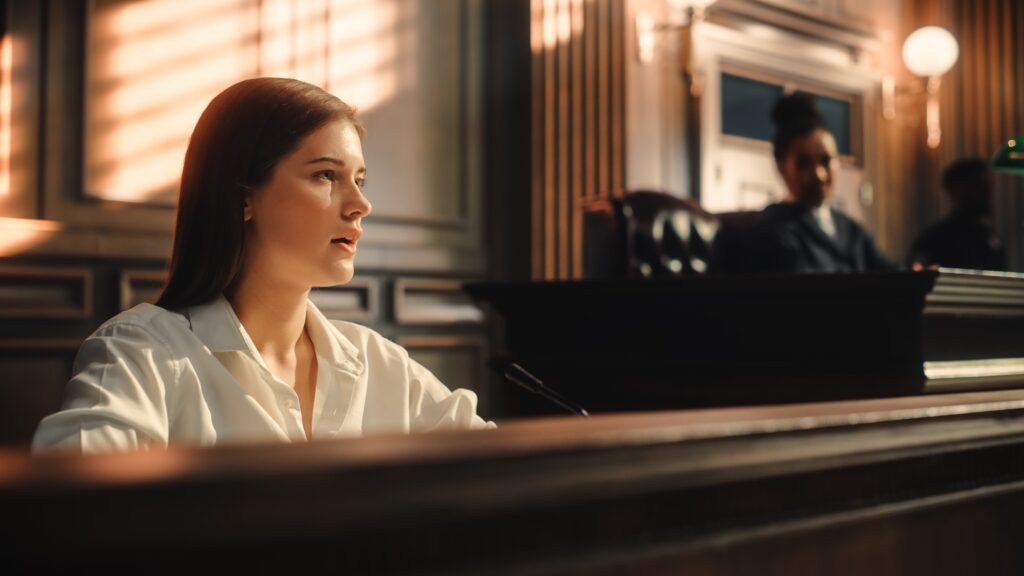
Cropped shot of young female witness in beige blazer standing by tribune with microphone and testifying in front of jury, judge and protection sideCropped shot of young female witness in beige blazer standing by tribune with microphone and testifying in front of jury, judge and protection side

Fact Witness vs Expert Witness

Legal cases often depend on the strength and clarity of witness testimony. Attorneys build their arguments around people who can explain what happened, why it matters, and how it connects to the law. Two common types of witnesses appear in courtrooms across the country: fact witnesses and expert witnesses. Knowing the difference between a fact witness vs expert witness can shape case strategy, influence credibility, and impact the final outcome.

What Is a Fact Witness?

A fact witness brings firsthand knowledge to a case. This person saw, heard, or experienced something directly related to the dispute. Their testimony focuses only on what they personally observed, not opinions or technical analysis.

Firsthand Knowledge Drives Testimony

Courts rely on fact witnesses to establish the basic timeline of events. A bystander who saw a car accident, an employee who attended a key meeting, or a tenant who witnessed unsafe conditions can all serve as fact witnesses. Their role centers on describing what happened in clear, direct terms. Judges expect fact witnesses to stay within the boundaries of their personal experience. They cannot guess, speculate, or offer professional opinions. If a witness begins to interpret events rather than describe them, opposing counsel will likely object.

Credibility Matters More Than Complexity

Fact witnesses do not need specialized training or credentials. Their value comes from honesty, consistency, and clarity. Attorneys often spend time preparing these witnesses so they can present their recollection confidently without adding unnecessary detail.

What Is an Expert Witness?

An expert witness offers specialized knowledge that helps the court understand complex issues. These witnesses rely on education, training, or professional experience to form opinions that go beyond common understanding.

Specialized Knowledge Supports Legal Arguments

Expert witnesses appear in cases involving medical issues, financial disputes, engineering failures, and many other technical areas. A medical expert might explain how an injury occurred, while an economist could calculate lost earnings. Courts allow expert witnesses to give opinions because their background qualifies them to interpret evidence. Their testimony often connects raw facts to conclusions that support a legal argument.

Courts Scrutinize Qualifications and Methods

Judges carefully evaluate whether an expert’s methods meet legal standards. Attorneys must show that the expert relies on accepted principles and applies them correctly. If the court finds the methods unreliable, it may exclude the testimony. Preparation for expert witnesses often involves detailed reports, data analysis, and supporting documentation. Opposing counsel will examine every assumption and conclusion, which means accuracy and consistency carry significant weight.

Key Differences Between Fact Witness vs Expert Witness

The distinction between a fact witness vs expert witness becomes clearer when comparing their roles side by side. Each type serves a different purpose, and both can play critical parts in the same case.

Scope of Testimony

Fact witnesses speak only about what they personally experienced. Their testimony remains limited to observable events. Expert witnesses, by contrast, interpret information and offer opinions based on their expertise.

Basis of Knowledge

A fact witness relies on memory and direct involvement. An expert witness relies on education, training, and analysis. This difference shapes how attorneys question each witness and how juries evaluate their statements.

Level of Preparation

Fact witnesses usually prepare by reviewing their recollection and prior statements. Expert witnesses prepare detailed reports, conduct research, and may run calculations or tests. Their preparation often takes more time due to the technical nature of their work.

Compensation

Fact witnesses typically receive compensation only for time and expenses. Expert witnesses receive payment for their professional services, including case review, report writing, and testimony. Courts allow this because experts contribute specialized skills.

How Attorneys Decide Which Witness to Use

Attorneys evaluate the needs of each case before deciding how to present evidence. The choice between a fact witness vs expert witness depends on the type of information required to support the argument. A personal injury case often includes both types of witnesses. A fact witness might describe how an accident occurred, while a medical expert explains the extent of the injuries. Each witness fills a different gap in the story. In contract disputes, fact witnesses may testify about conversations and agreements, while financial experts analyze damages. Legal teams consider how each witness strengthens the overall narrative.

Strengthen Your Case with the Right Support

Choosing between a fact witness vs expert witness requires careful planning and the right resources. No matter what kind of witness you have for a case, Magna Legal Services can assist in preparing witnesses to give their best testimony possible while helping legal teams ensure every detail aligns with case strategy. Our team works closely with attorneys, making the process smoother and more effective.  Reach out today to see how Magna LS can support your next case with reliable, experienced witness preparation services.

witness giving statement during hearing witness credibility factors

Witness Credibility Factors

Every trial lawyer knows that jurors judge more than the facts. They judge the people who present those facts. A witness can have the strongest evidence in the case, yet lose the jury’s trust within minutes. That is why witness preparation requires close attention to witness credibility factors that shape how testimony lands in the courtroom.

Attorneys who prepare witnesses well focus on more than content. They prepare the person. Credibility grows from consistency, demeanor, clarity, and authenticity. When you understand the most important witness credibility factors, you can guide your client or fact witness toward testimony that jurors believe and respect.

Why Witness Credibility Factors Matter in Trial Strategy

Jurors assess credibility from the moment a witness takes the stand. They watch posture, facial expressions, tone of voice, and eye contact before they fully process the testimony. Those early impressions often frame how they interpret the rest of the evidence. Witness credibility factors influence how jurors weigh conflicting testimony. If two witnesses offer different accounts, jurors often side with the one they perceive as more honest and confident. Even strong documentary evidence can lose impact if a sponsoring witness appears evasive or uncertain. Trial strategy should include a focused review of witness credibility factors long before the first day in court. Preparation sessions give attorneys the chance to identify red flags and correct them in a controlled setting rather than under cross-examination.

Consistency Between Words and Actions

Consistency creates trust, and jurors expect a credible witness to tell the same story every time, whether in deposition, affidavit, or live testimony. When statements shift, even slightly, jurors may assume the witness hides something.

Aligning Deposition and Trial Testimony

Many credibility problems begin with deposition transcripts. Opposing counsel often searches for small inconsistencies to raise doubt. Reviewing prior testimony line by line with your witness helps avoid surprises. Encourage witnesses to explain changes honestly. If new information surfaced after the deposition, prepare a clear explanation. Jurors accept growth and clarification more readily than silence or defensiveness.

Body Language and Verbal Delivery

Witness credibility factors extend beyond spoken words. A witness who says “I am certain” while avoiding eye contact sends a mixed signal. Jurors notice these conflicts quickly. Practice sessions should include video review. When witnesses see their own posture and gestures, they often correct distracting habits. Simple adjustments in tone and pacing can strengthen credibility without changing the substance of testimony.

Confidence Without Arrogance

Jurors want witnesses to appear sure of what they know and honest about what they do not know. Overconfidence can feel rehearsed or exaggerated. Hesitation can appear dishonest, even when the witness simply feels nervous.

Teaching Witnesses to Own Their Limits

Strong preparation includes permission to say, “I don’t recall,” or “I don’t know.” Many witnesses believe they must answer every question with certainty, but unfortunately that kind of pressure may lead to speculation, which damages trust with jurors.

Attorneys should model clear boundaries during mock questioning. When a witness learns to pause, think, and answer only what the question asks, credibility increases. This discipline ranks high among effective witness credibility factors.

Managing Nerves Under Pressure

Courtrooms create stress. Cross-examination often raises that stress to another level. A well-prepared witness recognizes aggressive tactics and responds calmly. Rehearsing difficult questions in advance reduces surprise. Structured practice sessions allow witnesses to experience pressure in a safe environment. As a result, their confidence appears natural rather than forced.

Clarity and Simplicity in Communication

Jurors value witnesses who speak plainly. Legal jargon, long explanations, and technical language can create distance. Clear answers build trust.

Encourage witnesses to use everyday language. Short sentences help jurors follow the story. When a witness explains events in a straightforward way, jurors feel included rather than confused. Rambling answers give opposing counsel material to challenge. Direct responses limit that risk and support positive witness credibility factors.

Authenticity and Relatability

Jurors connect with people who seem genuine, so a witness who appears overly scripted may raise suspicion. Preparation should focus on structure rather than memorization. Witnesses should be given themes and key points, not word-for-word scripts. This approach allows them to speak in their own voice while staying aligned with case strategy. Relatability also matters because jurors look for shared values and common sense. When witnesses acknowledge mistakes, express appropriate emotion, and answer respectfully, they build rapport in the courtroom.

Professional Witness Preparation Can Help

Many attorneys prepare witnesses themselves, and that work remains essential. However, outside consultants add another layer of evaluation. Neutral observers often notice habits or weaknesses that trial teams overlook. Professional witness preparation includes mock examinations, feedback sessions, and strategic coaching. Consultants can then analyze witness credibility factors from a juror’s point of view.

Partner With Magna Legal for Stronger Witness Performance

Witness preparation requires time, structure, and honest feedback. Magna Legal provides focused support through experienced jury consultants who understand how jurors evaluate witness credibility factors. Our team conducts realistic mock examinations, offers practical coaching, and helps witnesses present testimony with clarity and confidence.

Attorneys across the country rely on Magna Legal to strengthen courtroom performance before trial begins. If you want your witnesses to communicate with credibility and composure, connect with Magna Legal’s witness preparation team and schedule a consultation today.

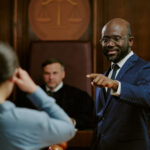
attorney suit standing and gesturing while addressing woman in courtroom with judge seated in background during legal proceedings cross examination tips for witnesses

Cross Examination Tips for Witnesses

Every attorney knows that a strong case can weaken quickly if a witness struggles on the stand. Cross-examination exposes gaps, highlights inconsistencies, and tests credibility in front of a judge or jury. Effective witness preparation protects your case and strengthens your presentation. These cross examination tips for witnesses focus on how you, as counsel, can prepare your witness for controlled, confident testimony. A well-prepared witness does not sound rehearsed. Instead, they sound steady, thoughtful, and credible under pressure.

Clarify the Purpose of Cross-Examination

Before you prepare your witness, explain what cross-examination aims to accomplish. Many witnesses assume the goal is simply to gather more facts. In reality, opposing counsel uses cross-examination to test credibility, control the narrative, and expose weaknesses.

Walk your witness through what they should expect:

  • Leading questions that suggest the desired answer
  • Questions designed to limit responses to “yes” or “no”
  • Repetition of prior statements to highlight inconsistencies
  • A faster pace and sharper tone than direct examination
  • Focus on small details that may appear minor but can affect credibility

Tips for Attorneys

  • Set realistic expectations early: Repeated questions or firm phrasing do not signal hostility; they reflect strategy. When witnesses recognize this structure, they remain composed instead of defensive.
  • Review the themes the opposing side may emphasize: If impeachment material exists in deposition transcripts, written reports, or prior testimony, address it directly during preparation.

Review the Record With Precision

One of the most valuable cross examination tips for witnesses involves disciplined review of the record. Walk your witness through deposition transcripts, interrogatory responses, affidavits, and key documents. Focus on areas where wording may invite scrutiny.

Encourage your witness to read their prior answers aloud. Hearing those responses often reveals unclear phrasing or overbroad statements. Clarify intent before trial so the witness can explain prior answers without hesitation. If inconsistencies exist, address them head-on. Jurors respond better to a witness who acknowledges a prior mistake than one who appears evasive. Coach your witness to correct errors calmly and directly if opposing counsel raises them.

Train the Witness to Control the Pace

Emphasize Listening Before Answering

Witnesses often rush to respond, especially under pressure. Teach them to listen to the entire question before answering. A short pause allows time to object if necessary and helps the witness avoid misstatements. Practice this skill in mock sessions while asking challenging questions and requiring your witness to wait a beat before answering. This habit builds discipline and reduces impulsive responses.

Reinforce Focused Answers

Witnesses should answer only what the question asks. Overexplaining invites additional lines of attack. During preparation, demonstrate how a simple, accurate response can close off unnecessary follow-up. Run drills that contrast short, precise answers with overly detailed responses. When witnesses see how extra commentary expands cross-examination, they quickly learn restraint.

Prepare for Difficult Questioning Tactics

Opposing counsel may rephrase the same question multiple times or suggest that the witness seems uncertain, so prepare your witness for this approach so it does not rattle them. Role-play scenarios where you challenge memory or imply inconsistency. Encourage your witness to repeat their truthful answer without argument or visible frustration. Jurors notice demeanor as much as substance.

Teach your witness to say “I don’t recall” or “I don’t know” when appropriate and help them understand that guessing creates unnecessary risk. Confident admissions of limited memory often appear more credible than strained attempts to provide an answer. Another important element of cross examination tips for witnesses involves handling compound or confusing questions. Train your witness to ask for clarification if a question includes multiple parts. Clear communication protects the record and limits misinterpretation.

Protect Credibility Through Demeanor

Jurors evaluate tone, posture, and facial expression as carefully as they assess words. Address courtroom demeanor during preparation. Encourage steady eye contact, measured speech, and controlled body language.

Remind your witness to direct answers to the questioning attorney unless instructed otherwise. Discourage sarcasm, humor, or argumentative responses. Professional composure strengthens your case, so run full mock cross-examinations that simulate courtroom pressure. Increase the intensity gradually so your witness grows comfortable responding under stress.

Integrate Professional Witness Preparation Into Your Strategy

Even experienced witnesses benefit from structured preparation. Complex cases, high exposure, or emotionally charged facts demand more than a brief review session. Structured coaching reinforces courtroom presence and sharpens message control. Many attorneys rely on specialized consultants to enhance this process. Experienced trial consultants can identify weak points in testimony, refine language, and simulate realistic cross-examination conditions. These services support your strategy without altering the authenticity of your witness.

Strengthen Your Witness Before Trial Day

Your case deserves a witness who can withstand pressure and maintain credibility. Magna Legal Services provides professional witness preparation and jury consulting designed to support your litigation strategy. Our team works closely with counsel to conduct focused mock examinations, refine testimony delivery, and prepare witnesses for the realities of cross-examination.

Schedule a witness preparation session with Magna Legal Services and give your client the advantage of confident, courtroom-ready testimony.

What is an Economic Expert Witness?

Court cases often turn on money. Lost profits, wage disputes, business value, and future damages can shape the outcome of a lawsuit. Judges and juries need clear, reliable numbers before they can decide who owes what. An economic expert witness provides that clarity.

An economic expert witness studies financial data, applies accepted economic methods, and explains complex calculations in plain language. Their testimony helps the court connect financial facts to real-world impact. Attorneys rely on these experts to support claims, challenge opposing reports, and strengthen trial strategy. Economic testimony must stand up to close scrutiny. Courts expect expert opinions to rest on sound methods and credible data. A skilled economic expert witness builds reports that meet those standards and delivers testimony that jurors can follow without confusion.

What Does An Economic Expert Witness Do?

An economic expert witness serves as a bridge between financial analysis and legal argument. Lawyers build the case, but the expert quantifies the damages. Without accurate calculations, even a strong liability case can lose value.

Calculating Economic Damages

Economic damages include lost wages, reduced earning capacity, lost business profits, and future medical costs. An economic expert witness gathers employment records, tax returns, market data, and industry benchmarks to calculate these losses. They project future earnings based on work history, age, education, and labor market trends.

Consider a personal injury case involving a construction worker who can no longer perform physical labor. The expert analyzes the worker’s prior income, expected career growth, and retirement age. The expert then compares that path to the worker’s new earning capacity in a different field. The difference forms the basis of the damages claim. These calculations must follow accepted economic principles. Courts often review whether the expert applied reliable methods. Strong documentation and clear reasoning help the testimony withstand cross-examination.

Valuing Businesses and Commercial Losses

Business disputes often involve claims of lost profits or diminished company value. An economic expert witness may evaluate financial statements, contracts, sales trends, and market conditions. They assess how the alleged wrongdoing affected revenue and long-term growth.

In a breach of contract case, a company may argue that a supplier’s failure to deliver goods caused significant losses. The expert examines historical sales data and compares it to performance during the breach period. They separate losses caused by the breach from losses caused by outside factors, such as economic downturns or seasonal changes. This careful analysis protects the credibility of the claim. Judges and juries expect precise numbers supported by clear explanations.

Assisting with Case Strategy

Early involvement allows the expert to identify strengths and weaknesses in the damages theory. The expert may review opposing reports and point out unsupported assumptions or mathematical errors. This collaboration helps attorneys refine their arguments before trial. During depositions, the expert explains their findings under oath. Clear and confident testimony strengthens the attorney’s position. Preparation plays a major role here. The expert must anticipate challenging questions and respond with steady, fact-based answers.

Preparing for Trial Testimony

Trial testimony requires strong communication skills. An economic expert witness must translate technical calculations into language that jurors understand. Charts, graphs, and simple explanations can make complex financial concepts easier to follow. Jurors are not likely to have a background in economics. The expert should walk them through each step of the calculation and explain why the chosen method makes sense. This approach builds trust and helps the jury connect the numbers to the real harm suffered.

Qualifications of a Strong Economic Expert Witness

Courts expect expert witnesses to meet strict standards. Education, experience, and professional credibility all matter. Most economic experts hold advanced degrees in economics, finance, or a related field. Many have years of experience analyzing labor markets, business valuation, or financial damages. Publications, teaching roles, and prior courtroom experience can further strengthen their credibility. Experience in testifying also matters. A seasoned economic expert witness understands courtroom procedure and knows how to remain composed under pressure. Opposing counsel may attempt to challenge assumptions or highlight minor discrepancies. A well-prepared expert addresses those questions directly and keeps the focus on the facts.

Partner with Magna Legal Services for Expert Witness Preparation

When your case requires an economic expert witness, precision and preparation matter. Magna Legal Services assists attorneys with training expert witnesses, deponents, defendants, and corporate representatives so you can focus on other aspects of your case. Contact Magna Legal Services today to secure the witness preparation that strengthens your strategy and positions your case for success.

Want to see experts in action? Please join us at our upcoming CLE event “Magna Battle of the Experts” on December 9th and 10th at The W South Beach in Miami, FL. The two-day CLE program will feature interactive micro-panel exercises involving teams of outside counsel, in-house counsel, claims executives and audience members working together alongside real life experts.

Employees,,Handshake,And,Contract,Agreement,,Job,Hiring,And,Hr,Manager

Voir Dire For Expert Witnesses

Voir dire expert witness proceedings can shape the outcome of a trial before testimony even begins. When attorneys question potential expert witnesses, they consider more than resumes. They judge credibility, test opinions, and assess how well the expert can withstand cross examination from opposing counsel. This process matters because jurors pay close attention to experts. Effective voir dire expert witness questioning can expose weaknesses and build confidence in an expert’s testimony.

Purpose of Voir Dire For Expert Witnesses

Voir dire focuses on two main goals. The first is screening, which confirms the expert knows their field and can explain it clearly. The second is strategy, which helps attorneys anticipate how the expert’s testimony will play to jurors. Thoughtful voir dire expert witness questioning reduces surprises later in the case. Jurors listen closely when experts speak. If an expert stumbles over basic questions during voir dire, jurors might doubt their competence. On the other hand, if the expert responds confidently and clearly, jurors are more likely to trust their testimony. Attorneys must evaluate both substance and delivery.

Preparing for Voir Dire With an Expert

Study the Expert’s Background
Top,View,Of,Stack,Of,Office,Documents,Including,Resume,And

Before any questioning, attorneys must review the expert’s curriculum vitae, publications, prior testimony, and professional affiliations. Familiarity with this material allows specific and targeted questions during voir dire expert witness sessions. General questions reveal limited information, but precise, pointed questions show how deeply the expert understands their area. Rather than asking about the number of years an expert has worked, attorneys should explore the depth of that experience. Have they applied the methodology at issue in real cases? Can they explain why one method outperforms alternatives? Answers to these questions show whether the expert is qualified and whether they can communicate clearly.

Outline Key Topics to Cover

Create a list of subjects to cover during voir dire. These include:

  • Educational credentials and continuing education
  • Professional work that directly relates to the subject matter
  • Prior testimony, including how often and in what settings
  • Methodological approaches and whether those approaches are accepted in the field
  • Fee arrangements and potential bias

Having a checklist helps attorneys ensure they cover vital ground without overlooking critical points. It also helps maintain a logical flow during questioning.

Conducting Voir Dire Expert Witness Questioning

Start With Credentials

Early in voir dire, attorneys should ask about core qualifications. These include degrees, certifications, licenses, and board memberships. Attorneys should also question where and how the expert applies these qualifications in practice. A witness with years of experience but no formal training in a specific method relevant to the case might struggle to justify their opinions. Jurors notice when experts speak confidently about credentials that matter to the case, rather than those that appear impressive but lack relevance.

Probe Real World Experience

Attorneys should ask the expert to describe how they have applied their expertise outside textbooks and theory. Real work examples carry weight. Jurors value practical experience. When an expert describes real scenarios and decisions, jurors get a clearer picture of what that expert brings to the case.

Questions that help uncover this include:

  • Describe a case where you applied this technique in a live setting.
  • What were the outcomes?
  • How did you handle unexpected challenges?

These questions test both knowledge and the expert’s ability to communicate complex topics understandably.

Evaluate Methodology

Experts often base testimony on specific methods or models. During voir dire, attorneys should ask the expert to explain those methods in simple terms.

Attorneys should evaluate whether:

  • The methodology is widely accepted in the field
  • The expert can explain why it’s accepted
  • There are recognized limitations

Jurors respect experts who acknowledge limits. Experts who claim absolute certainty risk losing credibility if cross examined.

Explore Prior Testimony

An expert’s track record in court reveals patterns. Attorneys should ask whether the expert has testified on similar matters before. They should also follow up with questions about how judges or opposing counsel responded to their testimony. Patterns of challenges or exclusions signal potential issues.

Specific follow ups could include:

  • Were your opinions challenged on methodology?
  • Did the judge sustain objections to your testimony?
  • Have opposing experts disagreed with your conclusions?

Answers to these questions provide valuable cues about how the expert might perform under pressure.

Assess Communication Skills

Communication matters in court. Some experts possess strong technical knowledge but struggle to translate it into plain language. Voir dire expert witness questioning must test this skill directly. Attorneys should ask the expert to explain a technical concept in straightforward terms. Jurors and judges prefer witnesses who make complex subjects easier to understand. Experts who rely on jargon or dense explanations risk losing their audience.

Red Flags During Voir Dire

Certain responses or behaviors during voir dire could signal trouble ahead. Attorneys should watch for:

  • Vague or evasive answers
  • Inability to explain basic principles
  • Overreliance on technical jargon
  • Defensive reactions to reasonable questions
  • Inconsistencies in stated experience

If attorneys observe these signs, they should question whether the expert can withstand rigorous cross examination.

How Attorneys Can Improve Voir Dire Expert Witness Sessions

Practice With Mock Questioning
Camera,On,Tripod,Foreground,,Businessman,Giving,Interview,To,Journalist,In

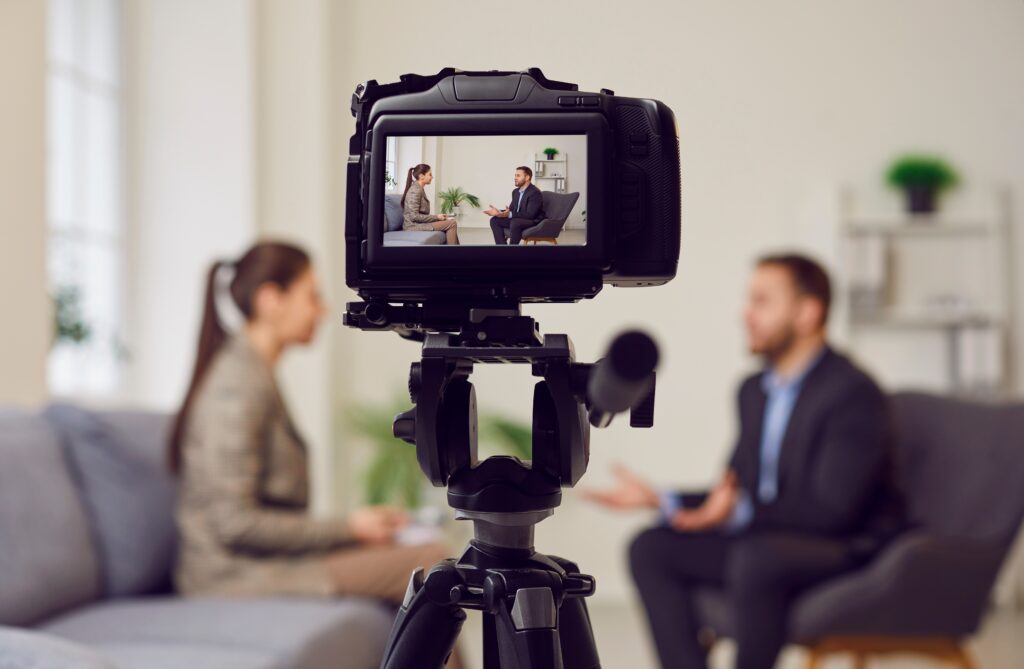
Attorneys can simulate voir dire expert witness questioning in practice sessions. Role play with colleagues and have someone act as the expert. Mock questioning helps refine inquiries and reveals weak spots in how questions are asked. Practicing also helps attorneys anticipate the expert’s responses. With rehearsal, attorneys can pivot effectively when an expert gives unexpected answers.

Use Objective Standards

Attorneys should tie questions to objective standards where possible. When experts base opinions on established industry standards, attorneys should ask them to explain why those standards apply. Objective references strengthen the expert’s credibility. Jurors appreciate testimony grounded in widely recognized principles.

Review Prior Testimony Transcripts

If experts have testified before, attorneys should read transcripts of those sessions. These transcripts often reveal patterns in how experts answer certain questions. Reviewing them can show whether the expert answers clearly under pressure or tends to circle back to vague language.

Voir Dire Expert Witness Through the Jury’s Eyes

Jurors want trustworthy guides through complex topics. When attorneys ask clear, focused questions during voir dire, jurors start forming impressions early. Many jurors may know little about the subject at hand, so they evaluate experts based on how well those experts make concepts accessible. If jurors hear confident and clear responses, they tend to trust the expert. If an expert pauses frequently, uses jargon without explanation, or contradicts themselves, jurors notice. Attorneys must help jurors see the expert as reliable, straightforward, and credible.

Strategic Uses of Voir Dire Beyond Qualification

Voir dire expert witness questioning can also serve strategic purposes. Attorneys might use voir dire to frame the expert’s role in neutral language, lower juror defenses, clarify what the expert will and will not discuss, and set expectations for complex explanations. By guiding jurors early, attorneys can reduce confusion when the expert testifies on substantive points later in the case.

Common Mistakes During Voir Dire Expert Witness

Attorneys should avoid these frequent errors:

  • Asking broad or unfocused questions
  • Ignoring communication ability
  • Overlooking fee arrangements
  • Allowing the expert to dominate the session
  • Falling into friendly conversation without testing key opinions

Staying purposeful during questioning ensures that voir dire serves its full purpose. Lawyers must balance respect for the expert with careful scrutiny. When attorneys skip rigorous voir dire, problems arise later in the case:

  • Expert testimony may be excluded
  • Opposing counsel may exploit weaknesses
  • Jurors may distrust the expert
  • The expert might contradict earlier statements

Poor voir dire increases the risk that an otherwise credible expert underperforms in trial.

Making Voir Dire Work for Your Case

Successful voir dire starts long before lawyers step into the courtroom. Preparation, clear and targeted questions, and active listening all matter. Attorneys should think through how every question affects the expert’s credibility. When attorneys prepare and execute voir dire expert witness questioning carefully, they strengthen the expert’s testimony and enhance the overall case.

Boost Confidence and Clarity in Voir Dire with Magna Legal

Magna Legal helps attorneys prepare experts for voir dire and trial. Our services include expert coordination, testimony preparation, and practice sessions that improve communication and confidence. We assist in organizing materials, refining expert statements, and ensuring that your expert delivers clear and credible testimony. We support attorneys with logistics and materials so they can focus on strategy. Whether you need help gathering prior testimony, organizing qualifications, or setting up mock voir dire sessions, Magna Legal provides reliable legal support.

Contact Magna Legal for assistance that strengthens your expert witness planning and preparation. We work with your team to make sure your expert performs at their best when it matters most.


microphone in the courtroom with a credible wittness on the stand that was taught how to prepare a testimony

Teach Your Witnesses How to Prepare a Testimony

Testifying in court can feel stressful, especially for someone without legal experience. Witness preparation can ease that pressure and make a big difference in how they come across. With the right guidance, they’ll speak with more confidence, stay focused, and support your case clearly and truthfully.

Why Preparation Changes Everything

Witnesses who know what to expect are more confident. They’re less likely to freeze or ramble. Instead, they stay calm, stay on track, and speak clearly. Preparation also helps reduce nerves. The courtroom setting can be intimidating, but when someone knows how to prepare a testimony, it feels less scary. They understand what’s coming, and they’re ready for it.

Make It a Conversation, Not a Lecture

Start by having your witness talk through what happened in their own words. Keep it casual and let them tell the story like they’re talking to a friend. That approach builds comfort and helps you spot where the story might need tightening. Ask questions as they go. Give simple feedback. Help them use clear language and cut out anything that feels confusing. The more natural it sounds, the more believable it will be.

Keep It Honest and Straightforward

Always push for honesty. If a witness doesn’t know something, they should say so. If they’re unsure, it’s okay to admit that. Guessing only creates problems later. Encourage them to stick to facts they personally know. Help them avoid trying to explain anything outside of their experience.

Break Down the Story

Structure helps, so teach your witness how to prepare a testimony by dividing their story into three parts: what happened, when it happened, and who was involved. Don’t let them drift into too much detail. Practicing that structure makes it easier for them to stay organized under pressure.

Practice the Tough Stuff

No one likes cross-examination, but the best way to deal with it is to practice. Ask challenging questions in a calm setting so your witness can work through how to respond. Coach them to pause before answering. If they don’t know, “I don’t remember” is a perfectly fine answer. They don’t need to fill the silence or guess. The goal is to keep it accurate and stay composed, even if the questions are aggressive.

Focus on How They Say It

What a witness says matters, but how they say it matters just as much. Teach them to speak slowly and clearly. Remind them to keep their voice steady and their tone respectful. Go through a few mock sessions. Record them if possible. Watch together and look for things like body language, pacing, and eye contact. Point out what’s working and what they can improve.

Handle Objections Without Stress

If the judge interrupts or the opposing attorney objects, a witness shouldn’t panic. Teach them to wait, stay quiet, and let the court handle it. Once they’re told to continue, they can pick up right where they left off. And if they don’t understand a question? They can ask for clarification. That’s better than answering something they’re unsure about.

Review Exhibits and Documents

If your witness needs to refer to documents or evidence, go through those ahead of time. Make sure they’re familiar with the content and know how it connects to their testimony. Don’t let them memorize it word-for-word. Instead, help them understand the key parts so they can talk about them naturally and accurately.

Keep the Support Going

Don’t stop after one session. Keep the conversation going. A few shorter meetings can do more than one long one. The more chances they get to practice, the better they’ll feel walking into court. If they seem nervous, teach small tips like taking a deep breath before answering or taking a sip of water to pause. Little things like that can go a long way in calming nerves.

Strengthen Your Witness Testimony with Magna

Magna Legal Services works with witnesses every day, whether they’re testifying in person, by video, or in a deposition. We give them the tools and support they need to speak clearly and stay calm under pressure. Our team focuses on how to prepare a testimony with real practice, honest feedback, and straightforward coaching. We work one-on-one with your witnesses to build trust and improve performance. Whether it’s running mock sessions, preparing for exhibits, or dealing with tricky questions, we’ll make sure your witness walks into court ready and confident.

Let’s make sure your testimony helps your case, not hurts it. Get in touch with Magna Legal Services today.

lawyer talking with witness during witness preparation session

How Witness Preparation Builds Trust with the Jury

When a witness takes the stand, jurors watch every move. They listen to the words, but they also look at body language, tone, and how the story is told. If something feels off, they notice. That’s why witness preparation can make or break a case. It helps witnesses speak clearly, stay calm, and build credibility from the first word.

Clear, Honest Testimony Builds Confidence

Jurors want to believe the person in front of them. Witness preparation helps shape that impression by making sure testimony is easy to follow and sounds natural. It starts with simplifying the message. Witnesses often get tangled in legal terms or overcomplicate things. During preparation, lawyers work with them to clean up the language and explain things in a straightforward way. This makes jurors feel like the witness is being real with them, not trying to confuse or impress. Consistency matters too. A witness who tells their story clearly and sticks to the same version builds trust. The jury sees someone who came prepared to tell the truth.

Staying Calm in a Stressful Situation

Courtrooms are stressful. Most people aren’t used to speaking in front of a room full of strangers while being questioned. Without preparation, nerves take over. Witness preparation helps people manage that pressure. Mock questioning is one of the most useful parts of the process. The witness gets a chance to practice answering questions that might come up, including the hard ones. This makes a big difference when the real thing happens. The witness feels more in control and less likely to freeze, ramble, or panic. Speaking with a calm and steady tone helps the jury focus on what’s being said. That kind of delivery shows confidence, not fear. It keeps jurors engaged and more likely to trust what they hear.

Helping Jurors Understand What Matters

Most jurors aren’t legal experts and want to hear a story that makes sense. Witness preparation helps organize that story so it flows in a way jurors can follow. Lawyers work with witnesses to make sure their testimony sticks to key facts. This keeps the message focused and avoids getting lost in small details. It also helps prevent confusion when jurors try to piece everything together later. When the witness speaks clearly and the information is well-organized, it’s easier for jurors to stay with them. That connection leads to stronger trust.

Honest Answers Build Credibility

Sometimes the most powerful thing a witness can say is “I don’t know.” Jurors don’t expect someone to have all the answers. They expect honesty. Witness preparation teaches people how to respond truthfully without guessing or overexplaining. Quick or nervous answers can feel like the witness is hiding something. Preparation helps people slow down, think about the question, and give a clear response. This shows the jury that the witness is focused on accuracy, not just trying to sound good.

Connecting with the Jury on a Personal Level

Jurors want to hear from someone who seems genuine. That comes through in how the witness talks, sits, and even how they handle documents. Preparation includes those details. Witnesses learn how to speak clearly without rushing. They learn how to pause before answering. They also practice staying present even during long days in court. These things may seem small, but they help the jury feel like the witness is reliable and trustworthy.

Getting Through Cross‑Examination Without Losing Ground

Cross‑examination can shake even the most confident person. That’s where witness preparation really shows its value. It teaches witnesses how to stay calm, even when the other side is trying to confuse or pressure them. They learn how to handle questions they didn’t expect, how to say “I don’t recall” when needed, and how to avoid being pulled into long explanations. Short, honest answers are often the best defense.

Jurors watch closely during cross‑examination. They pay attention to how the witness reacts. A calm, focused response tells them the witness has nothing to hide.

Get the Support Your Case Deserves

Jurors trust witnesses who sound real, stay calm, and stick to the facts. That kind of testimony doesn’t happen by chance. It takes work. Witness preparation gives your team that advantage. If you want jurors to believe your witness, give them the support they need to speak with confidence. Magna Legal Services provides expert witness preparation that helps your case stand strong. Contact us to get started today.

credible witness giving statement on the stand with a microphone in front of him

What Jurors Look For In A Credible Witness

Attorneys know that jurors evaluate every detail during trial. A juror decides whether someone qualifies as a credible witness based on tone, consistency, body language, and how well they connect to key facts. Here are some tips to help you understand what jurors expect, how to prepare witnesses to meet that standard, and avoid common mistakes.

How Jurors Judge Credibility

Jurors form opinions about credibility within moments of a witness speaking. They listen to what’s said, how it’s said, how consistent it sounds, and whether the person seems genuine. Each element of testimony shapes the way jurors interpret the facts of the case. A credible witness leaves jurors feeling confident in the story they’re hearing.

Confidence and Clear Communication

Jurors look for steady, confident communication. That doesn’t mean a witness should sound rehearsed or rigid. It means they should answer with purpose, keep their voice level, and speak in complete thoughts. Confidence comes from preparation. When a witness has reviewed their timeline and documents, practiced sample questions, and understands courtroom expectations, they sound more natural and less defensive. A credible witness pauses before answering, maintains a calm pace, and avoids filler words. 

Attorneys can help by recording practice sessions and giving pointed feedback. If a witness rambles or talks in circles, pause and reset. Have them answer again with fewer words. The more they rehearse concise, clear responses, the more confident they’ll be in the courtroom or deposition.

Body Language and Eye Contact

credible wittness on the stand showing confident body language and eye contact

Jurors rely heavily on visual cues to judge sincerity. A credible witness uses body language that matches their words. They sit upright, make eye contact with the examining attorney and jury when appropriate, and keep movements minimal. Hands can rest on the table or lap. Shifting in a chair, crossing arms, or touching the face can distract from the message and signal discomfort or dishonesty. Attire matters too. A witness should wear professional, courtroom-appropriate clothing that fits well and doesn’t draw attention. Jurors expect witnesses to take the process seriously. Looking polished helps show respect for the court and the gravity of the case.

Attorneys should remind witnesses that jurors see everything, including reactions to opposing counsel or non-verbal cues during breaks. Practice sessions should include posture correction, practice maintaining eye contact under stress, and discouraging habits like sighing or shaking the head.

Consistent and Honest Answers

Jurors listen for consistency. If a witness contradicts themselves, it creates doubt. A credible witness gives direct, honest answers, even if that means admitting they don’t remember something. Guessing, speculating, or trying to over-explain damages credibility. Some witnesses think they need to have all the answers. They don’t. Jurors respect someone who says, “I don’t recall,” or “I’d need to see the document to confirm that.” They do not respect someone who talks in circles or offers rehearsed-sounding filler to avoid saying “I don’t know.”

Attorneys should review key facts and known weaknesses in advance. Help the witness recognize where gaps in memory are acceptable. Role-play cross-examination to help them practice giving honest, factual responses without looking evasive or unsure. Make it clear that sticking to what they know is the right answer.

Preparing A Witness To Appear Credible

Build Rapport Early

Start preparation by making the witness comfortable. Building trust and explaining roles reduces anxiety. That connection lets witnesses focus on facts instead of nerves.

Review Facts and Language

Work with the witness to review timelines, documents, and case details. Then coach them to use consistent language and avoid legal jargon. Keeping answers simple helps jurors follow and trust testimony.

Practice Questioning Scenarios

Run mock direct and cross-examinations. Let the witness explain their part and then face harder hypothetical questions. Simulating pressure improves composure, response quality, and helps avoid rambling answers.

Use Video Feedback and Dress Rehearsals

Record practice sessions or dress rehearsals in real or virtual settings. Watching themselves helps witnesses see body language issues or unclear phrasing. Setting similar lighting, background, posture, and attire to courtroom conditions helps them feel more natural under scrutiny.

Preparing For Virtual or Remote Testimony

camera pointed at a table and chairs ready for a credible witness preparation

Test Technology and Setup

Start with equipment checks. Optimize the camera at eye level, using a clean background, high-quality audio, and a wired internet connection when possible. Dress and lighting influence jurors even through a screen.

Train To Communicate On Screen

Teach the witness to look at the camera, not the image on screen, and how to use subtle facial expressions. Practice pauses before answering, speaking slowly and clearly, avoiding interruptions or overlap.

Simulate Real Depositions

Conduct mock remote sessions with opposing-style questioning. Provide feedback on eye contact, tone, posture, and handling exhibits online. Repetition builds comfort and confidence.

Avoiding Ethical Issues While Preparing Witnesses

Don’t Push Witnesses Toward Fabrication

Ethical preparation focuses on clarity and truth-telling. Coaching becomes illegal when attorneys guide or alter actual recollection, provide scripted testimony, or encourage omission of relevant facts.

Focus On Process, Not Content

Explain courtroom procedures, attorney roles, what to expect from questioning, and how to stay composed. That helps a credible witness feel in control without changing the substance of their testimony.

Teach Handling Cross-Examination

Support the witness in staying calm under challenge and avoiding defensiveness or speculation. Practicing these skills trains communication without altering the truthful account.

Let’s Build Testimony Jurors Trust

Attorneys who help witnesses appear credible increase persuasiveness, reduce risk of adverse interpretations, and strengthen storytelling. Structured preparation builds that credibility step by step. If you want someone to feel confident as a credible witness, Magna Legal Services can help. Our consultants tailor sessions to each witness. We coach communication style, refine messaging, and simulate courtroom or deposition settings. We focus on ethical preparation that enhances clarity, confidence, and consistency. Contact Magna today to schedule a consultation and start building testimony that jurors trust and respect.

old fashioned jury box in a courtroom where jury research services will take place

What To Expect From Jury Research Services

Preparing for trial can feel overwhelming without the right support. Jury research services give attorneys reliable tools to test strategies, gauge reactions, and build stronger cases. By working with skilled consultants, legal teams gain clear direction on how jurors think, feel, and decide. Magna offers a wide range of jury research services that help attorneys move forward with confidence and clarity. See how these services work and why so many firms rely on them to improve trial outcomes.

How Jury Research Services Shape Case Strategy

Jury research services provide more than surveys or simple feedback. They combine scientific methods with practical experience to show what jurors find persuasive or unconvincing. This process helps attorneys adjust arguments, presentation styles, and witness preparation well before trial begins.

Magna offers Jury Confirm®, an online research platform that uses validated scoring to measure juror reactions. This tool delivers both qualitative feedback and quantitative data, so attorneys see exactly how mock jurors evaluate case themes and evidence. Consultants recruit a demographically balanced panel that mirrors your venue, then guide the group through structured presentations, questions, and surveys. This approach ensures attorneys leave with clear, reliable data, so they can move forward with a strong strategy.

Focus Groups and Mock Trials Offer Honest Feedback

in person jury focus group as part of jury research services

Traditional in-person focus groups and mock trials help attorneys see how jurors respond to a case long before trial begins. In focus groups, consultants guide structured discussions where participants review case themes, arguments, and evidence. These sessions take place in professional research facilities with observation rooms and recording capabilities. Attorneys and consultants can watch through a one-way mirror or video feed while participants share opinions and deliberate. Each focus group includes moderated feedback, written questionnaires, and detailed reports that highlight strengths and weaknesses.

Mock trials build on this process by simulating real courtroom conditions. Attorneys present opening statements, witness examinations, and closing arguments to a panel that reflects the actual jury pool. Jurors then deliberate and return a verdict. Magna records every moment so attorneys can review how jurors analyze the issues and weigh evidence. Consultants collect feedback, including verdicts, damage assessments, and explanations behind each decision.

These research methods give legal teams a clear, evidence-based picture of how jurors think and feel. Attorneys can refine their strategies, strengthen their presentations, and prepare with confidence for trial.

Jury Selection Consulting Improves Voir Dire

Selecting the right jury can shape the entire case outcome. Jury research services often include consulting support during voir dire to help attorneys spot biases and pick jurors who will view the case fairly. Magna’s consultants work closely with trial teams to develop tailored voir dire questions and create juror profiles based on public records, social media research, and pre-trial surveys. This preparation gives attorneys a clear sense of each juror’s background, opinions, and possible leanings.

During jury selection, consultants sit at the counsel table to provide real-time feedback and help attorneys read nonverbal cues and body language. Their experience makes it easier to recognize subtle signals that may reveal hidden biases or strong views. With this support, attorneys can use peremptory strikes and challenges confidently and seat a jury that offers the best chance for a fair verdict.

Shadow Juries Provide Ongoing Feedback During Trial

Shadow juries give trial teams daily insights while court is in session. Magna recruits people who closely match the actual jurors’ backgrounds and attitudes. These shadow jurors watch the trial live or by video and share their reactions with consultants. Consultants gather feedback on witnesses, arguments, and evidence, then deliver daily reports showing what works and what may need adjustment. Attorneys can fine-tune strategy in real time instead of waiting until deliberations end. Magna handles all recruiting, monitoring, and reporting so the team always stays informed.

Witness Preparation Builds Confidence and Credibility

witness preparation during jury research services

Witnesses can strongly influence how jurors see a case. Magna’s witness preparation services, powered by CogentEdge, help people testify with clarity and confidence. Consultants work one-on-one with witnesses to improve communication skills, manage stress, and handle cross-examination calmly. Sessions cover tone of voice, body language, and how to stay composed under pressure. Witnesses also practice answering tough questions so they don’t get flustered or make statements that could damage credibility. This focused preparation helps ensure jurors see witnesses as trustworthy and professional.

Community Attitude Surveys Reveal Local Biases

Every community has its own beliefs and experiences that can impact a case. Magna’s community attitude and perception studies measure how people in a specific area view key issues, industries, or parties involved. Consultants use scientific surveys to gather reliable data about potential juror opinions and any strong biases that could affect a verdict. Attorneys receive clear reports outlining the community’s attitudes, so they can plan voir dire questions, adjust case themes, and prepare strategies that fit the local mindset. This research helps legal teams avoid surprises and build a stronger connection with the jury.

JuryScout Monitors Jurors’ Online Activity

Jurors’ online activity can influence their views and even violate court instructions. Magna’s JuryScout service tracks public social media profiles and online posts to help attorneys spot risks early. JuryScout monitors jurors before and during trial, looking for public comments, shares, or likes that reveal bias, misconduct, or outside research. Consultants collect and document all relevant activity in organized reports, making it easy for attorneys to respond if a juror’s behavior threatens a fair trial. This proactive monitoring helps protect the integrity of the proceeding and gives legal teams the information they need to address problems before they grow.

See the Difference Jury Research Services Can Make

Choosing the right jury research services can mean the difference between winning and losing. Magna combines proven tools with skilled consultants who care about your case as much as you do. Whether you need a focus group to test themes, a mock trial to forecast outcomes, or voir dire support to seat the best jury, Magna stands ready to help. Reach out today to learn how these services can give you the clarity and confidence you need in the courtroom.

person sitting in front of a lap top for a virtual deposition. you can see 4 people on the laptop screen

How to Prepare Your Witness for a Virtual Deposition

Preparing a witness for a virtual deposition requires more than just sharing a Zoom link. Legal teams need to account for technical setup, psychological readiness, communication skills, and the unique dynamics of presenting testimony on-screen. Here are some tips for preparing your witness for a virtual deposition and ensuring it goes smoothly.

Understanding the Virtual Deposition Environment

A virtual deposition is different from an in-person setting in several key ways. The room setup is digital, eye contact is through a camera, and there are fewer physical cues to guide the conversation. Witnesses can feel isolated, distracted, or unsure of how to present themselves effectively. Without the comfort of being in the same room as their attorney, some witnesses struggle to stay focused or manage their nerves. Screen fatigue and unfamiliar technology only add to the pressure.

Helping The Witness Understand The Tools, Equipment, and Environment

Witness prep should start with a thorough tech check. Make sure your witness uses a device with a reliable webcam and a quality microphone. A hardwired internet connection is best, but a strong Wi-Fi signal works when tested in advance. Position the camera at eye level with a clean, neutral background and soft lighting. Avoid windows behind the witness and check for clutter. Headphones help reduce echo and prevent feedback. A quiet space with the door closed is essential since interruptions can break focus and affect testimony.

Building The Witness’s Confidence

Speaking into a screen can feel unnatural. Many witnesses don’t know where to look or how to carry themselves on video. Others struggle with nerves or overthink their answers. Coaching makes a big difference. Virtual prep should include tips for posture, eye contact, and facial expressions. Show witnesses how to stay present and aware without becoming stiff or robotic.

Practicing with Realistic Scenarios

Rehearsing for a virtual deposition helps witnesses feel prepared and in sync with their legal team. Mock sessions give them the chance to practice answering questions under realistic conditions. They get feedback in real time, so they can adjust their delivery and stay alert for common mistakes. Many witnesses struggle with things like interrupting the attorney, pausing too long, or looking off-screen when thinking. These habits are easy to fix when caught early.

Communication Skills in a Remote Setting

Talking over someone in a virtual deposition can create confusion and disrupt the transcript. Witnesses need to speak clearly and wait a beat before answering each question. This helps the court reporter and prevents missed words.

Body language also matters, but it’s harder to read on camera. Teach witnesses how to be expressive without overdoing it. It is also important to discuss how to recognize tone shifts in the opposing counsel’s voice, even when facial cues are limited. Encourage your witnesses to pause, think, and speak with intention. That keeps testimony clean and avoids giving the other side extra material to challenge.

Introducing and Handling Exhibits Virtually

Witnesses should know how to handle documents that appear on screen. They may be asked to scroll, zoom, or mark sections without fumbling. Practicing with digital exhibits ahead of time helps them stay focused and composed.

Screen sharing adds another layer. Witnesses need to know what others can see and how to interact with shared files. Moderators can help guide the flow of exhibits and ensure the witness understands what’s being shown and where to look to keep the session smooth and prevent technical confusion from derailing testimony.

Offering Day-of Deposition Tips

Before logging in, every witness should go through a final checklist. Test the tech, set the environment, and do a quick confidence reset. Offer last-minute reminders to help the witness stay centered. Having this pre-deposition pep talk will allow the witness to focus on the deposition and not the tech.

Let Magna Help You Win the Room. Even the Virtual One.

Virtual depositions bring new challenges, but they don’t have to create stress. Magna Legal Services helps attorneys prepare witnesses for every aspect of remote testimony—from technical setup and coaching to day-of support. During the deposition, Magna’s moderators and real-time court reporters support the process. Our team handles any tech hiccups, manages exhibits, and helps maintain a professional tone throughout the session. We’ve helped thousands of legal teams handle virtual depositions with confidence, and we’re ready to do the same for you.

To get started, request a free consultation or request a demo of the Virtual Deposition platform. Let Magna make your next virtual deposition a win.