

Attorneys know that jurors evaluate every detail during trial. A juror decides whether someone qualifies as a credible witness based on tone, consistency, body language, and how well they connect to key facts. Here are some tips to help you understand what jurors expect, how to prepare witnesses to meet that standard, and avoid common mistakes.
How Jurors Judge Credibility
Jurors form opinions about credibility within moments of a witness speaking. They listen to what’s said, how it’s said, how consistent it sounds, and whether the person seems genuine. Each element of testimony shapes the way jurors interpret the facts of the case. A credible witness leaves jurors feeling confident in the story they’re hearing.
Confidence and Clear Communication
Jurors look for steady, confident communication. That doesn’t mean a witness should sound rehearsed or rigid. It means they should answer with purpose, keep their voice level, and speak in complete thoughts. Confidence comes from preparation. When a witness has reviewed their timeline and documents, practiced sample questions, and understands courtroom expectations, they sound more natural and less defensive. A credible witness pauses before answering, maintains a calm pace, and avoids filler words.
Attorneys can help by recording practice sessions and giving pointed feedback. If a witness rambles or talks in circles, pause and reset. Have them answer again with fewer words. The more they rehearse concise, clear responses, the more confident they’ll be in the courtroom or deposition.
Body Language and Eye Contact
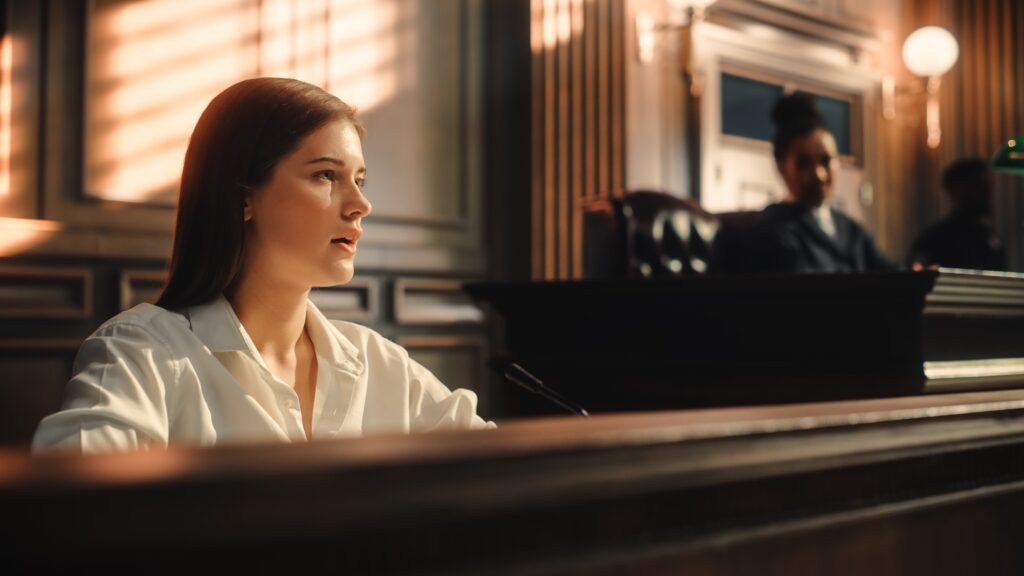
Jurors rely heavily on visual cues to judge sincerity. A credible witness uses body language that matches their words. They sit upright, make eye contact with the examining attorney and jury when appropriate, and keep movements minimal. Hands can rest on the table or lap. Shifting in a chair, crossing arms, or touching the face can distract from the message and signal discomfort or dishonesty. Attire matters too. A witness should wear professional, courtroom-appropriate clothing that fits well and doesn’t draw attention. Jurors expect witnesses to take the process seriously. Looking polished helps show respect for the court and the gravity of the case.
Attorneys should remind witnesses that jurors see everything, including reactions to opposing counsel or non-verbal cues during breaks. Practice sessions should include posture correction, practice maintaining eye contact under stress, and discouraging habits like sighing or shaking the head.
Consistent and Honest Answers
Jurors listen for consistency. If a witness contradicts themselves, it creates doubt. A credible witness gives direct, honest answers, even if that means admitting they don’t remember something. Guessing, speculating, or trying to over-explain damages credibility. Some witnesses think they need to have all the answers. They don’t. Jurors respect someone who says, “I don’t recall,” or “I’d need to see the document to confirm that.” They do not respect someone who talks in circles or offers rehearsed-sounding filler to avoid saying “I don’t know.”
Attorneys should review key facts and known weaknesses in advance. Help the witness recognize where gaps in memory are acceptable. Role-play cross-examination to help them practice giving honest, factual responses without looking evasive or unsure. Make it clear that sticking to what they know is the right answer.
Preparing A Witness To Appear Credible
Build Rapport Early
Start preparation by making the witness comfortable. Building trust and explaining roles reduces anxiety. That connection lets witnesses focus on facts instead of nerves.
Review Facts and Language
Work with the witness to review timelines, documents, and case details. Then coach them to use consistent language and avoid legal jargon. Keeping answers simple helps jurors follow and trust testimony.
Practice Questioning Scenarios
Run mock direct and cross-examinations. Let the witness explain their part and then face harder hypothetical questions. Simulating pressure improves composure, response quality, and helps avoid rambling answers.
Use Video Feedback and Dress Rehearsals
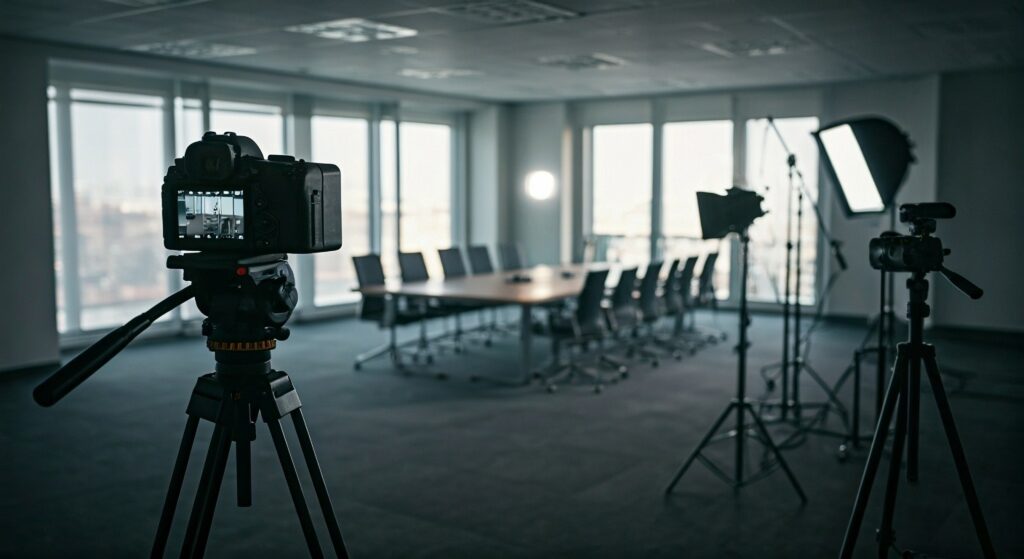
Record practice sessions or dress rehearsals in real or virtual settings. Watching themselves helps witnesses see body language issues or unclear phrasing. Setting similar lighting, background, posture, and attire to courtroom conditions helps them feel more natural under scrutiny.
Preparing For Virtual or Remote Testimony
Test Technology and Setup
Start with equipment checks. Optimize the camera at eye level, using a clean background, high-quality audio, and a wired internet connection when possible. Dress and lighting influence jurors even through a screen.
Train To Communicate On Screen
Teach the witness to look at the camera, not the image on screen, and how to use subtle facial expressions. Practice pauses before answering, speaking slowly and clearly, avoiding interruptions or overlap.
Simulate Real Depositions
Conduct mock remote sessions with opposing-style questioning. Provide feedback on eye contact, tone, posture, and handling exhibits online. Repetition builds comfort and confidence.
Avoiding Ethical Issues While Preparing Witnesses
Don’t Push Witnesses Toward Fabrication
Ethical preparation focuses on clarity and truth-telling. Coaching becomes illegal when attorneys guide or alter actual recollection, provide scripted testimony, or encourage omission of relevant facts.
Focus On Process, Not Content
Explain courtroom procedures, attorney roles, what to expect from questioning, and how to stay composed. That helps a credible witness feel in control without changing the substance of their testimony.
Teach Handling Cross-Examination
Support the witness in staying calm under challenge and avoiding defensiveness or speculation. Practicing these skills trains communication without altering the truthful account.
Let’s Build Testimony Jurors Trust
Attorneys who help witnesses appear credible increase persuasiveness, reduce risk of adverse interpretations, and strengthen storytelling. Structured preparation builds that credibility step by step. If you want someone to feel confident as a credible witness, Magna Legal Services can help. Our consultants tailor sessions to each witness. We coach communication style, refine messaging, and simulate courtroom or deposition settings. We focus on ethical preparation that enhances clarity, confidence, and consistency. Contact Magna today to schedule a consultation and start building testimony that jurors trust and respect.