

medical doctor taking notes on a tablet device representing the different types of medical records

The Different Types of Medical Records Attorneys May Need

In legal work, having the right medical files can shape a case from the earliest stages through trial. Attorneys often request key documents to build or defend a client’s position. The various types of medical records plays a central role here in knowing which types to seek helps legal teams act with precision and confidence. This article walks you through the major types of medical records, explains why each matters, and shows how legal professionals use them effectively.

Why Different Types of Medical Records Matter

When a client is involved in litigation, attorneys gather medical records to prove injury, show treatment, document costs and establish timelines. Each category of record offers unique value. Recognizing the types of medical records that matter means fewer delays and stronger arguments. Good practice involves identifying and retrieving these records early, while tracking chain‑of‑custody and authenticity.

Clinical Documentation

Clinical documentation covers the direct notes and reports from medical providers. This falls under one of the most important medical records, because it shows what a provider observed, decided, and treated.

Physician’s Progress Notes and Consult Reports

physician kneeled in front of patient who is sitting in a wheel chair

These include notes from doctors and specialists that describe the patient’s condition, diagnosis, treatment plan and progress. Attorneys often use them to trace injury onset and recovery trajectory. A progress note may reflect that a client complained of neck pain after an auto accident and received specific treatment.

Surgical and Procedural Reports

A surgical report (operative note) describes the steps of a procedure, the condition of the patient before and after, and the care provided. Because this type of document captures intervention by a provider, it is one of the vital types of medical records in cases involving operations or invasive treatment.

Diagnostic Reports and Lab Results

These records show objective data like x‑rays, MRIs, blood tests, pathology results. They complement notes by showing what tests confirmed. Among the types of medical records attorneys look for, these serve as strong evidence of tissue damage, dysfunction or disease presence.

Billing and Administrative Records

While clinical documentation shows care, billing and administrative records show cost, timing and financial exposure. They rank high among the medical records relevant in litigation when damages and reimbursement come into play.

Billings, Invoices and Itemized Services
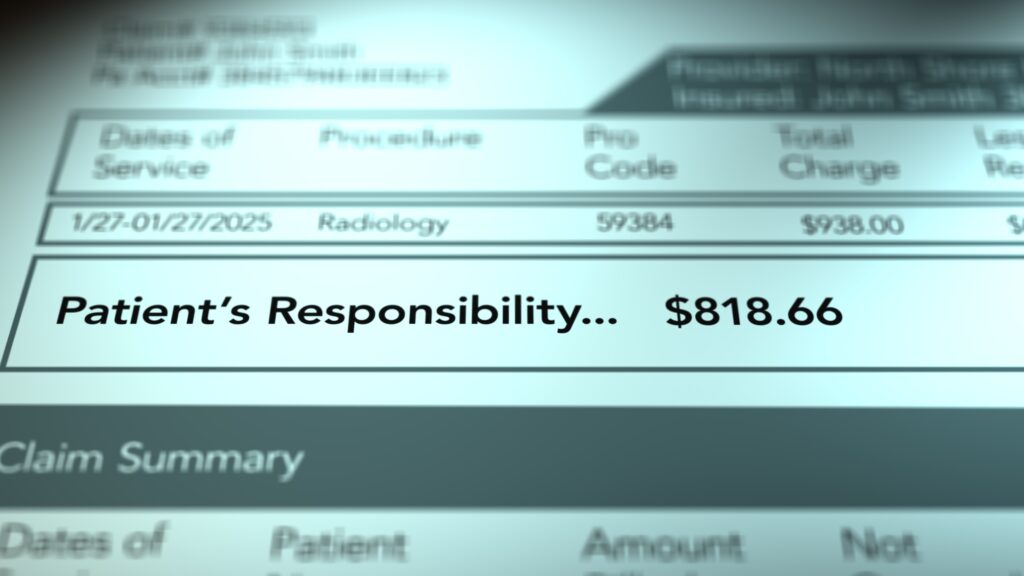
close up of total amount on a medical bill labeled patient responsibility

These records show what services were billed, when they were billed, and often link treatment to diagnosis. Attorneys use billing records to validate that care took place and to quantify damages. This is one of the recognized types of medical records that matter most in personal injury and product liability contexts.

Facility Intake and Discharge Records

When a patient enters a hospital or facility, intake and discharge documents track arrival time, admitting diagnosis, room changes, discharge condition and instructions. These contribute to the timeline of care and thus form another one of the essential types of medical records.

Insurance and Payment Histories

Records of what insurance was billed, what it paid, and what the patient owed help tie treatment to cost. They also help detect pre‑existing conditions or unrelated care. These are less glamorous, but important among the medical records attorneys track to validate damages and causation.

Mental-Health and Sensitive Records

Some types of medical records require special handling because of federal protection or state‑law limitations. Attorneys must identify these types and address consent, privilege or redaction issues.

Behavioral‑Health or Psychotherapy Notes

behavioral health practitioner speaking with a patient while taking notes

These documents often fall under heightened protection. They may exist separately and are among the types of medical records that attorneys must handle cautiously, sometimes requiring separate authorization or court orders.

Substance‑Abuse Treatment Records

Records of treatment for substance use disorders may have special statutory protections. If attorneys overlook these types of medical records, they risk missing relevant care or running into compliance issues during discovery.

HIV/AIDS or Genetic Test Results

Certain records about HIV status, genetic testing or reproductive health may be protected or require explicit patient consent beyond standard HIPAA release. These are specialized among the types of medical records and merit special retrieval planning.

Longitudinal and Cumulative Records

For many cases, looking at one snapshot isn’t enough. Attorneys look for broader treatment histories and patterns. Some of the types of medical records in this category include:

Medical History Summaries and Chronologies

A medical chronology is a document that distills years of treatment into a timeline: symptoms, diagnoses, treatments, results. Attorneys use it to show how conditions evolved, link events to a defendant’s conduct and prepare for deposition or trial.

Multiple Provider Records and Continuity of Care

If clients see different providers, clinics, or hospitals, records across settings are among the most significant types of medical records attorneys look for. Missing records from one provider can undermine a case. Retrieval services often emphasize gathering complete histories.

Pre‑Existing Condition and Baseline Care Files

Files showing what the patient’s health was like before the incident are also among the kinds of medical records attorneys need. They allow the legal team to separate new injury from old conditions, and to defend claims of causation and damages.

Organizing and Using the Records

Retrieving each of the relevant types of medical records is only part of the process. Attorneys must manage, review and use them effectively.

Verification and Authentication

Medical records must show reliability and authenticity. Legal teams must verify that documents come from the proper provider and maintain chain of custody. Some records might need custodian testimony or certification.

Highlighting Causation and Damages

Attorneys review the types of medical records with an eye toward causation (did the incident cause the injury?) and damages (what did treatment cost? how long did recovery last?). Chronologies, billing, diagnostic reports and progress notes all assist.

Organizing Records for Experts and Trial

A common pitfall emerges when critical types of medical records arrive late or in disarray. Attorneys benefit from a consistent filing system, early retrieval of all relevant records and clear indexing. Tools that mark gaps, missing providers or conflicting data make a difference.

Unique Obstacles and Tips

Attorneys face several common challenges when gathering the various types of medical records:

  • Some providers hold off responding to requests or require special authorization forms.
  • Electronic records and paper records differ; metadata, auditing and format matter when authenticating.
  • Incomplete provider lists or ambiguous time frames can lead to missing treatment records, leaving gaps in crucial types of medical records.
  • Securing sensitive records (behavioural‑health, HIV status, genetic tests) may require separate consents and special handling.

Pro tip: attorneys should create checklists of providers, use HIPAA‑compliant forms, request records as early as possible and track responses.

Get Your Medical Records Strategy Right

Don’t wait until the last minute to request records. Make a list of the medical records you need for your next case and start the retrieval process early. Let Magna be your trusted partner who can handle the heavy lifting of collection, review and organization, so you focus on strategy. Magna’s methodology and relationships with over one million hospitals & facilities across the U.S. ensure the quickest turnaround time in the industry. We use TrakView, Nurse Review, and HyperNav™ to ensure medical records are secure and organized.   Your next client will thank you and your case will be that much stronger.

CLE – The Power of Investigation: Navigating Cases with Investigative Services

This CLE was aired live on Thursday, December 17th, 2025.

NOTE: Watching this recording does NOT make you eligible for CLE accreditation. Be sure to sign up to attend the next Magna Virtual CLE live to get credit!

This CLE program provides attorneys and legal professionals with a strategic look at how modern investigative services can strengthen case preparation, reveal critical insights, and drive more informed decision-making. Participants will explore key investigative practice areas, including asset investigations, medical canvassing, skip tracing, traditional surveillance/sub rosa, and advanced social media intelligence techniques through ClaimScout+. Attendees will learn when and how to leverage each service, how investigative findings can influence litigation strategy, and best practices for integrating investigative workflows into case management.

By the end of the course, participants will understand the full power of targeted investigations in uncovering facts, mitigating risk, and achieving stronger outcomes for their clients.

PRESENTERS INCLUDE:

  • Manson Ho, Director of Litigation Solutions, Magna Legal Services
  • Spencer Brewer, Director of Business Development ‑ Investigations Specialist , Magna Legal Services

MODERATED BY:

  • Ross Suter, Esq., Senior Vice President, Litigation Solutions, Magna Legal Services

AI or Artificial intelligence concept. Businessman using computer use ai to generate a deposition summary for attorneys

How AI Can Help with Deposition Summaries

Writing a strong deposition summary often demands hours of work and intense focus. For busy legal teams, keeping up with multiple testimony transcripts can feel overwhelming. Fortunately, advancements in artificial intelligence have made it possible to produce accurate and efficient summaries without sacrificing quality. At Magna Legal Services, we have developed our own AI‑powered system to support deposition transcript summaries, helping attorneys focus on strategy rather than transcription.

What AI‑powered Deposition Summary Means

When we refer to a deposition summary, we mean a document that condenses the essential testimony from a deposition transcript, highlighting key admissions, acknowledgments, and relevant facts. Our AI‑driven tool begins by processing the full transcript. It then generates a detailed summary that includes page/line citations, a narrative of the testimony, and a table of contents for easy navigation. Rather than just a bullet list of highlights, the summary reflects the flow of dialogue, with hyperlinked citations back to the original transcript so you can check the source quickly.

Our method blends cutting‑edge technology with human oversight. AI handles the heavy lifting of extracting facts, organizing content, and tagging key statements. Then our human reviewers verify the deponent’s name, pronouns, page/line accuracy, and context to ensure the summary remains reliable and defensible.

Features That Improve Efficiency

Our deposition summary product offers several features that make it far more efficient than manual summary alone:

  • Page/Line Summary with Accurate Citations: Every passage in the summary corresponds to specific page and line numbers in the transcript, so attorneys can jump from summary to source in seconds.
  • Admissions & Acknowledgements Section: AI highlights the deponent’s key concessions, statements that support or oppose case themes, and other factually relevant acknowledgments. These are grouped and listed with citations.
  • Hyperlinked Navigation: The summary includes links that take you directly to the original transcript for review. That saves time and minimizes error when preparing motions or cross‑examination.

By combining these features, legal teams access faster, more focused summaries without losing control of the details.

How To Get the Most Out Of a Deposition Summary

Define the Right Output Format

Before you request a deposition summary, decide whether you need a full narrative, a topic‑by‑topic summary, or just a list of key admissions. Our AI platform supports multiple output types, for example a full chronological summary of the transcript, a memo organized by issue, or a shorter highlight sheet of admissions. Selecting the proper format from the start increases usefulness and reduces the need for revision.

Review Important Sections Promptly

Once you receive your deposition summary, check the admissions and acknowledgments section first. These often contain the most case‑critical statements. Because the summary links back to source transcript, you can verify anything quickly. Review the sections with page/line citations and verify accuracy of pronouns, names, and context. Our process covers this, but your subject‑matter knowledge remains essential.

Integrate the Summary Into Trial Prep

Use the deposition summary as a foundational tool for witness preparation, cross‑examination outlines, and expert briefings. The AI‑powered summary saves you time during review, freeing you to focus on strategy. For example, cross‑examination can build directly from page/line citations of inconsistent testimony or admissions. Because the summary provides organized access to the transcript, you’ll spend less time flipping through pages and more time refining your questions.

Security and Quality Control You Can Trust

Office, computer and woman with glasses, serious or reading and proofreading a deposition summary

Magna’s AI‑powered deposition summary platform was built with security, accuracy, and quality in mind. We store all data on SOC 2-compliant cloud infrastructure with encryption at rest and in transit. Periodic key rotation adds another layer of protection, and we maintain strict zero‑retention policies when using any external language models.

To enhance reliability, Magna has developed a proprietary patent-pending “rigid” mechanical model that works alongside AI to lock in precision where it matters most:

  • Accurate Page/Line Citations: Every citation is hyperlinked and begins with the related question, offering context and eliminating the guesswork. Our system ensures citation ranges are never too broad or too narrow.
  • Correct Deponent Names and Pronouns: Our human reviewers check every summary to confirm names and pronouns match the transcript. If an error is found or a name is ambiguous, we fix and redeploy the file quickly and at no charge.
  • Accurate Parsing and Text Extraction: The system occasionally pulls in headers or timestamps from transcripts. If that happens, our team re‑runs the file to remove errors at no cost to the client.
  • Comprehensive Testimony Coverage: We deliver 100% dialogue coverage, ensuring no important facts or statements are skipped.

We offer three summary formats depending on your needs:

  • Deposition Memo: Focused summary organized by legal or factual themes.
  • Page/Line Summary: Full transcript coverage with citations throughout.
  • Key Admissions: A fast-reference list of the deponent’s most impactful statements.

Keeping Errors in Check

While AI is highly efficient, it’s not perfect. Sometimes it can misinterpret vague or ambiguous testimony. Our hyperlinking makes it easy to double-check the source text. If major misinterpretations occur, we’ll revise and return the summary free of charge.

Preventing Hallucinations

Content not grounded in the original transcript, referred to in AI-speak as hallucinations, are rare due to several safeguards:

  • We use state-of-the-art models trained for summarization.
  • We feed the model tightly segmented transcript sections for better focus.
  • Human reviewers scan for disconnected or awkward language.

If hallucinations appear, they often share patterns, making them easier to detect. We flag and fix them promptly to keep your summaries accurate and case-ready.

Why This Matters for Trial Readiness

When teams face large volumes of testimony, the demand on attorneys and support staff increases rapidly. A deposition summary powered by AI helps reduce review time, lowers risk of missed testimony, and keeps preparation focused on case strategy rather than document management. The summary becomes a tool your trial team uses confidently, knowing that critical facts, admissions, and page/line references are organized, accurate, and immediately accessible.

Ready to Enhance Your Deposition Summaries?

Contact Magna Legal Services today to discover how our AI‑powered deposition transcript summary can support your case. Let us handle the details so your team can concentrate on winning.

businessman handing over a brown folder across the desk containing an errata sheet

What is an Errata Sheet?

When a court deposition transcript contains a mistake, an errata sheet gives the witness a chance to fix it. This document lets the witness clarify or correct what they said during their testimony. While it might seem like a small step, an errata sheet can change how testimony is read and understood later. It helps ensure the final transcript reflects what the witness meant to say. Understanding what an errata sheet is and how it works can help lawyers, court reporters, and witnesses avoid surprises. It also helps legal teams prepare for trial with accurate records.

Why an Errata Sheet Matters

Deposition transcripts become part of the case record. Judges, juries, and attorneys may read them closely. If a transcript includes errors or unclear language, it can confuse the facts. A simple transcription mistake or a poorly worded answer can shift how the testimony appears. The errata sheet protects against this. It allows witnesses to review the transcript and correct errors in spelling, grammar, or substance. This process helps keep the record clean and reliable. For example, if a witness said “$15,000” but meant “$50,000,” the correction on the errata sheet makes a big difference. The sheet doesn’t erase the original statement, but it gives the witness a chance to explain or fix it.

What Can Be Changed with an Errata Sheet?

An errata sheet isn’t for rewriting testimony. Courts usually allow changes in three main areas:

Spelling or Grammar Errors

If a name is misspelled or a sentence sounds confusing because of a punctuation mistake, the errata sheet allows the witness to make the fix. These types of changes are common and usually go uncontested.

Misstatements

Sometimes, a witness says the wrong thing by accident. Maybe they reversed two numbers or gave the wrong date. An errata sheet allows them to fix those statements, as long as they also provide a reason for the correction.

Clarifications

If the original answer was unclear, a witness can use the errata sheet to better explain what they meant. This doesn’t mean changing the entire answer, just making it clearer.

Rules and Deadlines to Know

Courts don’t accept corrections forever. Federal Rule of Civil Procedure 30(e) gives a witness 30 days to review and make changes to their deposition transcript. That clock starts when the transcript is made available. The witness must sign the errata sheet and usually give a reason for each change. This sheet is then attached to the original transcript, so both the original and corrected versions are part of the record. Some state courts follow different rules. A few limit the types of changes a witness can make. That’s why it’s important for attorneys to check the local rules before expecting changes to be accepted.

Can Errata Sheets Be Challenged?

Yes. Attorneys can question changes made on an errata sheet. If a correction seems like an attempt to change the meaning of the testimony, opposing counsel may bring it up in court. For example, if a witness originally said they didn’t see something, and the errata sheet later says they did, that’s a big shift. A judge may allow the correction to stay on the record, but the opposing attorney can use the original answer to question the witness’s credibility. This is why attorneys pay close attention to what is written on an errata sheet. It can open the door to follow-up questions or even lead to recalling the witness.

Who Prepares the Errata Sheet?

Court reporters usually provide the errata sheet along with the transcript. The witness then reviews the transcript and fills out the sheet, listing each correction by page and line number. They also must give a brief explanation for each correction. Legal teams should guide their clients through this process. A rushed or careless correction can raise red flags. Taking time to carefully review the transcript helps protect the case.

What Happens After the Errata Sheet Is Submitted?

Once the witness signs the errata sheet and returns it, the court reporter attaches it to the original transcript. Both become part of the legal record. This allows anyone reviewing the case including judges, attorneys, or juries, to see the original answers and the changes. This process keeps the record transparent. It doesn’t erase what was first said but offers clarity when needed.

Need Help Managing Deposition Records? Let’s Talk

Handling deposition transcripts and errata sheets correctly saves time and stress down the line. Magna Legal Services helps legal teams manage these details with expert court reporting, transcript preparation, and support. We understand how much every word matters. Our team ensures you get clean, accurate records on time and without added hassle.

If you’re dealing with errata sheets and deposition prep, let us help make the process easier. Reach out to Magna Legal Services today.

Diverse joyful people chatting on business meeting. Company employees talking in office and making great decisions for how to select litigation support services

How to Select The Right Litigation Support Services

Legal teams face real pressure to move quickly, stay organized, and keep costs under control. Having the right litigation support services can help you meet tight deadlines, prepare stronger cases, and keep your clients informed. But knowing how to select litigation support services that truly help your team is just as important as the services themselves.

Below, we highlight the most important services to look for, how they’re used in different case scenarios, and what to ask before making a choice.

Know What Services You Need

Litigation support includes a wide range of services. The best partner will offer more than one solution, but it helps to know which services matter most to your case.

Court Reporting

Accurate transcripts are essential. Professional court reporters provide real-time transcription, video depositions, and synced transcripts that save your legal team hours of review. If you’re handling expert testimony, high-stakes depositions, or multiple parties, court reporting services are a must.

Record Retrieval

Fast and secure access to medical, employment, or insurance records can make or break case timelines. This service is especially useful in personal injury, medical malpractice, and employment litigation. Look for providers that offer national reach, HIPAA compliance, and built-in tracking tools.

Legal Videography

Video depositions capture more than just words. A witness’s tone, facial expressions, and pauses can all impact a jury. Legal videography is valuable in high-value cases, emotional testimony, or when you plan to use video at trial.

Translation and Interpretation

Clear communication matters, especially when clients, witnesses, or documents involve multiple languages. Certified translation and real-time interpretation services help avoid delays and misunderstandings. These services are critical in immigration law, international business disputes, and multilingual depositions.

Jury Consulting

Pre-trial research, mock trials, and jury selection consulting can help shape your trial strategy. This service benefits high-risk civil trials and criminal defense cases where juror bias or complex evidence could affect outcomes.

Graphics and Trial Presentation

Strong visuals make it easier for jurors and judges to follow your argument. Professional graphics and trial presentation services help simplify complex information. These tools are useful in construction disputes, patent cases, and commercial litigation involving technical evidence.

Match Services to Your Case Needs

Different cases need different levels of support. Knowing how to select litigation support services means thinking about the size, timeline, and complexity of each matter. If you’re handling dozens of depositions across different states, you’ll need a provider with nationwide scheduling and virtual deposition support. If your case hinges on hundreds of pages of medical records, a dedicated record retrieval team can save hours of staff time. On the other hand, a single high-profile trial may benefit more from jury consulting, trial graphics, and real-time video services. The best litigation support comes from partners who can scale with your needs and customize services without creating extra headaches.

Ask the Right Questions

Choosing the right provider goes beyond just checking a service list. You want a partner who understands the legal field, delivers consistently, and makes your work easier.

Here are a few smart questions to ask:

  • How fast can they deliver transcripts or records?
  • Do they offer 24/7 scheduling or support?
  • Are their services available nationwide?
  • What platforms do they use for virtual services?
  • Do they have experience with your type of case?

Look for providers who offer transparency, easy communication, and strong client reviews. Technology matters too. The best partners offer user-friendly tools for scheduling, document sharing, and remote access.

Consider the Stress Factor

High-stakes cases come with high stress. The wrong support partner can make things worse. Late transcripts, missed appointments, or poor communication can throw off your timeline and damage your client’s confidence. Knowing how to select litigation support services also means choosing people you trust. Reliable support lets your team stay focused on legal strategy rather than chasing paperwork or fixing mistakes.

Quality Support Saves Time and Money

Good litigation support isn’t just about convenience. It can lead to real savings by cutting down on errors, speeding up timelines, and helping your team avoid costly delays. When you know how to select litigation support services that match your needs, you avoid wasting money on extras you don’t use and missing critical tools you actually need. That balance is what makes your firm more efficient and competitive.

Let’s Build a Stronger Case Together

Magna Legal Services offers nationwide court reporting, medical record retrieval, language services, jury consulting, trial graphics, and more. We work closely with legal teams of all sizes to reduce stress and help you stay on track. If you’re ready to partner with a litigation support team that’s experienced, responsive, and easy to work with, contact Magna today.