
Voir dire expert witness proceedings can shape the outcome of a trial before testimony even begins. When attorneys question potential expert witnesses, they consider more than resumes. They judge credibility, test opinions, and assess how well the expert can withstand cross examination from opposing counsel. This process matters because jurors pay close attention to experts. Effective voir dire expert witness questioning can expose weaknesses and build confidence in an expert’s testimony.
Purpose of Voir Dire For Expert Witnesses
Voir dire focuses on two main goals. The first is screening, which confirms the expert knows their field and can explain it clearly. The second is strategy, which helps attorneys anticipate how the expert’s testimony will play to jurors. Thoughtful voir dire expert witness questioning reduces surprises later in the case. Jurors listen closely when experts speak. If an expert stumbles over basic questions during voir dire, jurors might doubt their competence. On the other hand, if the expert responds confidently and clearly, jurors are more likely to trust their testimony. Attorneys must evaluate both substance and delivery.
Preparing for Voir Dire With an Expert
Study the Expert’s Background
Before any questioning, attorneys must review the expert’s curriculum vitae, publications, prior testimony, and professional affiliations. Familiarity with this material allows specific and targeted questions during voir dire expert witness sessions. General questions reveal limited information, but precise, pointed questions show how deeply the expert understands their area. Rather than asking about the number of years an expert has worked, attorneys should explore the depth of that experience. Have they applied the methodology at issue in real cases? Can they explain why one method outperforms alternatives? Answers to these questions show whether the expert is qualified and whether they can communicate clearly.
Outline Key Topics to Cover
Create a list of subjects to cover during voir dire. These include:
- Educational credentials and continuing education
- Professional work that directly relates to the subject matter
- Prior testimony, including how often and in what settings
- Methodological approaches and whether those approaches are accepted in the field
- Fee arrangements and potential bias
Having a checklist helps attorneys ensure they cover vital ground without overlooking critical points. It also helps maintain a logical flow during questioning.
Conducting Voir Dire Expert Witness Questioning
Start With Credentials
Early in voir dire, attorneys should ask about core qualifications. These include degrees, certifications, licenses, and board memberships. Attorneys should also question where and how the expert applies these qualifications in practice. A witness with years of experience but no formal training in a specific method relevant to the case might struggle to justify their opinions. Jurors notice when experts speak confidently about credentials that matter to the case, rather than those that appear impressive but lack relevance.
Probe Real World Experience
Attorneys should ask the expert to describe how they have applied their expertise outside textbooks and theory. Real work examples carry weight. Jurors value practical experience. When an expert describes real scenarios and decisions, jurors get a clearer picture of what that expert brings to the case.
Questions that help uncover this include:
- Describe a case where you applied this technique in a live setting.
- What were the outcomes?
- How did you handle unexpected challenges?
These questions test both knowledge and the expert’s ability to communicate complex topics understandably.
Evaluate Methodology
Experts often base testimony on specific methods or models. During voir dire, attorneys should ask the expert to explain those methods in simple terms.
Attorneys should evaluate whether:
- The methodology is widely accepted in the field
- The expert can explain why it’s accepted
- There are recognized limitations
Jurors respect experts who acknowledge limits. Experts who claim absolute certainty risk losing credibility if cross examined.
Explore Prior Testimony
An expert’s track record in court reveals patterns. Attorneys should ask whether the expert has testified on similar matters before. They should also follow up with questions about how judges or opposing counsel responded to their testimony. Patterns of challenges or exclusions signal potential issues.
Specific follow ups could include:
- Were your opinions challenged on methodology?
- Did the judge sustain objections to your testimony?
- Have opposing experts disagreed with your conclusions?
Answers to these questions provide valuable cues about how the expert might perform under pressure.
Assess Communication Skills
Communication matters in court. Some experts possess strong technical knowledge but struggle to translate it into plain language. Voir dire expert witness questioning must test this skill directly. Attorneys should ask the expert to explain a technical concept in straightforward terms. Jurors and judges prefer witnesses who make complex subjects easier to understand. Experts who rely on jargon or dense explanations risk losing their audience.
Red Flags During Voir Dire
Certain responses or behaviors during voir dire could signal trouble ahead. Attorneys should watch for:
- Vague or evasive answers
- Inability to explain basic principles
- Overreliance on technical jargon
- Defensive reactions to reasonable questions
- Inconsistencies in stated experience
If attorneys observe these signs, they should question whether the expert can withstand rigorous cross examination.
How Attorneys Can Improve Voir Dire Expert Witness Sessions
Practice With Mock Questioning
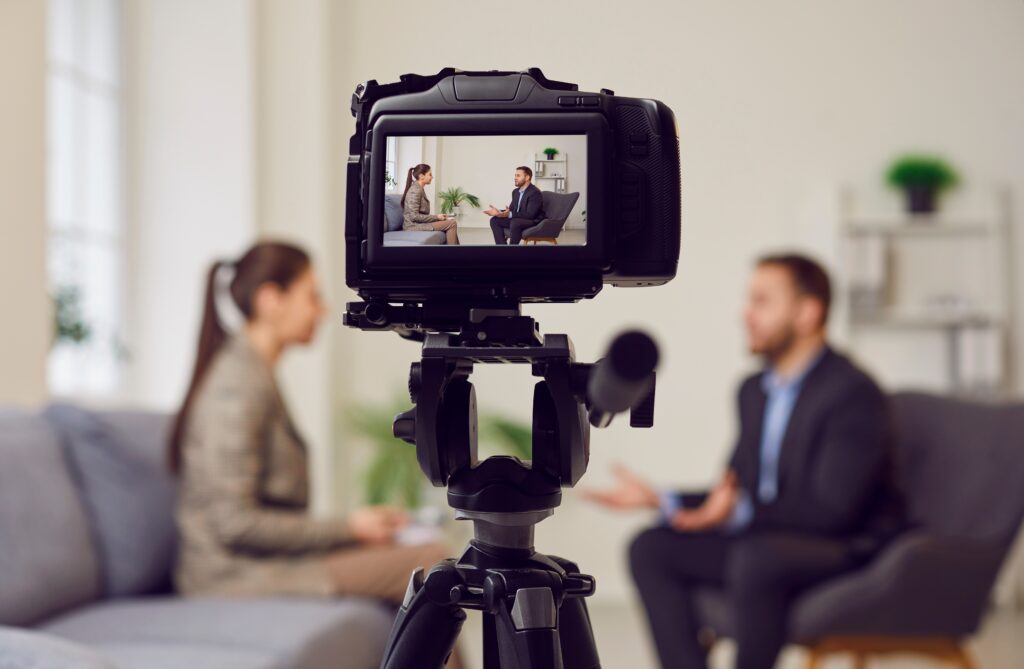
Attorneys can simulate voir dire expert witness questioning in practice sessions. Role play with colleagues and have someone act as the expert. Mock questioning helps refine inquiries and reveals weak spots in how questions are asked. Practicing also helps attorneys anticipate the expert’s responses. With rehearsal, attorneys can pivot effectively when an expert gives unexpected answers.
Use Objective Standards
Attorneys should tie questions to objective standards where possible. When experts base opinions on established industry standards, attorneys should ask them to explain why those standards apply. Objective references strengthen the expert’s credibility. Jurors appreciate testimony grounded in widely recognized principles.
Review Prior Testimony Transcripts
If experts have testified before, attorneys should read transcripts of those sessions. These transcripts often reveal patterns in how experts answer certain questions. Reviewing them can show whether the expert answers clearly under pressure or tends to circle back to vague language.
Voir Dire Expert Witness Through the Jury’s Eyes
Jurors want trustworthy guides through complex topics. When attorneys ask clear, focused questions during voir dire, jurors start forming impressions early. Many jurors may know little about the subject at hand, so they evaluate experts based on how well those experts make concepts accessible. If jurors hear confident and clear responses, they tend to trust the expert. If an expert pauses frequently, uses jargon without explanation, or contradicts themselves, jurors notice. Attorneys must help jurors see the expert as reliable, straightforward, and credible.
Strategic Uses of Voir Dire Beyond Qualification
Voir dire expert witness questioning can also serve strategic purposes. Attorneys might use voir dire to frame the expert’s role in neutral language, lower juror defenses, clarify what the expert will and will not discuss, and set expectations for complex explanations. By guiding jurors early, attorneys can reduce confusion when the expert testifies on substantive points later in the case.
Common Mistakes During Voir Dire Expert Witness
Attorneys should avoid these frequent errors:
- Asking broad or unfocused questions
- Ignoring communication ability
- Overlooking fee arrangements
- Allowing the expert to dominate the session
- Falling into friendly conversation without testing key opinions
Staying purposeful during questioning ensures that voir dire serves its full purpose. Lawyers must balance respect for the expert with careful scrutiny. When attorneys skip rigorous voir dire, problems arise later in the case:
- Expert testimony may be excluded
- Opposing counsel may exploit weaknesses
- Jurors may distrust the expert
- The expert might contradict earlier statements
Poor voir dire increases the risk that an otherwise credible expert underperforms in trial.
Making Voir Dire Work for Your Case
Successful voir dire starts long before lawyers step into the courtroom. Preparation, clear and targeted questions, and active listening all matter. Attorneys should think through how every question affects the expert’s credibility. When attorneys prepare and execute voir dire expert witness questioning carefully, they strengthen the expert’s testimony and enhance the overall case.
Boost Confidence and Clarity in Voir Dire with Magna Legal
Magna Legal helps attorneys prepare experts for voir dire and trial. Our services include expert coordination, testimony preparation, and practice sessions that improve communication and confidence. We assist in organizing materials, refining expert statements, and ensuring that your expert delivers clear and credible testimony. We support attorneys with logistics and materials so they can focus on strategy. Whether you need help gathering prior testimony, organizing qualifications, or setting up mock voir dire sessions, Magna Legal provides reliable legal support.
Contact Magna Legal for assistance that strengthens your expert witness planning and preparation. We work with your team to make sure your expert performs at their best when it matters most.