

Category: Corporate News and Notes
Court Reporter Chronicle Spring 2018

Lee Diamondstein Nominated as Subcommittee Chair

Congratulations to our very own Lee Diamondstein, Vice President of Strategic Accounts at Magna Legal Services, for his nomination for the Subcommittee Chair of the ABA Mass Torts Subcommittee on Experts and Evidence. In this role, Lee will be involved with participating in monthly committee calls, contributing to newsletter and website articles, supporting programming activities, and assisting in the recruitment of new members.
CBS’ New Show “Bull” vs. Real Life Trial Consulting
It has escaped precisely nobody that the new CBS drama “Bull” is playing a bit loose with the truth. In fact, that’s part of the joke. The title character is Dr. Jason Bull, played by Michael Weatherly, and he certainly looks quite a bit different than the real-life character he is based on: Dr. Phil McGraw. The idea is that he uses advanced technology and brilliant psychological insights to help the wrongly accused. Half CSI technology expert and half psychiatrist, he helps them develop bulletproof defense strategies and predict exactly how juries will react to the evidence and the testimony.
Deposition Procedure: Understanding the Process of a Deposition
Crime drama shows would have you believe that surprise witnesses can be called whose testimony rocks the very foundation of the courtroom. In reality, the deposition procedure prevents this from happening. The deposing of a witness is part of the discovery phase, and it takes place when an individual who will eventually testify is interviewed under oath but before trial. You can learn about depositions here if you are truly unsure on the matter and looking for valuable knowledge on how they work.
The deposition occurs after the filing of a summons and it serves several purposes. The primary purpose of a deposition is to find out what the witness knows. Every piece of evidence to be presented should be known prior to the trial’s beginning, and this includes witness statements. And although depositions are considered hearsay and inadmissible in a trial, their second purpose is to preserve testimony.
Collecting depositions is an integral part of any trial. This is why legal professionals should fully understand every step in the deposition process.

Jury Selection Advice for Prosecutors

Overwhelmed by the jury selection process? The American Bar Association encourages attorneys to use the expert services of jury consultants due to the subtle nature of determining inherent bias in potential jurors. But it is still the responsibility of the lead trial lawyer to choose and manage the experts, to question the prospective jurors and to make the final decisions about challenges and strikes. So here are a few things to keep in mind.
Realtime Court Reporting Benefits Uncovered

Magna Legal Services provides real-time court reporting to help you review and refer back to a hearing or trial transcript instantly. With real-time court reporting, you don’t need to incur a delay waiting to note exactly what happened and how you should respond. Realtime court reporting allows you to work effectively and efficiently with your Austin attorneys. This service helps you keep your case on track and meet all necessary deadlines, and it minimizes the wait time for a resolution.
Behind The Scenes of Jury Consulting
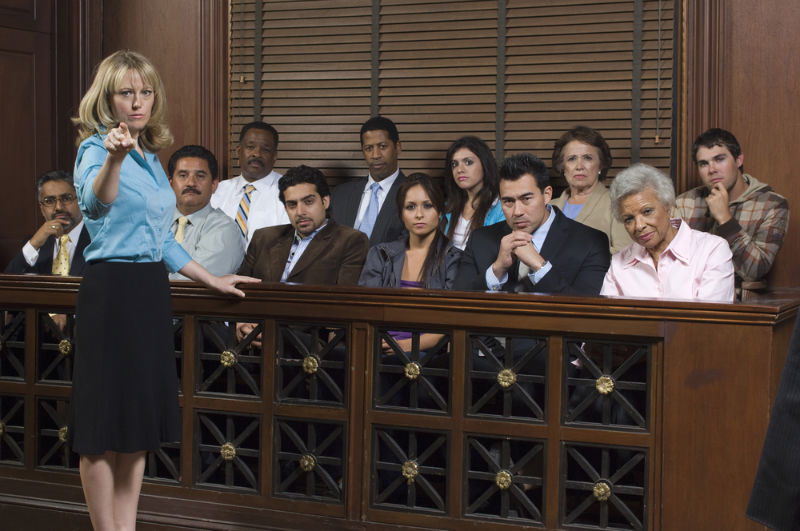
If a case goes to trial, you can rest assured that there’s an arduous process ahead of you. After all, if the case was as “open and shut” as you sometimes hope, there would’ve likely been a plea deal or settlement before it ever got to trial. Once a case ends up in the courtroom, everyone is on an equal playing field. No matter how great an attorney is or how obvious the eventual verdict seems, there are no guarantees. This is why legal professionals around the world now utilize jury consulting services to gain the upper hand.

5 Unique Tips to Jury Selection for Civil Cases

Jury selection is perhaps the single most important component of court proceedings, especially in civil cases. Any mistake during this early step can literally make or break your case. Even worse, you may not realize you’ve made the mistake until it’s far too late to rectify the issue — and save your verdict.
To avoid any common mistakes, use these five tips to improve your jury selection for civil cases.
Understand the Rules of Jury Selection
The last thing you want is to find out that your opponent has grounds for appeal because you made a mistake while selecting your jury. Even worse, since both parties can appeal a civil judgment, you’re not protected simply because you’re on the defending side of the courtroom, unlike in criminal cases.
Every state and local jurisdiction has its own set of rules for jury selection, but these are some of the most frequent and universally applicable:
Jury Size
In most cases the size of your jury will be 6 to 12 jurors, so make sure you’re planning your choices accordingly. Six is the de facto standard in most jurisdictions, but you’ll often have grounds to ask for a larger jury during negotiation with the presiding judge and your opponent counsel.
Alternates
You’ll usually have to designate a pool of alternate jurors who will only take their place in the jury if a primary juror is removed or excused from the proceedings for some reason. Accordingly, you want to make sure your alternates are just as good a fit for your side as the primaries are because it’s perfectly possible they’ll become primary jurors themselves.
Dismissals
Both sides of the case will have a chance to ask jurors questions that might reveal why they’re biased or otherwise unfit to serve as an objective observer of the proceedings. In that case, you’ll have a number of chances to dismiss a juror for cause.
However, you’ll also have a set number of chances to dismiss jurors with a peremptory challenge, effectively “because we want to.” Make sure you’re not wasting a peremptory challenge on a juror if you can argue they should be dismissed for cause instead.
Create a Juror Profile
A juror profile lets you create a statistical outline of your most probable beneficial and detrimental jurors. Juror profiles can include basic information like simple demographic data, but for the best results it should also include information that’s tailored to your specific case. For example, if your case involves a specific industry, you’ll want to make sure your juror profile can identify prospective jurors who are likely to be sympathetic or antagonistic to players in that industry.
Juror profiling is a complex endeavor. Learn more about how juror profiling research can help you with the jury selection process.
Show Appreciation for Pontential Jurors’ Time
Most of the jurors you’ll be in contact with are going to feel as if they’re suffering a burden because they were selected for jury duty. Accordingly, you need to ensure that you’re showing appreciation and respect for the time they’re being forced to give you. Doing so will establish a good relationship and can make them more likely to answer your questions honestly and openly.
Conversely, getting on a potential juror’s bad side can make them hostile to your case. In the worst scenario, they may even keep that hostility a secret and only reveal it by voting against you in the deliberation room.
Whatever the case, you’re going to struggle unnecessarily to elicit biases and disqualifying factors during juror questioning if they’re already hostile towards you.
Ask About Their One Degree Removed Experiences
In every jury selection process your goal is to find people who are clearly disqualified to objectively evaluate a case because they have some relation or connection to the case’s players or context. However, you also need to ensure you’re assessing their “one degree removed” experiences.
For example, if your case involves a large construction company, your first step is to find out whether a juror has any connection to the construction industry. But you’re not done there — you also need to find out how they’re connected to any one degree removed factors. For example, have they been involved in a civil lawsuit for a large company in any industry? Have they ever had a bad experience with home renovations, or plumbing, or even any contractor of any type?
Their answers to those questions could reveal a bias that’s worthy of dismissal.
Be Aware of Preconceived Notions
Always remember that you’re not just monitoring the jurors’ biases, you’re monitoring yours as well. Be aware of any stereotypes that might be blinding you to the actual opinions of jurors.
By monitoring your own perceptions in those areas, you can ensure that you’re genuinely finding the best jurors, and not simply those you’d expect to be the best.
With proper planning and good execution, you can ensure you pick the jury that’s most likely to rule in your favor.
Ready to start your trial?
Speak with a Magna Consultant to see how a jury consultant can assist you.
Request a Complimentary Case Consultation
with one of Magna’s expert jury consultants.
Related Articles:
Litigation Terms to Know for Trial

Litigation (the process of resolving civil disputes through the public court system) can be complex; even trained lawyers occasionally forget some terminology. That is why we put together this extensive guide on litigation terms that you’ll need to know for trial.