
Every trial depends on more than the evidence presented in court. Jurors must evaluate testimony, weigh conflicting accounts, and decide which version of events they believe. Although attorneys spend significant time preparing legal arguments, the outcome often depends on how jurors process and interpret the information they receive.
That is why understanding jury decision making psychology deserves careful attention. Jurors bring their own experiences, beliefs, and expectations into the courtroom. Those influences shape how they assess credibility, organize evidence, and reach conclusions during deliberations. Attorneys who understand these patterns can build stronger case strategies from voir dire through closing arguments.
Why Jury Decision Making Psychology Matters
Jurors do not evaluate every piece of evidence in isolation. Instead, they naturally organize information into a story that explains what happened. As witnesses testify and exhibits are introduced, jurors continuously adjust that story based on new information. This process explains why a clear case theme matters so much. When evidence consistently supports one narrative, jurors have an easier time connecting facts and remembering important testimony. If a case lacks organization or presents conflicting messages, jurors may struggle to understand how individual pieces of evidence fit together. Research into jury decision making psychology shows that people often remember stories more easily than disconnected facts. Attorneys who present a logical sequence of events help jurors retain information throughout lengthy trials.
Mental Shortcuts Shape Juror Decisions
Every person relies on mental shortcuts to process large amounts of information. Courtrooms present an especially demanding environment, requiring jurors to process testimony, legal instructions, expert opinions, and documentary evidence over several days or weeks. One common pattern involves confirmation bias. Once jurors begin leaning toward a particular explanation, they may give greater weight to evidence supporting that view while paying less attention to conflicting information. Attorneys can reduce this risk by addressing weaknesses openly rather than hoping jurors ignore them. Anchoring creates another challenge. Early information often influences later decisions, even after jurors hear additional evidence. Strong opening statements and well-organized early testimony can establish reference points that remain influential throughout the trial.
First Impressions Influence Credibility
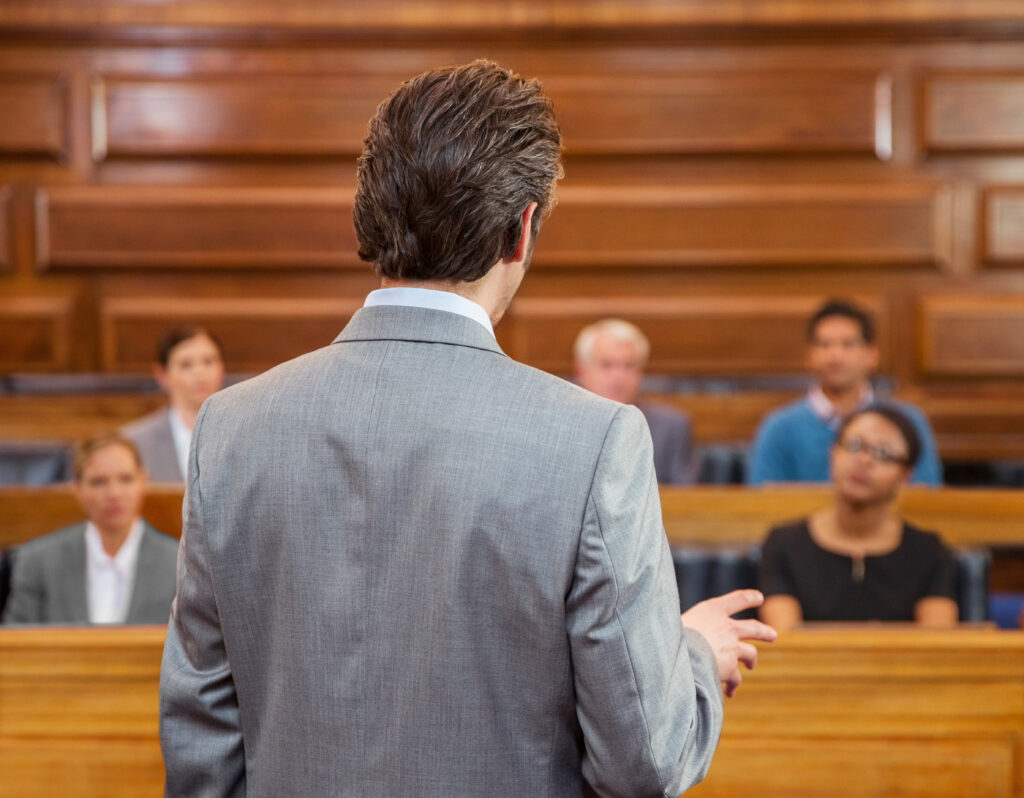
Jurors begin evaluating credibility almost immediately. They notice how attorneys present themselves, how witnesses answer questions, and how confidently each party communicates. Witness preparation plays an important role in building credibility. Jurors generally respond well to witnesses who answer naturally, remain consistent, and acknowledge reasonable limits in their knowledge. A witness who appears overly rehearsed or defensive may lose credibility even when the underlying testimony remains accurate.
Emotion and Logic Work Together
Jurors strive to follow the law and base their verdicts on evidence. Even so, emotional responses naturally influence how people remember testimony and evaluate credibility. Effective trial presentations connect emotional themes directly to the facts of the case. Personal stories supported by reliable evidence often leave stronger impressions than technical explanations alone. Attorneys should never rely on emotion instead of evidence, although presenting the human side of a case helps jurors understand why the facts matter.
Voir Dire Provides More Than Jury Selection
Many attorneys view voir dire primarily as an opportunity to identify potential bias among jurors. It also serves as one of the best opportunities to learn how prospective jurors think. Open-ended questions encourage meaningful conversations that reveal attitudes toward lawsuits, corporations, law enforcement, medical providers, or personal responsibility. Those discussions often uncover experiences that influence decision-making throughout the trial. Patterns across multiple jurors frequently prove more valuable than isolated responses. Shared attitudes may identify themes that deserve attention during opening statements, witness examinations, and closing arguments.
Witnesses Often Matter More Than Documents
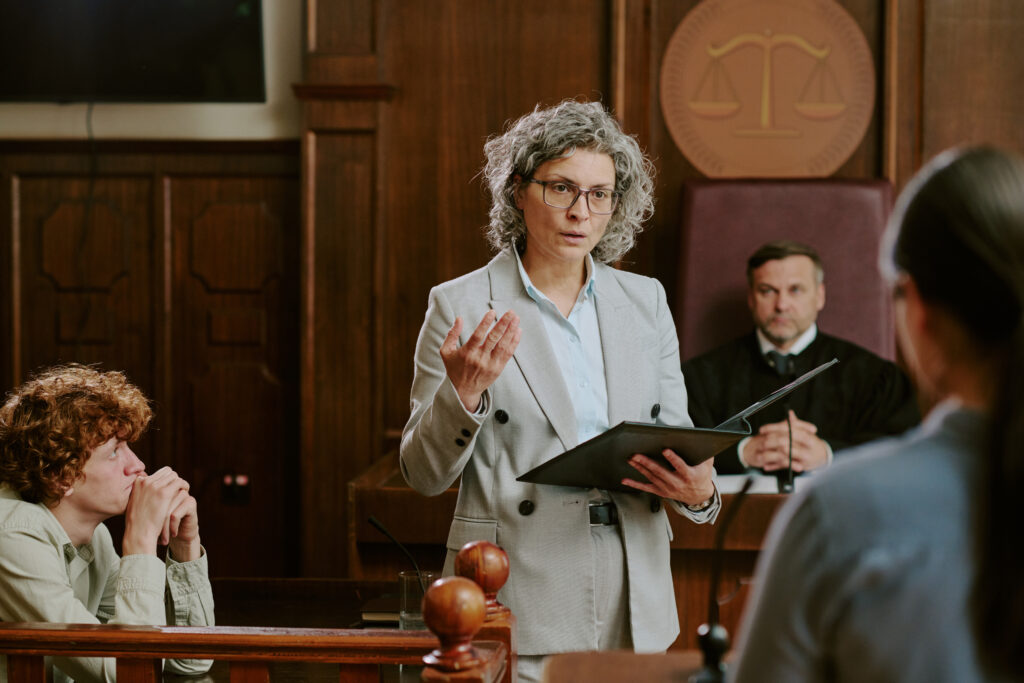
Documents and expert testimony remain critical pieces of many cases, yet jurors often place greater emphasis on witness credibility. They evaluate confidence, honesty, consistency, and demeanor alongside the substance of the testimony itself. Witnesses who communicate clearly without exaggeration generally earn greater trust. Jurors appreciate honest answers, including admissions when a witness does not know something. That type of authenticity often strengthens credibility rather than weakening it. Attorneys should prepare witnesses to explain complicated subjects using everyday language whenever possible. Clear communication helps jurors stay engaged and improves retention during deliberations.
Visual Evidence Strengthens Retention
Visual exhibits help jurors organize information more effectively than spoken testimony alone. Timelines, diagrams, photographs, and demonstrative exhibits reinforce key points while making complicated facts easier to understand. The strongest visuals support witness testimony instead of distracting from it. Every exhibit should reinforce the central narrative and help jurors connect important pieces of evidence.
Jury Research Improves Trial Preparation
Many successful trial teams test their cases before appearing in court. Mock trials, focus groups, and jury consulting allow attorneys to observe how potential jurors react to evidence, witnesses, and legal arguments before trial begins. Participants frequently identify confusing testimony, weak themes, or exhibits that fail to communicate effectively. Those observations give attorneys an opportunity to refine their presentations well before entering the courtroom. Jury decision making psychology becomes much more practical through jury research because attorneys receive feedback from people who closely resemble the actual jury pool. Rather than relying on assumptions, trial teams can adjust their strategy based on measurable reactions and thoughtful discussion.
Turn Jury Psychology Into a Trial Advantage
Understanding jury decision making psychology gives attorneys an advantage long before opening statements begin. Strong trial preparation combines legal analysis with an appreciation for how jurors process information, evaluate credibility, and make decisions during deliberations. Attorneys who recognize these patterns can develop stronger themes, prepare witnesses more effectively, and present evidence in a way that is easier for jurors to follow and remember.
Build a Stronger Jury Strategy With Magna Legal Services
Understand Your Jury Before Entering the Courtroom
Successful trial preparation requires more than strong arguments—it requires understanding how jurors may interpret evidence, evaluate witnesses, and respond to case themes.
Magna Legal Services helps attorneys make informed trial decisions through comprehensive jury research and consulting services, including mock trials, focus groups, juror investigations, social media research, and case strategy testing.
By gaining insight into potential juror reactions before trial begins, legal teams can refine their arguments, strengthen witness preparation, and approach jury selection with greater confidence.
Whether you are preparing for jury selection or refining your overall trial strategy, Magna Legal’s jury consulting services provide the research and analysis needed to approach the courtroom with greater confidence. Contact Magna Legal Services today to learn how jury consulting services can help your team prepare a stronger trial strategy.