Deposition,Law,Concept,3d,Illustration

The 4 Types of Depositions Explained

Depositions play a big role in building a strong case. They help attorneys gather information, preserve testimony, and prepare for trial, but not all depositions serve the same purpose. Each one fits a specific legal need and follows its own rules. Knowing the different types of deposition can make the process smoother for attorneys, clients, and witnesses.

Oral Depositions Are the Most Common

Oral depositions are what most people picture when they hear the word “deposition.” These take place in person or via video conference. A court reporter records everything said during the session, and both sides have a chance to ask questions. Attorneys use oral depositions to lock in a witness’s story and see how someone might perform in court. These sessions usually happen outside the courtroom, often in a law office or a neutral location. Witnesses answer questions under oath, and their testimony can be used later in trial if needed. If a witness changes their story, their previous deposition can be used to challenge them. Oral depositions are especially helpful in civil cases involving large amounts of evidence or complex facts. They help attorneys get a clearer view of the case and plan their trial strategy accordingly.

Written Depositions Follow a Set Script

Written depositions are less flexible but still useful in specific situations. Instead of speaking, the witness responds to a list of written questions. A court reporter still swears them in and records their answers, but there is no back-and-forth questioning. Attorneys usually use this type of deposition when live questioning isn’t necessary or practical. It works well for simple cases, medical record confirmations, or when the witness lives far away and travel is not ideal. Because there’s no follow-up allowed during the session, attorneys must craft clear and detailed questions in advance. There’s no chance to clarify or press further, so preparation matters more here than with other types of deposition.

Expert Witness Depositions Help Build Strategy

Expert witnesses bring specialized knowledge to a case. Their depositions help attorneys understand how that knowledge supports or challenges a claim. These sessions often involve technical questions and detailed analysis. Experts might be doctors, engineers, financial analysts, or other professionals. Their opinions can carry weight with a judge or jury, so it’s important to pin down what they plan to say in court. An expert witness deposition can also help limit surprises at trial. If an expert gives a clear opinion in their deposition, they can’t easily change it later without facing tough questions from the opposing side. Attorneys often use these depositions to decide whether to challenge the expert’s qualifications or file a motion to exclude their testimony.

Video Depositions Capture More Than Words

Video depositions work like oral depositions but include a visual recording. This type of deposition can be helpful when a witness can’t attend trial or when their behavior and tone may influence a jury’s opinion. Seeing how someone speaks and reacts can make a difference. A calm, confident witness on video might seem more credible than someone who appears unsure or evasive. That visual record can be used in court to make a strong impact. Lawyers also use video depositions to prepare for trial. Watching a recording allows them to study a witness’s body language and practice cross-examinations. This can reveal areas of weakness or confirm the strength of a testimony.

Every Type of Deposition Serves a Purpose

Each type of deposition serves a different role depending on the case. Oral depositions give attorneys a chance to dig into details. Written depositions keep things simple and efficient. Expert witness depositions bring technical clarity. Video depositions add emotional and visual depth. Choosing the right type of deposition can make legal preparation more effective. It saves time, reduces surprises, and gives attorneys better tools for trial. In many cases, using more than one type of deposition gives both sides a full picture of the facts.

Ready for Trial? Magna Can Help You Get There

Whether you need a simple written deposition or a high-stakes video session with an expert, Magna Legal Services makes it easy. Our experienced team supports every type of deposition with skilled court reporters, tech support, and top-tier legal consulting. We help attorneys across the country get the clarity they need to win. Reach out today to schedule your next deposition with confidence.

Bailiff giving oath to witness during deposition vs testimony

Deposition vs Testimony and What Every Lawyer Should Know

When preparing for trial, lawyers deal with evidence, witnesses, and sworn statements. Two terms you will encounter often are deposition and testimony. Understanding deposition vs testimony matters because each has a different role in legal proceedings. Misunderstanding either can weaken your case or add stress to your preparation.

What Is a Deposition

A deposition occurs before trial. Lawyers question a witness under oath, outside the courtroom. The questioning takes place in a lawyer’s office or similar setting. Court reporters record every word. The record becomes part of the official discovery. Depositions require careful planning. You craft questions to learn what a witness will say at trial. Lawyers often use depositions to lock in testimony or expose contradictions before trial begins. You can use deposition transcripts to impeach the witness if their trial testimony differs. Depositions usually feel less formal than trial testimony. Lawyers can interrupt, object, and confer with clients. Judges typically don’t oversee depositions which gives lawyers space to ask detailed questions without strict courtroom rules slowing the process.

What Is Testimony

Testimony refers to statements a witness makes under oath in open court. A court reporter still records these words. Unlike depositions, testimony happens in front of a judge and potentially a jury. The format feels more formal and lawyers take turns asking questions, while the judge rules on objections in real time. Jurors watch and listen. Anything a witness says in court can directly influence the decision maker. Testimony carries the weight of presence, meaning juries see a witness’s demeanor, hear tone of voice, and witness how they respond under pressure. Those nonverbal cues matter. Deposition transcripts cannot duplicate that same experience.

Key Differences Between Deposition vs Testimony

Timing

Depositions happen early. You schedule them during discovery, weeks or months before trial. Testimony happens during the trial. There is no need for scheduling or notice once the trial date arrives. Depositions give you early access to witness statements. You can adjust strategy long before trial opens. Testimony arrives at the moment when everything has already been prepared and filed.

Setting

Depositions occur in private rooms. A court reporter records every answer. Lawyers and clients sit nearby and judges rarely attend a deposition. Testimony takes place in the courtroom where a judge sits at the bench, opposing counsel stands at a table, and a jury may sit in the box observing every reaction.

Purpose

Depositions help you prepare. You try to learn what the witness will say at trial and it will help shape your case before it goes before a judge and jury. Testimony provides the evidence you plan to present. You expect the jury or judge to hear it as part of the official trial record. You cannot revisit it once the trial moves on.

Questioning Style

During a deposition, lawyers control the pace. They can ask broad questions and explore responses in detail. Lawyers can confer with clients before moving to the next question. During testimony, lawyers must speak clearly and follow strict rules enforced by the judge. If your question breaks a rule, the judge will stop you immediately.

Use in Court

You can use a deposition transcript at trial to challenge a witness’s credibility. If a witness testifies differently from what they said in deposition, you highlight the conflict and ask the jury to judge which statement holds more value. However, deposition transcripts do not replace testimony itself. Jurors give more weight to what they hear in court. That difference matters when you plan cross‑examination and witness preparation.

How Lawyers Should Prepare Witnesses for Each

lawyer and witness sitting at a table to prepare for deposition vs testimony

Preparing for a Deposition

Preparing a witness for a deposition requires setting expectations. You should explain how to answer truthfully and succinctly. Coaches often tell witnesses to pause before answering to ensure precision and practice answering tough questions out loud. Some lawyers record mock depositions which helps witnesses control tone and avoid unnecessary detail. The goal for depositions remains clarity and truth. You do not want surprises once trial arrives. Talk through objections before the day. Witnesses should know they should not volunteer extra information and should answer only what the question asks, without trying to convince the other side.

Preparing for Testimony

Testimony preparation should tighten the focus. You educate witnesses on courtroom procedures, teach them how to speak to the judge and jury, and help them understand what to do when a judge sustains or overrules an objection. Dress rehearsals can also really help build confidence. Sit with your witness in a mock courtroom environment, ask questions similar to what the other side might ask, and prepare your witness to maintain composure in the face of tough questions. Discuss body language and microphone use as well and encourage eye contact with jurors when appropriate. It is crucial to help your witness stay calm under pressure.

Legal Support Services Can Help You Manage Both

Court Reporting

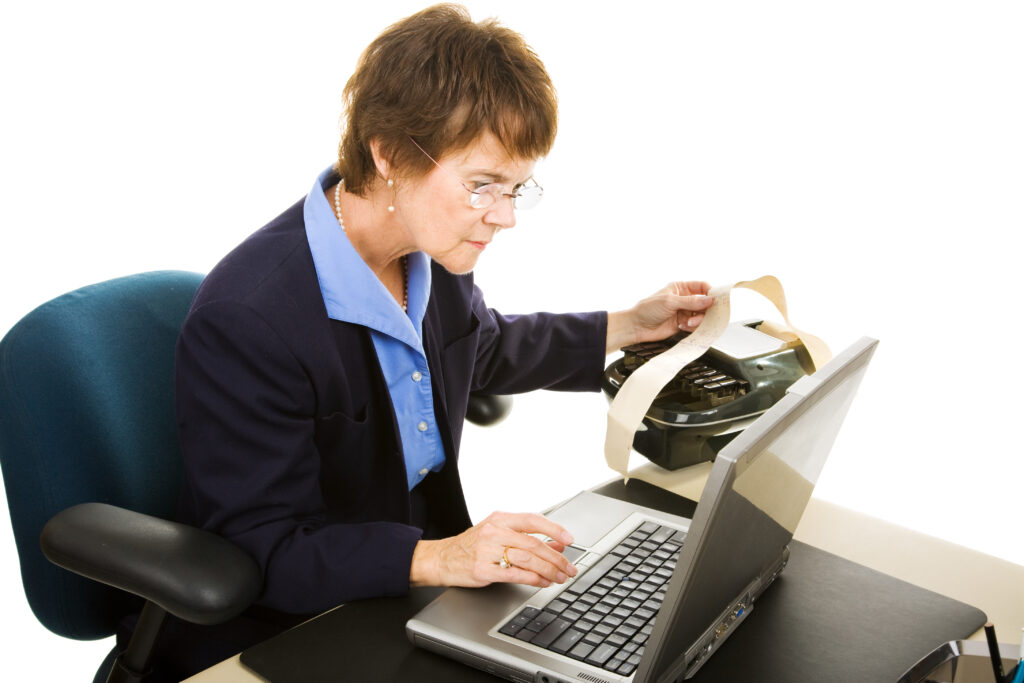
Court reporter typing up the court transcript on her laptop computer. Isolated on white.

Court reporters capture every word during depositions and testimony. They produce certified transcripts you can reference at any stage. Speed and accuracy matter most here. You have to trust the record reflects exactly what the witness said without error.

Record Retrieval

Record retrieval helps you gather medical records, police reports, and business files before depositions or trial. Lawyers spend hours tracking down documents that could support or weaken a witness statement. Outsourcing this work saves time and ensures you have documents ready when you need them.

Legal Translation

Some witnesses speak limited English, and in these cases, certified legal translators can make sure your witness testimony and deposition responses translate correctly. This prevents misunderstandings that could damage the credibility of evidence. Support services relieve administrative burden so you can focus on strategy and argument. Lawyers who delegate these tasks can use their expertise where it matters most: preparing questions, coaching witnesses, and crafting effective arguments.

Act With Confidence and Get Support Today

You deserve reliable support for depositions and testimony preparation. Magna Legal helps lawyers manage court reporting, record retrieval, and legal translation with precision and speed. Our team handles the time‑consuming tasks, so you can focus on winning cases.

Contact Magna Legal before your next deposition or trial. Let us help you gather records and translate testimony so your case runs smoothly. Reach out today to get started. Your clients expect accuracy and clarity; we deliver both.

A legal deposition being recorded on video after preparing for a deposition

How to Prepare for a Deposition: Expert Tips & Checklist

Preparing for a deposition is essential to ensure a smooth and productive session. A deposition gives attorneys the opportunity to ask questions and gather information under oath. This process requires careful planning to avoid any missteps, misunderstandings, or nervous stumbles during testimony. Here’s how to prepare for a deposition with expert tips and a checklist to help.

Understanding What Happens During a Deposition

A deposition typically involves a witness or party to a case giving sworn testimony outside of the courtroom. Attorneys from both sides attend, and a court reporter records everything. Although it might seem less formal than a court appearance, a deposition carries legal weight. Every answer can influence the direction of a case, so preparation matters.

How to Prepare for a Deposition Step by Step

Review Relevant Documents and Facts

An effective way to prepare for a deposition is to gather and study all relevant documents. This includes any contracts, emails, letters, or other records related to the case. Reviewing these materials will help you respond confidently, without second-guessing or hesitating.

  • Key Tip: Stick to the facts. Avoid volunteering information that isn’t directly related to the questions.

Practice Answering Likely Questions

Preparation involves anticipating questions that could come up. The attorney who requested your deposition will likely have questions focused on specific details or events. Practicing your responses with your attorney helps avoid nervous or unclear answers.

  • Be Brief and Clear: Long-winded answers can lead to more follow-up questions. Focus on simple, direct responses. Practice avoiding over-explanation or extra detail unless specifically asked.

Learn How to Handle Difficult Questions

Difficult questions often arise in depositions. Attorneys may ask challenging questions to test your consistency and recall. You don’t have to rush an answer if you’re unsure; it’s better to take a moment to think. Answer only what is asked, and if you don’t know or remember, simply state that honestly. Guessing or assuming details can create inconsistencies in your testimony.

  • Tip for Tough Questions: If you feel uncomfortable, remember you can always pause and consult with your attorney. There’s no need to handle tricky questions alone.

Checklist for How to Prepare for a Deposition

To stay organized, use this checklist to ensure you cover all the essentials. Preparing for a deposition goes beyond just memorizing details—it’s about knowing how to manage the session confidently and professionally.

Day Before the Deposition Checklist

  1. Confirm Details with Your Attorney: Review time, place, and necessary documents.
  2. Final Document Review: Take time to look through your notes and case materials one last time.
  3. Rest Well: A good night’s sleep helps keep you alert and responsive.

Day of the Deposition Checklist

  1. Dress Professionally: Choose a neutral outfit. Dress as if you were appearing in court; avoid casual clothing.
  2. Arrive Early: Plan for any delays and arrive with time to spare. This also gives you a moment to go over any last-minute questions with your attorney.
  3. Keep Documents Ready: If you need to reference documents during the deposition, keep them organized and accessible.

Key Tips to Remember During Your Deposition

Listen Carefully to Each Question

It’s easy to jump in with answers before fully understanding a question. Listening carefully ensures you only respond to what’s actually being asked. This technique also reduces the risk of giving unnecessary information.

  • Expert Tip: If a question isn’t clear, ask the attorney to repeat or rephrase it. Avoid answering questions you don’t fully understand.

Avoid Guessing or Speculating

A deposition isn’t the place to offer assumptions or speculations. If you don’t know or can’t recall specific information, say so. Guessing can create inconsistencies that the opposing attorney may highlight later. If the answer requires checking records or documents, it’s okay to clarify that.

Take Your Time

There’s no rule requiring you to answer immediately. Taking a brief pause to consider the question helps you remain calm and think through your response. Silence doesn’t imply hesitation; it’s a strategy to ensure clarity.

The Importance of a Court Reporter

A court reporter records the entire deposition. Everything you say becomes part of an official transcript, which both parties can review and reference later. It’s essential to speak clearly and avoid speaking over the attorneys or court reporter, as they need to capture everything accurately. A well-prepared witness makes the court reporter’s job easier, which ultimately helps everyone involved.

How to Prepare Emotionally for a Deposition

Depositions can be nerve-wracking, especially for individuals new to legal proceedings. It’s normal to feel some anxiety, but the key to reducing stress is preparation. Practice calming techniques such as deep breathing to stay composed. Consider a short conversation with your attorney about any concerns, as they can offer helpful reassurance.

Tips on What Not to Do During a Deposition

While learning how to prepare for a deposition, it’s just as important to know what to avoid. Here are some common mistakes to watch out for:

  • Do Not Argue or Get Defensive: Stick to facts and avoid letting emotions influence your responses. Attorneys may use pressure tactics, but maintaining composure helps you stay credible.
  • Avoid Oversharing: Only answer what’s asked without adding extra detail. Unnecessary information can open new lines of questioning.
  • Do Not Use Jargon: Avoid using technical or complex language that others may not understand. Keep your answers clear and straightforward.

Final Steps After the Deposition

After your deposition, take a moment to review your answers with your attorney. They may want to discuss certain parts of your testimony or clarify anything that might need correction later. This post-deposition review ensures your preparation aligns with the overall strategy for the case.

Knowing how to prepare for a deposition allows you to walk into the room with confidence, ready to answer every question truthfully and effectively. With this checklist and guidance, you’ll be better equipped to navigate this important part of the legal process. Have more questions about preparing for a deposition? Contact Magna Legal Services today!