
person sitting in front of a lap top for a virtual deposition. you can see 4 people on the laptop screen

How to Prepare Your Witness for a Virtual Deposition

Preparing a witness for a virtual deposition requires more than just sharing a Zoom link. Legal teams need to account for technical setup, psychological readiness, communication skills, and the unique dynamics of presenting testimony on-screen. Here are some tips for preparing your witness for a virtual deposition and ensuring it goes smoothly.

Understanding the Virtual Deposition Environment

A virtual deposition is different from an in-person setting in several key ways. The room setup is digital, eye contact is through a camera, and there are fewer physical cues to guide the conversation. Witnesses can feel isolated, distracted, or unsure of how to present themselves effectively. Without the comfort of being in the same room as their attorney, some witnesses struggle to stay focused or manage their nerves. Screen fatigue and unfamiliar technology only add to the pressure.

Helping The Witness Understand The Tools, Equipment, and Environment

Witness prep should start with a thorough tech check. Make sure your witness uses a device with a reliable webcam and a quality microphone. A hardwired internet connection is best, but a strong Wi-Fi signal works when tested in advance. Position the camera at eye level with a clean, neutral background and soft lighting. Avoid windows behind the witness and check for clutter. Headphones help reduce echo and prevent feedback. A quiet space with the door closed is essential since interruptions can break focus and affect testimony.

Building The Witness’s Confidence

Speaking into a screen can feel unnatural. Many witnesses don’t know where to look or how to carry themselves on video. Others struggle with nerves or overthink their answers. Coaching makes a big difference. Virtual prep should include tips for posture, eye contact, and facial expressions. Show witnesses how to stay present and aware without becoming stiff or robotic.

Practicing with Realistic Scenarios

Rehearsing for a virtual deposition helps witnesses feel prepared and in sync with their legal team. Mock sessions give them the chance to practice answering questions under realistic conditions. They get feedback in real time, so they can adjust their delivery and stay alert for common mistakes. Many witnesses struggle with things like interrupting the attorney, pausing too long, or looking off-screen when thinking. These habits are easy to fix when caught early.

Communication Skills in a Remote Setting

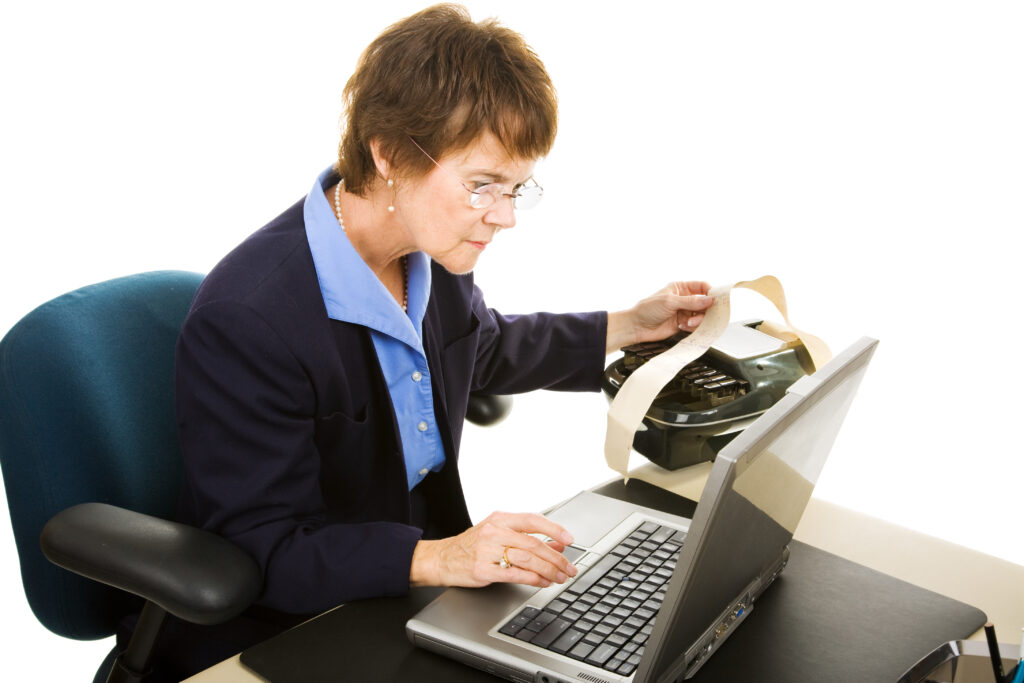
Talking over someone in a virtual deposition can create confusion and disrupt the transcript. Witnesses need to speak clearly and wait a beat before answering each question. This helps the court reporter and prevents missed words.

Body language also matters, but it’s harder to read on camera. Teach witnesses how to be expressive without overdoing it. It is also important to discuss how to recognize tone shifts in the opposing counsel’s voice, even when facial cues are limited. Encourage your witnesses to pause, think, and speak with intention. That keeps testimony clean and avoids giving the other side extra material to challenge.

Introducing and Handling Exhibits Virtually

Witnesses should know how to handle documents that appear on screen. They may be asked to scroll, zoom, or mark sections without fumbling. Practicing with digital exhibits ahead of time helps them stay focused and composed.

Screen sharing adds another layer. Witnesses need to know what others can see and how to interact with shared files. Moderators can help guide the flow of exhibits and ensure the witness understands what’s being shown and where to look to keep the session smooth and prevent technical confusion from derailing testimony.

Offering Day-of Deposition Tips

Before logging in, every witness should go through a final checklist. Test the tech, set the environment, and do a quick confidence reset. Offer last-minute reminders to help the witness stay centered. Having this pre-deposition pep talk will allow the witness to focus on the deposition and not the tech.

Let Magna Help You Win the Room. Even the Virtual One.

Virtual depositions bring new challenges, but they don’t have to create stress. Magna Legal Services helps attorneys prepare witnesses for every aspect of remote testimony—from technical setup and coaching to day-of support. During the deposition, Magna’s moderators and real-time court reporters support the process. Our team handles any tech hiccups, manages exhibits, and helps maintain a professional tone throughout the session. We’ve helped thousands of legal teams handle virtual depositions with confidence, and we’re ready to do the same for you.

To get started, request a free consultation or request a demo of the Virtual Deposition platform. Let Magna make your next virtual deposition a win.

lawyer man in suit gesturing and talking in meeting to prepare witness for deposition

Common Mistakes to Avoid When Preparing a Witness for Deposition

Witness preparation for deposition requires more than just telling them to “tell the truth.” A poorly prepared witness can damage a case, create confusion, or even contradict key facts. Attorneys must take the time to ensure witnesses understand what to expect and how to respond effectively. Many common mistakes can lead to an unsteady or unconvincing testimony. Avoiding these errors can make a significant difference in the outcome of a case.

Talking Too Much During Preparation

Some attorneys overload witnesses with excessive details, case strategy, or legal theories. This overwhelms the witness and increases the risk of over-explaining or second-guessing themselves during testimony. A witness should focus on answering questions directly and accurately. They do not need to understand every aspect of the case, only their role and the facts they know.

Failing to Emphasize the Importance of Listening

A deposition is not a conversation; it is a formal legal process where every word matters. Witnesses who do not listen carefully may answer questions they do not fully understand or provide unnecessary details. They should take their time before responding, making sure they understand each question before answering. If a question is unclear, they should feel comfortable asking for clarification.

Allowing the Witness to Guess or Speculate

Witnesses sometimes feel pressure to provide an answer, even if they are unsure. This can lead to speculation, which opposing counsel may use to challenge credibility. A well-prepared witness understands they should only testify to what they know. If they do not remember something or do not know the answer, they should say so rather than guessing.

Neglecting to Address Body Language and Tone

Words are only part of the testimony. A witness’s body language, facial expressions, and tone of voice can influence how their statements are perceived. Nervous habits, defensive postures, or excessive hand movements can make a witness seem unreliable or uncertain. Preparation should include feedback on nonverbal communication to ensure the witness appears calm, confident, and credible.

Not Practicing Under Deposition Conditions

Depositions are stressful, especially for those who have never given sworn testimony before. Witnesses should experience a practice session that mimics the real deposition as closely as possible. This includes sitting across from an attorney who asks challenging questions in a formal setting. Practicing under these conditions helps the witness feel more prepared and reduces the chance of being caught off guard.

Ignoring the Dangers of Absolute Statements

Words like “always” and “never” can create problems in testimony. If opposing counsel finds one exception to an absolute statement, they may use it to discredit the witness. Training the witness to use accurate but flexible language can prevent this issue. Phrases like “to the best of my knowledge” or “as far as I recall” leave less room for contradiction.

Overlooking the Importance of Staying Neutral

Some witnesses feel the need to defend their side of the case, which can lead to argumentative responses or exaggerated statements. Others may become overly cooperative with opposing counsel, giving away more information than necessary. A witness should remain neutral, stick to the facts, and avoid taking an advocacy role.

Forgetting to Prepare for Trick Questions

Opposing attorneys may ask leading or confusing questions to catch the witness off guard. Without preparation, a witness may unknowingly agree to something that misrepresents the facts. Preparing a witness for deposition should include reviewing tactics opposing counsel might use, such as questions that assume facts not in evidence or those designed to create inconsistencies.

Skipping a Review of Key Documents

If a witness is testifying about records, contracts, or other documents, they should review them in advance. Witnesses who are unfamiliar with key details may appear unreliable or unprepared. However, reviewing documents does not mean memorizing them. A witness should answer based on what is in the records, not what they assume or recall.

Not Explaining the Role of Objections

Witnesses sometimes become flustered when they hear an objection. They may assume they did something wrong or change their answer unnecessarily. Explaining the different types of objections and how to handle them can prevent a witness from reacting in a way that undermines their testimony.

Get the Best Results with Expert Witness Preparation

A well-prepared witness can strongly influence a jury’s decision making. Without proper guidance, even the most truthful witness can stumble under pressure. Magna Legal Services provides expert witness preparation consultants to ensure clear, confident, and effective testimony. Contact us today to set up a strategic preparation session that will help your witness succeed in deposition.

A legal deposition being recorded on video after preparing for a deposition

How to Prepare for a Deposition: Expert Tips & Checklist

Preparing for a deposition is essential to ensure a smooth and productive session. A deposition gives attorneys the opportunity to ask questions and gather information under oath. This process requires careful planning to avoid any missteps, misunderstandings, or nervous stumbles during testimony. Here’s how to prepare for a deposition with expert tips and a checklist to help.

Understanding What Happens During a Deposition

A deposition typically involves a witness or party to a case giving sworn testimony outside of the courtroom. Attorneys from both sides attend, and a court reporter records everything. Although it might seem less formal than a court appearance, a deposition carries legal weight. Every answer can influence the direction of a case, so preparation matters.

How to Prepare for a Deposition Step by Step

Review Relevant Documents and Facts

An effective way to prepare for a deposition is to gather and study all relevant documents. This includes any contracts, emails, letters, or other records related to the case. Reviewing these materials will help you respond confidently, without second-guessing or hesitating.

  • Key Tip: Stick to the facts. Avoid volunteering information that isn’t directly related to the questions.

Practice Answering Likely Questions

Preparation involves anticipating questions that could come up. The attorney who requested your deposition will likely have questions focused on specific details or events. Practicing your responses with your attorney helps avoid nervous or unclear answers.

  • Be Brief and Clear: Long-winded answers can lead to more follow-up questions. Focus on simple, direct responses. Practice avoiding over-explanation or extra detail unless specifically asked.

Learn How to Handle Difficult Questions

Difficult questions often arise in depositions. Attorneys may ask challenging questions to test your consistency and recall. You don’t have to rush an answer if you’re unsure; it’s better to take a moment to think. Answer only what is asked, and if you don’t know or remember, simply state that honestly. Guessing or assuming details can create inconsistencies in your testimony.

  • Tip for Tough Questions: If you feel uncomfortable, remember you can always pause and consult with your attorney. There’s no need to handle tricky questions alone.

Checklist for How to Prepare for a Deposition

To stay organized, use this checklist to ensure you cover all the essentials. Preparing for a deposition goes beyond just memorizing details—it’s about knowing how to manage the session confidently and professionally.

Day Before the Deposition Checklist

  1. Confirm Details with Your Attorney: Review time, place, and necessary documents.
  2. Final Document Review: Take time to look through your notes and case materials one last time.
  3. Rest Well: A good night’s sleep helps keep you alert and responsive.

Day of the Deposition Checklist

  1. Dress Professionally: Choose a neutral outfit. Dress as if you were appearing in court; avoid casual clothing.
  2. Arrive Early: Plan for any delays and arrive with time to spare. This also gives you a moment to go over any last-minute questions with your attorney.
  3. Keep Documents Ready: If you need to reference documents during the deposition, keep them organized and accessible.

Key Tips to Remember During Your Deposition

Listen Carefully to Each Question

It’s easy to jump in with answers before fully understanding a question. Listening carefully ensures you only respond to what’s actually being asked. This technique also reduces the risk of giving unnecessary information.

  • Expert Tip: If a question isn’t clear, ask the attorney to repeat or rephrase it. Avoid answering questions you don’t fully understand.

Avoid Guessing or Speculating

A deposition isn’t the place to offer assumptions or speculations. If you don’t know or can’t recall specific information, say so. Guessing can create inconsistencies that the opposing attorney may highlight later. If the answer requires checking records or documents, it’s okay to clarify that.

Take Your Time

There’s no rule requiring you to answer immediately. Taking a brief pause to consider the question helps you remain calm and think through your response. Silence doesn’t imply hesitation; it’s a strategy to ensure clarity.

The Importance of a Court Reporter

A court reporter records the entire deposition. Everything you say becomes part of an official transcript, which both parties can review and reference later. It’s essential to speak clearly and avoid speaking over the attorneys or court reporter, as they need to capture everything accurately. A well-prepared witness makes the court reporter’s job easier, which ultimately helps everyone involved.

How to Prepare Emotionally for a Deposition

Depositions can be nerve-wracking, especially for individuals new to legal proceedings. It’s normal to feel some anxiety, but the key to reducing stress is preparation. Practice calming techniques such as deep breathing to stay composed. Consider a short conversation with your attorney about any concerns, as they can offer helpful reassurance.

Tips on What Not to Do During a Deposition

While learning how to prepare for a deposition, it’s just as important to know what to avoid. Here are some common mistakes to watch out for:

  • Do Not Argue or Get Defensive: Stick to facts and avoid letting emotions influence your responses. Attorneys may use pressure tactics, but maintaining composure helps you stay credible.
  • Avoid Oversharing: Only answer what’s asked without adding extra detail. Unnecessary information can open new lines of questioning.
  • Do Not Use Jargon: Avoid using technical or complex language that others may not understand. Keep your answers clear and straightforward.

Final Steps After the Deposition

After your deposition, take a moment to review your answers with your attorney. They may want to discuss certain parts of your testimony or clarify anything that might need correction later. This post-deposition review ensures your preparation aligns with the overall strategy for the case.

Knowing how to prepare for a deposition allows you to walk into the room with confidence, ready to answer every question truthfully and effectively. With this checklist and guidance, you’ll be better equipped to navigate this important part of the legal process. Have more questions about preparing for a deposition? Contact Magna Legal Services today!