
close up of three females holding phones in their hands posting on social media

Social Media Investigations: What Can Be Used in Court?

Social media platforms are a goldmine of information. For legal professionals, social media background checks provide valuable insights into a person’s behavior, character, and even their involvement in criminal activities. When it comes to legal cases, these platforms can play a significant role in gathering evidence. But what exactly can be used in court? Let’s explore how social media investigations can impact legal cases and what you need to know.

The Power of Social Media Evidence

Social media sites like Facebook, Instagram, X (Twitter), and LinkedIn have become platforms where people share personal thoughts, activities, and opinions. This shared content can hold substantial weight when used in legal cases. From images and videos to text posts and interactions, all of it can become a part of a social media background check.

One of the most common uses of social media in criminal cases involves tracking the activities of suspects or witnesses. Posts, photos, or comments may provide crucial details about a person’s actions or state of mind leading up to an incident. Investigators use this information to establish timelines or confirm testimonies. Even private messages or deleted posts can be recovered through thorough investigations.

How Social Media Background Checks Are Used in Court

Legal teams often turn to social media background checks to find digital evidence that might help support their case. Here are the main ways social media information is used in court.

Verifying Alibis

A critical aspect of any criminal case is the verification of alibis. Social media can be a valuable tool for confirming or disproving claims. For example, if a suspect claims to be elsewhere during a crime, a post made on Facebook or a check-in on X could provide the proof needed to confirm or challenge the alibi.

Proving Motive or Intent

Prosecutors and defense attorneys often rely on social media investigations to understand the motive behind a crime. If someone posts threatening messages or shares hostile content toward a victim, this can suggest intent. In civil cases, social media activity can help uncover disputes, financial difficulties, or other reasons that might explain someone’s actions or decisions.

Gathering Witness Testimonies and Statements

Witnesses can also be influenced by social media activity. A comment or post they made about the incident could support or contradict their testimony in court.

Legal Considerations When Using Social Media Evidence

While social media background checks offer powerful evidence, there are important legal considerations to keep in mind. Courts require that digital evidence is obtained and presented following strict legal guidelines. Here are some points to remember:

Admissibility of Social Media Evidence

Not all social media evidence is automatically admissible in court. Courts evaluate the relevance and authenticity of the evidence before allowing it in a trial. The party presenting social media evidence must prove that it is what it claims to be and that it has not been altered or tampered with.

Privacy Issues

Social media users often assume a degree of privacy when posting content. However, the line between private and public content can be blurry. Investigators need to be careful not to violate privacy rights when collecting evidence. Private accounts may require legal consent or a court order to access, depending on the circumstances.

How Social Media Investigations Are Conducted

Social media background checks are typically carried out by private investigators or legal professionals trained to navigate social media platforms. They search for relevant information, assess the credibility of posts, and ensure that the evidence collected can withstand legal scrutiny in court.

Tools and Methods Used

Investigators use specialized tools to search for and recover social media content. These tools can track posts across multiple platforms, identify connections between individuals, and even recover deleted content. Some software can even map out social networks, showing how individuals are connected to others involved in a case.

Recovering Deleted Content

One of the biggest challenges in social media investigations is dealing with deleted content. However, many times, deleted posts, photos, or videos can be recovered using advanced techniques. This is why it’s important to hire professionals with experience in digital forensics to ensure no vital evidence is missed.

Stay Ahead of the Curve with Social Media Investigations

Whether you need to gather evidence for a criminal case or confirm details in a civil matter, partnering with a trusted team of professionals ensures that the social media data used in your case is both reliable and legally sound.

Don’t leave anything to chance – contact Magna Legal today to learn how we can help you navigate the world of social media investigations and gather the evidence you need to succeed.


How Surveillance and Background Checks Work Together in Investigations

Private investigators, attorneys, and legal teams rely on accurate, detailed information. They need to know where someone has been, what they’ve done, and who they’ve been involved with. One method rarely gives the full picture. But when you combine surveillance with background checks, you get a clearer look at someone’s actions and credibility.

Surveillance tracks current behavior. Background checks dig into past records. When used together, they give legal teams reliable, court-ready facts. This combination helps attorneys build strong arguments, spot red flags, and decide who to trust during litigation.

What Surveillance Really Shows

Surveillance is the direct observation of a person, place, or activity. Investigators use it to confirm or disprove claims, verify someone’s daily routine, or gather evidence for legal proceedings. Surveillance helps uncover behaviors that aren’t visible in written reports.

Physical Surveillance

Private Detective Taking Photos Of Man And Woman On Street

This is the most traditional form. Investigators follow a subject in real time. They document activities through photos, video, or written reports. This method is especially useful in personal injury cases, custody disputes, or workers’ comp investigations. If someone claims they’re too injured to work but gets caught carrying heavy boxes, that footage becomes key evidence.

Digital Surveillance

People share a lot about themselves online. Social media surveillance pulls from platforms like Facebook, Instagram, TikTok, and LinkedIn. It can show location tags, photos, group affiliations, or inconsistencies with someone’s public statements. For example, someone denying a relationship with a key witness might appear with that person in recent Instagram posts.

GPS Tracking (with proper legal approval)

In some cases, a court may allow GPS tracking. This shows where someone has been, how long they stayed, and how often they return to certain places. When matched with claims made during testimony or depositions, GPS records can support or challenge a story.

What Do Background Checks Show?

Background checks pull together public records, professional history, and past behavior. They don’t show intent or attitude, but they reveal patterns and red flags that can shape a case strategy.

Criminal History

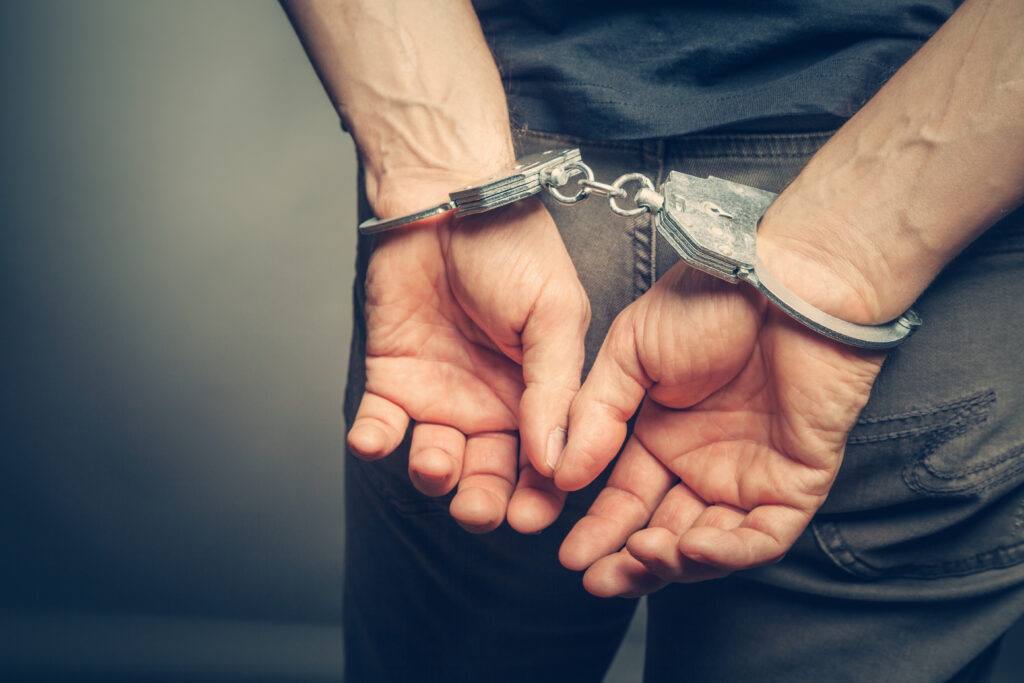
male hands in handcuffs

Attorneys want to know if someone has a criminal past. Background checks may show arrests, charges, convictions, or probation history. A person’s past legal issues can affect their credibility on the stand or expose motive.

Employment and Education Records

A thorough background check can verify where someone has worked or gone to school. This helps confirm qualifications, timelines, and claims made in affidavits or resumes. If someone says they’ve held a job they never actually had, that lie raises questions about other parts of their story.

Civil Court Records

What do background checks show beyond criminal cases? They also highlight civil lawsuits. These can include business disputes, restraining orders, small claims judgments, or divorce records. A pattern of lawsuits or restraining orders can signal that a person is regularly involved in legal trouble.

Financial Red Flags

Bankruptcies, liens, and foreclosures show up in a background check. These details can suggest financial pressure or desperation, which may be relevant in fraud cases, custody hearings, or business litigation. Knowing whether someone is financially stable or struggling can influence settlement decisions.

Licenses and Certifications

Many professions require licenses such as medical, legal, real estate, or financial. A background check confirms whether someone holds a license and whether it’s active, suspended, or revoked. That matters in malpractice cases, professional negligence, or when verifying expert witnesses.

Why Investigators Use Both

Surveillance gives a current snapshot. Background checks show the history. Together, they fill in the blanks.

Let’s say an employee files a workers’ comp claim. Surveillance shows them jogging daily. The background check shows they’ve filed similar claims at two previous jobs. Now there’s a pattern. Without both methods, that pattern may never come to light.

Or take a family court case. A parent claims to be stable and present. Surveillance shows long absences. Background checks reveal multiple arrests for DUIs. Each source backs up the other, giving attorneys stronger ground to argue custody or visitation terms.

Timing Matters in Investigations

A common mistake is waiting too long to request investigative support. Attorneys often bring in help after discovery, or when trial prep begins. By then, some opportunities are gone. Surveillance works best when it starts early. Background checks take time to run, especially if someone has lived in multiple states. Starting both at the same time allows investigators to follow leads as they appear.

For example, a background check might show a subject recently moved. Surveillance at the old address would miss them entirely. But with updated info, investigators can quickly pivot and keep the work productive.

Legal and Ethical Boundaries

Investigators must follow the law during every part of their work. They can’t trespass, record conversations without consent in certain states, or track someone’s location without permission from a court. Background checks must also comply with federal rules, like the Fair Credit Reporting Act (FCRA), especially if used in employment-related cases.

Reputable firms follow strict procedures to protect client interests and prevent evidence from getting tossed in court. Good surveillance and strong background checks follow all legal requirements, so the findings hold up under scrutiny.

A Stronger Strategy With Verified Facts

Attorneys often face pressure to act fast. Deadlines come quickly, and facts can be hard to verify. That’s why it helps to work with investigators who know how to pair modern surveillance with accurate background checks. What do background checks show? The truth about someone’s past. What does surveillance reveal? Their current behavior. Together, they confirm or challenge the story being told.

Let Magna Legal Help You Get the Full Picture

No attorney wants to walk into court with half the facts. At Magna Legal Services, we help you get all the details, not just what’s in the file, but what’s happening right now. Work with expert investigators who combine surveillance with detailed background checks to give you reliable, court-ready evidence. Let us help you build your case with confidence. Contact Magna Legal today to get started.