
By Anne Smith, MSc, Strategic Director of Graphics Consulting, Magna Legal Services
We are wired for connection. Our brains are built to interpret, share, and emotionally engage with experiences. It is how we connect the dots. Graphics accelerate that process turning those stories into instantly graspable, and resonant, moments solidifying ideas. A trial is not won by facts alone but by those who help jurors understand the facts, and that happens through story, supported by graphics.
Our Brains Prefer Stories
A case is a maze of dates, documents, testimony, and technical standards. A story turns that maze into a map. Without a compelling narrative, people connect their own dots, drawing from biases that may not favor your arguments.
Cognitive science teaches us:
- Representations help us quickly sort facts into familiar templates (e.g., labeling like “cut corners,” “ignored warnings” or using familiar symbols).
- Episodic memory is stronger when information is presented in sequence (e.g., timelines, or illustrating procedural steps in a process).
- Emotional tagging makes key moments more retrievable and more likely to shape judgment (e.g., testimony, document excerpts, videos).
Story structure with the use of visuals organizes content. It wires it into our brains.
Graphics Are Like Cognitive “Express Elevators”
While stories provide a framework, graphics provide speed and clarity. Our brains process images faster than text, and when you pair the two, comprehension skyrockets. Think of visuals as “express elevators” that carry jurors from raw data to actionable insight.
High-impact visuals include:
- Timelines – Clarify sequence, delay, and notice.
- Process flows – Reveal skipped steps or systemic breakdowns.
- Medical overlays – Bridge anatomy, pain narratives, and causation.
- Element grids – Show missing legal requirements with clarity.
- Charts and heatmaps – Show patterns and anomalies quickly.
Used early in case development, these aren’t just presentation tools—they’re strategic thinking tools.
A Lesson from History: The Challenger Disaster
When the Challenger space shuttle exploded in 1986, the underlying cause was known in advance: O-ring seals became brittle in cold temperatures. Engineers had data of the risk, but that risk was trapped in technical jargon and spreadsheets that failed to make the danger felt.
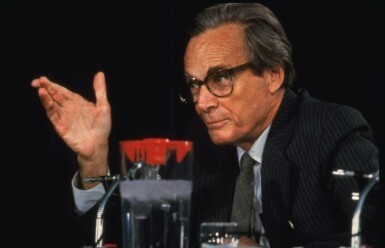
It wasn’t until physicist Richard Feynman dipped an O-ring into ice water during a live hearing that the point landed. That single act, a visual, tactile moment, did what volumes of data and memos couldn’t. It turned complexity into clarity and data into story. That’s exactly what powerful visuals do: they shift understanding from the abstract to the undeniable.
So, When Is the Best Time to Develop Your Visual Strategy? Now.
Visuals should not be an afterthought, and they do not begin with PowerPoint presentations. Start integrating them during case intake. Ask: What’s the story? What’s the conflict? What’s the one-screen version of this case? What’s the one thing you want the jury to walk away remembering? Use early sketches to identify what data is missing, where expert testimony may clash, and what framing will resonate with jurors.
One phased approach might look like this:
- Early assessment: Draft a visual story spine.
- Discovery: Begin timelines and issue grids.
- Expert collaboration: Co-create diagrams with technical witnesses.
- Mock testing: Working with your jury and graphic consultants to test different story and graphic combinations.
- Mediation and trial: Finalize persuasive, modular presentations that are aligned to your themes and arguments.
Conclusion
Story and visuals don’t just make things easier; they make them possible. You are guiding your jurors from evidence to understanding, from facts to proper weight, and ultimately, call to action in your favor.
Ready to level up your next case? Click on the buttons below to dive in!